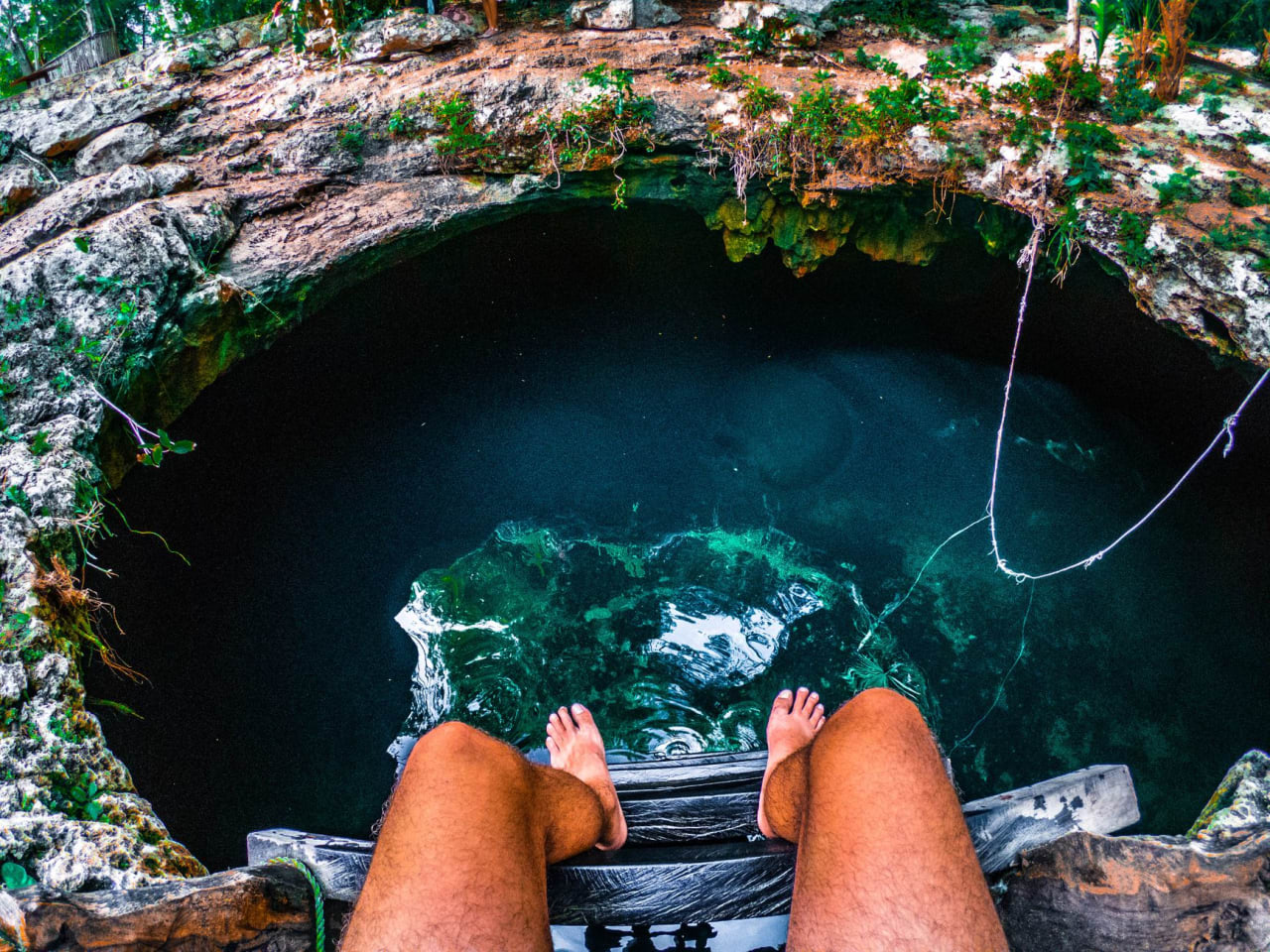
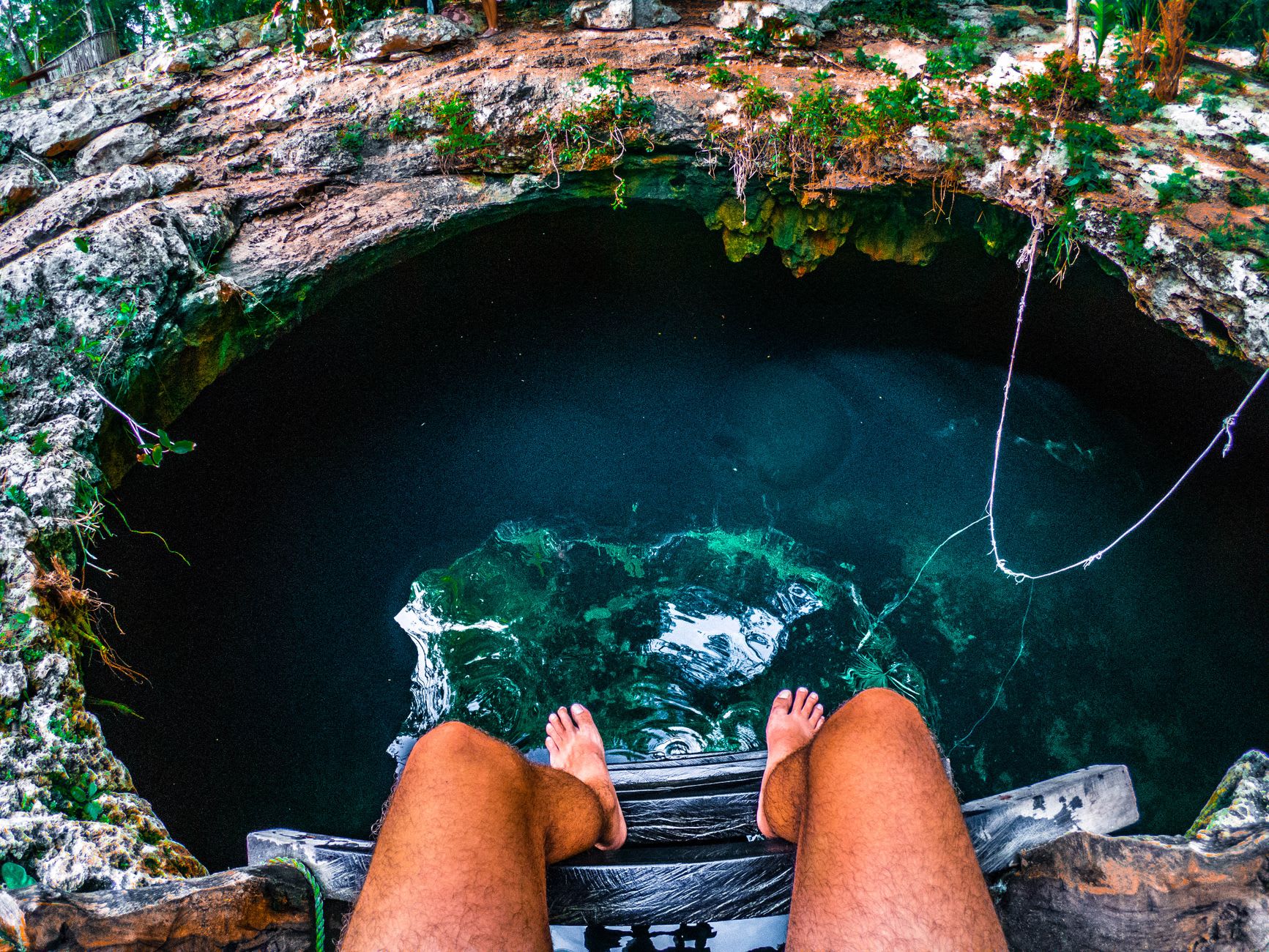
Best Lagoons Near Tulum: Nature Escapes You Can’t Miss
Tulum is celebrated for its turquoise Caribbean waters and ancient Mayan cliff-top ruins, but just beyond the coastline lies another world entirely—a network of pristine lagoons, mangrove forests, freshwater cenotes, and coastal wetlands teeming with life. These tranquil ecosystems offer some of the most breathtaking nature experiences on the Yucatan Peninsula, from the UNESCO-protected Sian Ka’an biosphere reserve to crystal-clear sinkholes that drop into underground river systems. Whether you’re kayaking through silent mangrove channels at dawn or snorkelling in the electric-blue waters of a cenote, the lagoons and water escapes near Tulum provide unforgettable encounters with nature’s raw beauty.

Sian Ka’an Biosphere Reserve: Tulum’s Wildest Lagoon Landscape
Just 15 kilometers south of Tulum’s hotel zone, the Sian Ka’an Biosphere Reserve is the crown jewel of the Caribbean coast’s natural world. Designated a UNESCO World Heritage Site, this vast protected area covers over 528,000 hectares of tropical forests, mangroves, marshes, and Caribbean lagoons—making it the largest protected area in Mexico’s Yucatan Peninsula.
The reserve’s lagoon system is a labyrinth of brackish and saltwater channels fed by both underground freshwater springs and tidal flows from the Caribbean Sea. Red, white, and black mangroves line the water’s edge, their intricate root systems serving as nurseries for snook, tarpon, and bonefish. Deeper channels shelter American crocodiles, some exceeding three meters in length, while shallower flats attract wading birds in extraordinary numbers: roseate spoonbills, great blue herons, snowy egrets, and flocks of frigate birds riding the thermals overhead.
Floating the Mayan Canals
One of the most magical experiences Sian Ka’an offers is drifting through the ancient Mayan canals that crisscross the reserve. These stone-lined channels, hand-carved by the Maya centuries ago, connect a series of lagoons and were once vital trade routes. Today, visitors float effortlessly on the current—no paddling required—carried gently through tunnels of mangrove and open lagoon flats while guides point out wildlife along the banks.
Our Tulum team has done this tour more times than we can count, and it never gets old. The silence, the birds, the ancient engineering beneath your feet—it is the kind of experience that resets your sense of scale. We recommend early morning departures (before 8 a.m.) for the best wildlife sightings and softest light.
Birdwatching in Sian Ka’an
With over 330 bird species recorded within the reserve, Sian Ka’an is one of the premier birdwatching destinations in all of Mexico. The lagoon edges attract wood storks, tricolored herons, and ospreys, while the interior forests shelter toucans, parrots, and the elusive ocellated turkey. Serious birders should bring binoculars and plan an overnight stay at one of the reserve’s eco-lodges to access dawn chorus hours when activity peaks.
Casa Cenote: Where the Lagoon Meets the Sea
Casa Cenote—also known as Cenote Manatee—is one of Tulum’s most unique aquatic experiences, sitting just 500 meters from the Caribbean beach near the village of Tankah. Unlike the inland cenotes hidden beneath the jungle canopy, Casa Cenote is an open-sky sinkholes system that connects directly to the sea via an underground river, creating a remarkable mix of fresh and saltwater.
Snorkellers can follow the channels through mangrove roots into the open Caribbean, spotting needlefish, tarpon, barracuda, and occasionally manatees moving between the lagoon and the reef just offshore. The water temperature stays comfortably warm year-round, and the visibility in the freshwater sections can exceed 30 meters on calm days. Kayak rentals are available on-site, and the surrounding mangrove forest is excellent for quiet paddling in the early morning.
Snorkelling Tips for Casa Cenote
The lagoon system here rewards patient snorkellers who move slowly and avoid stirring up the sediment. Arrive before 9 a.m. to beat the tour groups and enjoy the stillest water. A light wetsuit or rash guard is recommended—not for temperature, but to protect against the occasional jellyfish that drift in from the Caribbean side. Guides can point you toward the underground cave passages, though these require proper dive certification to explore safely.
Gran Cenote: Tulum’s Most Famous Freshwater Lagoon
No list of Tulum’s water escapes would be complete without Gran Cenote, located just 3 kilometers west of Tulum Pueblo on the road toward Cobá. This open-sky sinkhole is one of the most photographed spots in the entire Riviera Maya, and for good reason: its shallow turquoise basin opens into cathedral-like cave chambers draped in stalactites and stalagmites, with shafts of sunlight piercing the water from natural skylights above.
Gran Cenote sits at the head of a vast underground river network that flows eastward beneath the jungle and eventually connects to the Caribbean. Snorkellers glide above the sandy white bottom, watching freshwater turtles navigate between the roots and the light. Certified divers can enter the cave systems through guided tours that explore passages stretching for kilometers underground—part of what researchers believe is the longest underwater cave system in the world.
When to Visit Gran Cenote
Gran Cenote opens at 8 a.m. and the first two hours are the least crowded. By mid-morning the tour buses begin arriving and the lagoon fills quickly. We recommend arriving right at opening, spending an hour in the water, and then heading to one of the nearby smaller cenotes—like Cenote Cristal or Cenote Escondido—for a quieter second swim. Lockers, restrooms, and snorkel gear rental are all available on-site.
Dos Ojos Cenote System: Twin Lagoons, One Underground World
Dos Ojos—Spanish for “two eyes”—takes its name from the two large open-sky sinkholes that serve as entry points into one of the most spectacular cave-diving systems on Earth. Located 25 kilometers north of Tulum near the town of Akumal, Dos Ojos connects to over 80 kilometers of mapped underwater passages, making it a bucket-list destination for cave divers from around the world.
For non-divers, the open lagoon sections are equally remarkable. The Barbie Line—the most famous snorkel route through the cave—leads visitors through hauntingly beautiful stalactite chambers where the water is so clear it appears almost invisible. The sensation of floating through an ancient limestone cathedral, dozens of meters underground, with only the sound of your own breathing, is something that stays with you long after you leave the Yucatan.
Jardín del Edén: The Garden of Eden Cenote
A short drive south of Dos Ojos lies Jardín del Edén, a large open-sky cenote surrounded by jungle that lives up to its extravagant name. The turquoise waters here are among the clearest we have encountered anywhere in the Riviera Maya, fed by a freshwater spring that maintains visibility of over 40 meters. A natural rock platform allows for jumping into the deep blue center, and the surrounding trees attract howler monkeys and colorful birds in the early morning hours.
Travelers tell us that Jardín del Edén feels less commercial than some of the more famous cenotes, and the larger surface area means you can find a quiet corner even on busy weekends. It is particularly popular with snorkellers because the open-sky design means no headlamp or torch is needed.
Cenote Azul: The Blue Lagoon of the Riviera Maya
Located on the highway between Tulum and Playa del Carmen, Cenote Azul is one of the largest open-sky cenotes in the region and a favorite with families for its shallow entry zones and gently sloping banks. The name says it all—the water is an impossibly deep shade of cobalt blue, the result of the great depth at the cenote’s center (over 90 meters in some sections) and the purity of the freshwater filtering up from below.
Unlike the enclosed cave cenotes, Cenote Azul feels more like a natural lagoon, ringed by tropical vegetation and open to the sky. Local families from Playa del Carmen use it as a weekend swimming hole, and the relaxed, unpretentious atmosphere is a welcome contrast to the more curated tourist experiences. A small restaurant on-site serves fresh fish tacos and cold drinks—perfect after a long swim.
Sian Ka’an’s Boca Paila Lagoon: Fly-Fishing and Flamingos
Deep inside the Sian Ka’an reserve, the Boca Paila lagoon system stretches for kilometers along the coast, separated from the Caribbean by a narrow strip of land. This remote lagoon is world-renowned among fly-fishers for its populations of permit, bonefish, and tarpon—the so-called “grand slam” of tropical flats fishing. Even if you have never held a fly rod, watching a local guide stalk a permit across a shallow flat is mesmerizing.
Boca Paila is also one of the best places near Tulum to spot flamingos, particularly in the dry season (November through April) when flocks gather in the shallow lagoon edges to feed on brine shrimp. Crocodiles are a regular presence along the banks, and dolphins are frequently spotted in the channels that connect the lagoon to the open sea. Access requires either a guided tour or a 4x4 vehicle; the road south from Tulum’s hotel zone deteriorates significantly past the Sian Ka’an entrance gate.
Practical Tips for Visiting Tulum’s Lagoons and Cenotes
- Best time to visit: November through April offers the clearest water, lowest humidity, and best wildlife sightings. The cenotes are accessible year-round, but heavy summer rains can temporarily reduce visibility in some systems.
- What to bring: Biodegradable sunscreen only—chemical sunscreen is banned in all cenotes and marine reserves. Reef-safe products are sold throughout Tulum Pueblo. Bring water shoes for rocky cenote entries.
- Getting there: Rent a bicycle or scooter to reach Gran Cenote (3 km from town). For Sian Ka’an, join a guided tour from Tulum’s Zona Hotelera—access via the reserve’s main gate at Boca Paila Road. For Dos Ojos and Cenote Azul, a rental car or colectivo (shared van) along Highway 307 is the easiest option.
- Guided vs. independent: For Sian Ka’an, we strongly recommend a certified guide—the lagoon system is vast and disorienting, and guides provide essential ecological context. For the open cenotes (Gran Cenote, Cenote Azul, Jardín del Edén), independent visits are straightforward.
- Cave diving: Only enter underwater cave passages with a certified cave or cavern dive instructor. These systems are extraordinarily beautiful and equally unforgiving. No exceptions.
Which Nature Escape Suits You?
If you want the full wild-lagoon experience with mangroves, crocodiles, ancient canals, and birds, Sian Ka’an is your destination—plan at least a half day and book a reputable tour. If you prefer a self-guided cenote day, combine Gran Cenote (early morning), Dos Ojos (late morning), and Jardín del Edén (midday) for a perfect circuit. Families with young children tend to love Cenote Azul for its shallow entry and calm atmosphere, while adventurous snorkellers should not miss Casa Cenote for its connection to the open Caribbean.
Whatever your pace, the lagoons and cenotes near Tulum offer a side of the Yucatan Peninsula that is completely different from the beach clubs and jungle cocktail bars—ancient, alive, and quietly overwhelming in the best possible way. Our Tulum team is always happy to help you build the perfect nature itinerary. Browse our Tulum nature tours here and let us take care of the logistics.
auto_awesome Continue exploring Tulum
You Might Also Like
 article Adventures calendar_today Nov 27, 2023
 Understanding the Life Cycle of Sea Turtles in Tulum
Having spent many summers peering into crystal-clear turquoise waters, I’ve had the privilege of witnessing a marine wor
 article Adventures calendar_today Mar 30, 2026
 Tulum Beyond the Beach: Cenotes, Wildlife & Flavors of the Riviera Maya (2026)
Tulum doesn't begin or end at the hotel strip. This guide covers what the beach doesn't show: ancient Mayan ruins on cli
 article Adventures calendar_today Mar 29, 2024
 Exploring the Pristine Mangroves – A Kayaking How-To Guide in Tulum
This kayaking how-to guide takes you through the pristine mangroves of Tulum — from Casa Cenote's turquoise channels to