Best Viewpoints in Tulum: Scenic Lookouts You Can’t Miss
Tulum isn’t just a beach destination — it’s one of the most visually spectacular places on Mexico’s Caribbean coast. Ancient Mayan ruins crown sea-facing cliffs, turquoise cenotes glow through jungle canopy, and the Sian Ka’an biosphere stretches endlessly at the horizon. Whether you’re chasing the perfect sunrise photo or just want to breathe in a panorama that stops you mid-sentence, these are the best viewpoints in Tulum that every traveler should seek out.

Why Tulum Is a Viewpoint Lover’s Paradise
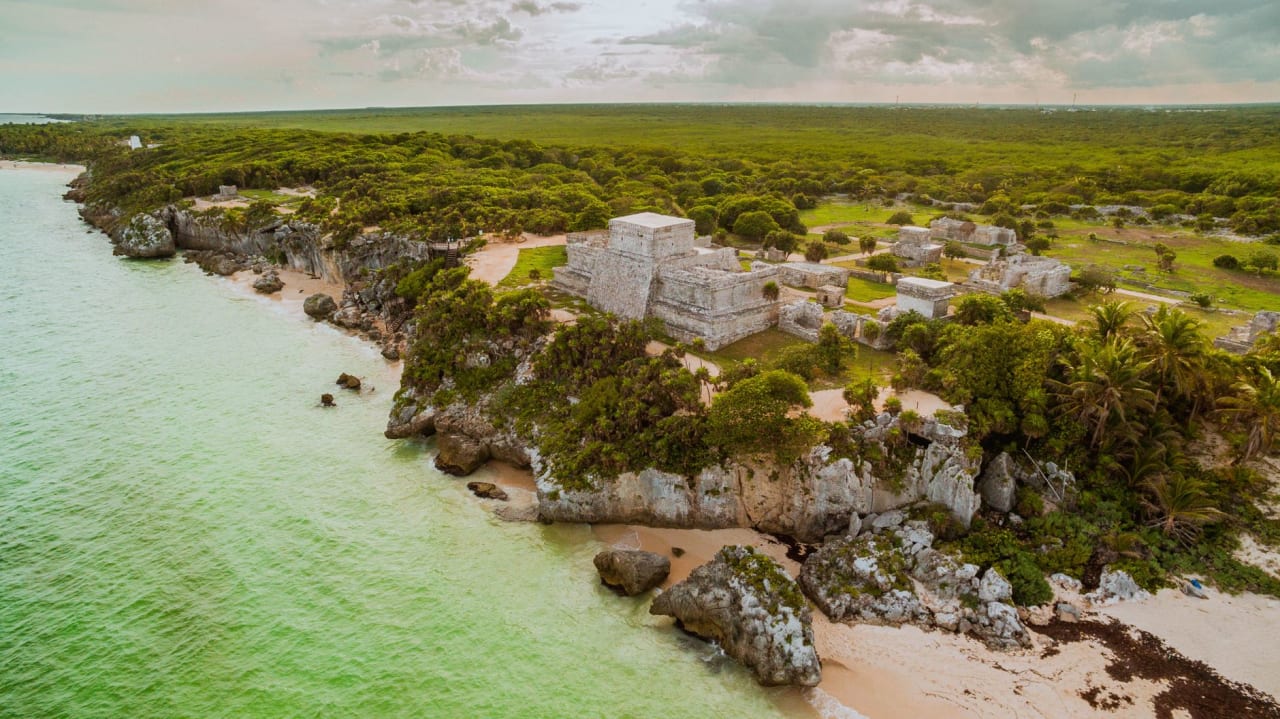
The geography of Tulum is genuinely extraordinary. Unlike most Caribbean beach towns that sit flat at sea level, Tulum’s ancient city was built on a natural limestone bluff rising directly above the Caribbean Sea — a dramatic perch that the Maya chose deliberately. This clifftop position means that a short walk to the ruins rewards you with sweeping views of turquoise water, white sand beaches, and an unbroken horizon stretching toward Cuba. Away from the coast, the flat jungle hides a hidden world of cenotes — freshwater sinkholes open to the sky — that offer their own extraordinary visual experiences. Then south of town, the Sian Ka’an UNESCO biosphere reserve adds vast lagoon systems and mangrove channels to the view roster.
Add in the warm, crystalline quality of Caribbean light — especially at sunrise when the sea glows shades of pink and gold — and you have conditions that photographers dream about. Here’s where to find the best of it.
The Top Scenic Lookouts in Tulum
1. The Cliff Above the Tulum Ruins (Zona Arqueológica)
This is the undisputed signature viewpoint of Tulum and one of the most dramatic in all of Mexico. The Tulum Ruins — a compact Mayan city dating to around 1200–1450 AD — sit directly on a limestone cliff above the Caribbean Sea. From the clifftop, you look out over a postcard-perfect scene: the turquoise water below, Playa Ruinas stretching south, and the ancient stone walls of El Castillo framed against a sea that seems almost impossibly blue. Sunrise is the most magical time, when the eastern-facing cliffs catch the very first light of the day. Our team recommends arriving right when the site opens (8am) to beat the crowds and get the soft morning light. Note: an admission fee applies and the site is managed by INAH.
2. Playa Paraíso Lookout Point
Just south of the ruins, Playa Paraíso is consistently ranked among the most beautiful beaches in Mexico — and for good reason. Where the access road meets the beach, a slight natural rise gives you a sweeping view north toward the ruins perched on their cliff, and south along a long arc of white sand backed by swaying palm trees. This vantage point captures the full drama of Tulum’s coastline in a single frame: ruins, jungle, turquoise Caribbean Sea, and pristine beach all together. Early morning and late afternoon light are both spectacular here. Grab a fresh coconut from one of the beach vendors and take your time.
3. The Zona Hotelera Coastal Road Lookouts
The single road that runs through Tulum’s Zona Hotelera (hotel strip) hugs the coastline for several kilometers, and along it you’ll find multiple informal pull-offs where the jungle breaks and gives way to unobstructed Caribbean views. The stretch between Km 7 and Km 10 is particularly good — small natural clearings reveal turquoise water glittering through coconut palms, with the pale sand beach just steps below. These aren’t Instagram-famous spots, which means you often have them entirely to yourself. Cycling the hotel zone road at sunrise is one of the most quietly rewarding things you can do in Tulum.
4. Sian Ka’an Biosphere Lagoon Viewpoints

Drive or ride south past the Zona Hotelera and you enter the Sian Ka’an biosphere reserve — a UNESCO World Heritage site covering over 500,000 hectares of jungle, mangroves, lagoons, and coral reef. The road that enters the reserve passes alongside the Boca Paila lagoon system, where still turquoise water and open sky create a landscape of astonishing serenity. The best viewpoints here come from small wooden bridges and elevated levees where you can see in both directions: Caribbean Sea to the east, mangrove lagoon to the west. If you join a Sian Ka’an tour, your guide will take you to spots accessible only by boat where the silence and scale are overwhelming.
5. Gran Cenote — The Jungle Clearing View
Cenotes aren’t typically thought of as viewpoints, but Gran Cenote — the most iconic freshwater sinkhole near Tulum — offers a visual experience unlike anything else in the region. The main pool is open to the sky, and looking up from water level you see an oval of blue sky framed by jungle vegetation, stalactites, and bat colonies. It’s an otherworldly perspective — looking upward from inside the earth itself. From the surface, the view down into the crystal-clear water reveals an underwater world of submerged limestone formations and tropical fish. Getting here early (8am, when it opens) is essential: the cenote is at its most beautiful when morning light streams straight down into the water. Our team considers this one of the most visually arresting natural places in all of the Yucatan Peninsula.
6. Aldea Zama Treetop Bars and Rooftops
Tulum’s Aldea Zama neighborhood — a planned residential and boutique zone set back from the beach in the jungle — has quietly become home to some of the best elevated dining and drinking spots in the area. Several boutique hotels and restaurants here have rooftop terraces or elevated tree-platform bars that look out over the flat jungle canopy. The view isn’t the sea — it’s the vast green carpet of the Yucatan jungle stretching in all directions, with the odd ruined Mayan structure visible in the distance. At dusk, the howler monkeys call, toucans pass overhead, and the jungle turns gold. It’s a completely different visual experience from the beach lookouts, and one that travelers who skip Aldea Zama miss entirely.
7. Tulum Pueblo Rooftops at Sunset
Tulum’s town center (Tulum Pueblo) is not on the beach — it’s set inland along the main Avenida Tulum corridor — but several rooftop restaurants and bars here offer elevated views over the flat scrubland toward the coast. At sunset, you can see the sky turn extraordinary colors over the western horizon while the glow of the Zona Hotelera’s lanterns and lights begins to emerge on the eastern side. The main strip has been developing rapidly, and a handful of two-story spots with open-air upper terraces are the best kept secrets for a cold beer and a panoramic view without the hotel-zone prices. Ask locally for the current favorite — these spots change seasonally.
Best Times to Visit the Viewpoints
| Viewpoint | Best Time of Day | Best Season | Photography Tip |
|---|---|---|---|
| Tulum Ruins Cliff | Sunrise | Nov – Apr (dry season) | Shoot from the cliff looking down at Playa Ruinas for depth |
| Playa Paraíso Lookout | Morning / Late Afternoon | Year-round | Include ruins in background for context |
| Zona Hotelera Road | Sunrise | Year-round | Bike slowly and stop at every clearing |
| Sian Ka’an Lagoon | Midday | Nov – May | Lagoon reflections best when water is calm and wind low |
| Gran Cenote | Morning (8–10am) | Year-round | Shoot upward from water level for the sky-framing effect |
| Aldea Zama Treetops | Sunset | Year-round | Golden jungle canopy at dusk; book a table in advance |
| Tulum Pueblo Rooftops | Sunset | Year-round | Wide angle lens to capture the full sky gradient |
Combine Your Viewpoint Visit with a Tour
The best way to experience Tulum’s scenery isn’t always from a static lookout — sometimes you need to be moving through it. Several tours naturally take you through or past the most scenic areas of the region, adding context and depth to what you’re seeing.
For those who want unbeatable perspectives from above and below, consider these options:
- Sian Ka’an Biosphere Tour — A boat trip through the lagoon channels of the reserve gives you access to waterway views that are impossible to reach independently. Flamingos, manatees, and ancient Mayan canals all in one panoramic experience.
- Cenote Tour — Visit multiple cenotes in a single day and experience the range of visual perspectives they offer: open-sky pools, semi-open caverns, fully submerged cave systems. Each is a completely different world.
- Cobá Ruins Tour — The Cobá pyramid, about 45 minutes from Tulum, is one of the tallest Mayan structures in the Yucatan. Climbing it (where still permitted) offers a 360-degree view over flat jungle canopy stretching to the horizon in every direction — one of the most humbling perspectives in all of Mexico.
- Tulum City Tour — A guided tour takes you through the ruins, the Zona Hotelera, and Tulum Pueblo while filling in the cultural and historical context that makes the views truly meaningful.
- Snorkeling & Reef Tour — Looking back at Tulum’s clifftop ruins from the Caribbean Sea is a perspective almost no visitor gets. From a boat on the water, the entire coastal panorama — ruins on their bluff, white beach below, jungle behind — is breathtaking.


Tips for Getting the Most From Tulum’s Viewpoints
- Go early or go late. Midday Caribbean sun is brutal and bleaches colors flat. The hour after sunrise and the hour before sunset transform every scene. The ruins are especially magical in early morning light.
- Bring water and sunscreen. Even short walks to coastal viewpoints can be intensely hot. The Caribbean sun is intense year-round, and shade is limited at cliff and beach lookouts.
- Rent a bicycle for the hotel zone. The Zona Hotelera road is flat, shaded in places, and perfectly suited to a slow bike ride at sunrise. You’ll find viewpoints and beach access points that car traffic rushes past.
- Visit cenotes in the morning. Light falls directly into open-sky cenotes between about 8am and 11am — after that, the angle changes and the underwater clarity reduces. Gran Cenote and Dos Ojos are both best early.
- Leave no trace. The cenotes, the Sian Ka’an reserve, and the reef are all protected ecosystems. SEMARNAT and CONANP oversee these areas — respect the rules and use reef-safe sunscreen at all water sites.
- Ask locals. Tulum residents know unmarked cenote clearings, hidden coastal access points, and rooftop bars that don’t appear on any tourist map. Chatting with your host or a local guide often uncovers the best spots.
A Traveler’s Story: Finding the Perfect Shot
Camille, a photographer from Lyon, arrived in Tulum planning to shoot beach portraits. “I had no idea about the ruins viewpoint,” she said. On her first morning, she arrived at the archaeological site at 8am and found herself standing on the cliff above the Caribbean Sea, soft pink light touching the water far below. “I probably took 400 photos that morning,” she laughed. “And none of them were what I’d planned.” By the end of her week, she had visited Gran Cenote at dawn, taken a boat through Sian Ka’an’s lagoon channels, and climbed the Cobá pyramid. “Tulum has so many different faces,” she said. “Most people only see the beach. The views from the ruins alone are worth the whole trip.”
Frequently Asked Questions
Are the viewpoints in Tulum free to access?
Most of the natural viewpoints — coastal road pull-offs, Sian Ka’an approach roads, cenote clearings from the outside — are freely accessible. The Tulum Ruins (Zona Arqueológica) charge an INAH admission fee; check the INAH website for current prices. Gran Cenote and other managed cenotes also charge entry fees.
What is the best viewpoint for watching sunrise in Tulum?
The cliff at the Tulum Ruins is widely considered the finest sunrise viewpoint on Mexico’s Caribbean coast. The east-facing position means the first light of day hits the sea directly below the ancient walls. Arrive right at opening time (8am) to catch it — or, if you want an unobstructed sunrise without the site fee, the Zona Hotelera beachfront offers equally stunning eastern views.
Is there a viewpoint where I can see the whole coastline from above?
The clifftop of the Tulum Ruins offers the most elevated coastal perspective you can reach on foot. For a true aerial view, ask locally about paragliding or ultralight flights that operate seasonally from the Tulum area — nothing rivals seeing the ruins, reef, and Caribbean from the air.

Can I visit the viewpoints during the rainy season?
Yes. The rainy season (June–October) brings afternoon showers but also incredibly lush jungle scenery and dramatic cloud formations over the Caribbean. Morning visits are almost always clear. Cenotes are particularly beautiful in the wet season when fresh water levels are high. Coastal paths can be muddy after rain but are generally safe.
Are there viewpoints accessible to people with limited mobility?
The Zona Hotelera coastal road is largely flat and accessible by bicycle, golf cart, or car. Several beach access points along it require minimal walking. Gran Cenote has steps to the water but the viewing platform above is accessible. For those with limited mobility, a snorkeling or boat tour is an excellent way to get stunning off-shore perspectives of the coastline and ruins.
What should I bring to visit the scenic lookouts?
Reef-safe sunscreen, water, a hat, comfortable shoes, and your camera or phone. For cenote visits, bring a change of clothes and aqua socks. If you plan to be at the ruins for sunrise, a light layer helps — the cliff catches the sea breeze and can feel cool in the early morning.
Information may change; please confirm schedules, regulations, and availability before booking. For legal, environmental, or safety matters, consult local authorities or official sources. You can reach our team directly via the reservations page.
For more travel inspiration and updates from Tulum, follow us on social media and subscribe to our newsletter for seasonal guides, tour highlights, and local tips.
📸 Facebook |
📷 Instagram |
🎵 TikTok
Also check the official Visit México guide to Tulum for additional destination resources.
auto_awesome Continue exploring Tulum
You Might Also Like
 article Adventures calendar_today Dec 24, 2025
 Best Beaches in Tulum: Complete Guide to All 15 Beach Areas
Tulum’s Caribbean coastline stretches along 15 distinct beach areas, each offering a unique atmosphere from ancient Maya
 article Adventures calendar_today Feb 18, 2026
 Best Beach Clubs in Tulum: Where to Relax, Sip, and Soak Up the Caribbean Sun
Tulum is many things — a world-class cenote destination, a wellness sanctuary, a foodie haven — but above all, it’s a pl
 article Surf calendar_today Dec 22, 2025
 Playa Paraíso Tulum: Your Complete Guide to Sea Turtle Encounters & Caribbean Adventures
Playa Paraíso stretches along Tulum’s Zona Hotelera as one of the Caribbean coast’s most breathtaking and accessible bea