Tulum Street Food Guide: What & Where to Eat Like a Local
Tulum isn’t just about ancient ruins and cenote swims — it’s a serious food destination hiding in plain sight. From smoky al pastor tacos sizzling at roadside stands to fresh ceviches served steps from the turquoise Caribbean, the street food scene here is vibrant, generous, and rooted in both Yucatecan tradition and Mexico City-style taqueria culture. Whether you’re wandering through Tulum Pueblo after dark or grazing at the El Camello night market, every corner has something worth stopping for. This guide tells you exactly what to eat, where to find it, and how to eat it right.

The Flavors of Tulum: A Culinary Overview
Tulum sits at a fascinating crossroads of culinary traditions. The Yucatan Peninsula brings its own bold flavors — achiote-marinated meats, habanero salsas, cochinita pibil slow-cooked in banana leaves — while waves of migration from Mexico City, Oaxaca, and Chiapas have layered in tacos al pastor, tlayudas, and tamales. Add a strong international vegan and organic scene driven by wellness-focused visitors, and you get a food culture that is unlike anywhere else in Mexico.
The local food scene changes by time of day. Mornings belong to the market comedores — fresh fruit, tamales, and atole. Midday, the taco stands and ceviche carts take over. By evening, the Pueblo’s main strip lights up with grills and food stands. After dark, El Camello’s night market draws locals and travelers alike. Eating well in Tulum is about knowing when and where to show up.
The Core Street Food Traditions You’ll Find Here
- Tacos al Pastor: The city-style vertical spit taco — marinated pork shaved onto a corn tortilla with pineapple, cilantro, and onion. The standard by which every taqueria is judged.
- Cochinita Pibil Tacos: Yucatecan slow-roasted pork marinated in achiote and citrus, wrapped in a corn tortilla with pickled red onion and habanero. Non-negotiable in the Yucatan.
- Ceviche and Tostadas de Mariscos: Fresh catch from the Caribbean — shrimp, fish, octopus — marinated in lime and mixed with tomato, onion, cilantro, and chile. Served cold in cups or heaped onto crispy tostadas.
Where to Eat Street Food in Tulum
Each zone in Tulum has its own rhythm and its own food scene. Here’s a breakdown of the best areas for street eating.
Tulum Pueblo: The Main Strip
The main street running through Tulum Pueblo — Avenida Tulum — is the backbone of the local food scene. By evening it fills with taco stands, ceviche carts, and small comedores run by families who have been cooking for decades. Walk it slowly, follow your nose, and look for the places with the longest lines and the most plastic chairs — those are the ones that matter. The stretch between the ADO bus terminal and the central market is especially productive.
El Camello Night Market
El Camello is the street food institution of Tulum Pueblo. What started as a single family’s seafood stand has grown into a lively evening gathering of vendors, grills, and ceviche counters. Show up after 7pm. You’ll find everything from grilled octopus tacos to enormous shrimp cocktails in tall glass cups. It’s loud, well-lit, and a great place to graze your way through multiple plates without committing to one spot.
The Central Market (Mercado Municipal)
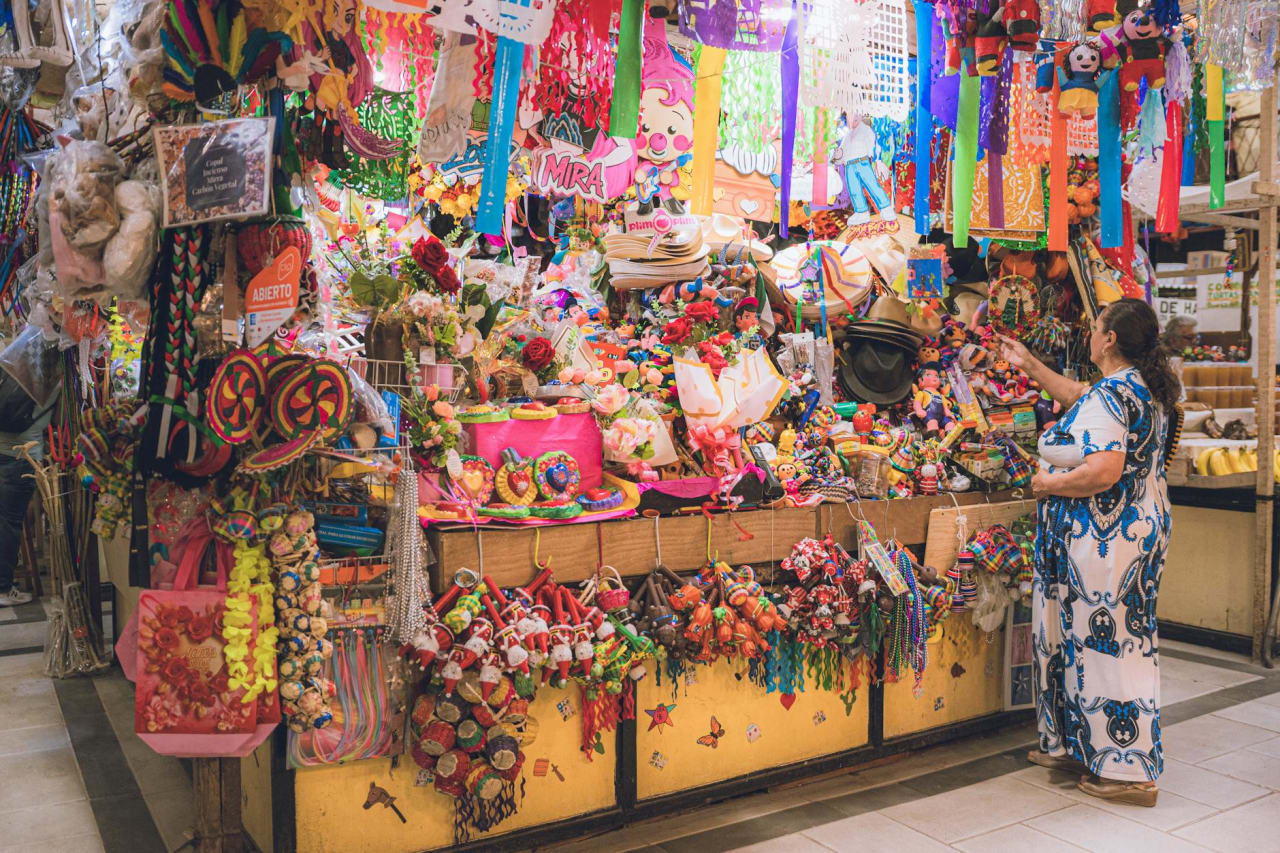
The Mercado Municipal in Tulum Pueblo is the best place to eat breakfast in town. Show up by 8am. Inside, you’ll find a row of comedores run by local women serving tamales, scrambled eggs with epazote, huevos rancheros, and enormous cups of atole or café de olla. The total organized chaos is part of the charm. Grab a plastic stool, point at what looks good, and eat. By 10am the best stuff is often gone.
Aldea Zama: The Jungle Neighborhood
Aldea Zama is Tulum’s upscale jungle residential zone, home to boutique hotels and design studios — but also a handful of excellent taco stands and local comedores on the side streets. During the lunch hour, loncheras (mobile lunch carts) park on the residential roads serving rotating daily specials. These spots are where local workers eat, not tourists, and the prices reflect it.
La Veleta: The Artsy Local Zone
La Veleta sits just outside the main tourist circuit and has a lower-key, neighborhood feel. A few excellent family-run taquerias and antojito stands operate here in the evenings, drawing a mix of locals and in-the-know long-term visitors. Order the pastor, sit on a plastic chair facing the street, and stay for two more rounds. The tortillas here are hand-pressed.
Must-Try Dishes: A Street Food Hit List
| Dish | What It Is | Best Time to Eat | Where to Find It |
|---|---|---|---|
| Tacos al Pastor | Vertical spit pork tacos with pineapple and cilantro | Evening / Night | Avenida Tulum, La Veleta |
| Cochinita Pibil Tacos | Slow-roasted achiote pork with pickled red onion | Morning / Midday | Market, Pueblo stands |
| Ceviche de Camarón | Shrimp in lime with tomato, onion, chile | Midday | El Camello, beach carts |
| Tostadas de Mariscos | Crispy tostadas loaded with mixed seafood and lime | Midday / Evening | El Camello, market |
| Tacos de Pescado | Grilled or fried Caribbean fish in corn tortillas with slaw | Anytime | All neighborhoods |
| Tamales Yucatecos | Banana leaf tamales filled with achiote chicken or pork | Morning | Central market |
| Elote / Esquites | Grilled corn or corn cups with chile, lime, mayo | Evening | Avenida Tulum, park area |
| Poc Chuc | Grilled marinated pork — a Yucatecan street classic | Midday / Evening | Pueblo comedores |
| Michelada Cart | Spiced beer cocktails — ideal late-night street drinking | Night | El Camello, Pueblo strip |
Tips for Eating Street Food Safely & Well
The Practical Rules
- Follow the locals. If families with kids are eating there, it’s a good sign. If only tourists are there, think twice.
- Watch the comal. Food cooked to order on a hot surface — tacos, antojitos, eggs — is safer than food sitting in a pot at room temperature.
- Ask for “sin hielo” (no ice) if you’re being cautious. Most ice in Tulum Pueblo is purified, but it’s a good habit when uncertain.
- Stay hydrated. The Caribbean coast is hot and humid year-round. Pair your tacos with a cold agua fresca and drink plenty of water throughout the day.
- Bring small bills. Street vendors rarely have change for large notes. Keep 20 and 50-peso bills handy.
- Go early at the market. By 10am, the best tamales and cochinita pibil are often sold out. Arrive by 8am for the full spread.
- Be adventurous. If you don’t recognize something, ask. Most vendors are happy to explain and let you taste before committing.
What to Drink Alongside Your Street Food
- Agua de Jamaica — hibiscus water, deep red, lightly sweet and tart. Perfect with seafood and tacos.
- Agua de Horchata — creamy rice-based drink with cinnamon, sold everywhere. Great balance against spicy salsas.
- Fresh Coconut Water — vendors with machetes and carts of green coconuts appear throughout the Pueblo and along beach roads. Cold and genuinely refreshing.
- Café de Olla — Mexican clay-pot coffee sweetened with piloncillo. The market’s morning fuel of choice.
- Mezcal or Local Beer — if you want to accompany your evening tacos with something stronger, a cold Victoria or a small pour of mezcal is the local approach. Many street stands have a cooler hidden behind the grill.
Speaking of local drinks — if you want to go beyond the street corner and actually explore Tulum’s cenotes with our team, our Cenote Tour pairs beautifully with a morning at the market and an afternoon underground. It’s the perfect way to balance culture with nature.

Pair Your Food Exploration With a Tour
Eating well is just one dimension of Tulum. The best days here combine a morning at the market or taco stand with an afternoon at a cenote, on the Caribbean, or at the ruins. A few tours that pair naturally with a street food day:
- Start your morning with market breakfast, then head out on a Gran Cenote and Dos Ojos tour before lunch. Return to the Pueblo for fresh tostadas de mariscos at El Camello by noon.
- After a satisfying taco dinner, step into the Caribbean jungle for a Sian Ka’an biosphere tour — one of the most breathtaking UNESCO reserves on Mexico’s Caribbean coast.
- If you want to go beyond eating street food and understand the culinary traditions of the Yucatan, our Tulum City Tour covers the history, neighborhoods, and food landmarks of the town in one guided loop.
- For sunset views before your evening taco run, few experiences match a sunset tour over Tulum’s Caribbean horizon.
- Round out a culturally rich day with a visit to the Tulum Ruins — the only Mayan site perched directly above the sea. The view from the cliff is one you won’t forget.

A Local’s Perspective: Street Food Story
“I came to Tulum for a week and stayed three. The ruins and cenotes were stunning, but honestly? It was the food that kept me. On my second morning, I stumbled into the Mercado Municipal and a woman handed me a plate of cochinita pibil tacos with pickled onions before I’d even sat down. I didn’t know what I was eating. It was the best breakfast of my entire trip. By the end of the week I was going back every morning and she’d start making mine the moment she saw me at the entrance.”
— Mara L., traveler from Canada, November 2024
Frequently Asked Questions About Street Food in Tulum
Is street food safe to eat in Tulum?
Yes, for the most part — especially from busy, high-turnover stands in Tulum Pueblo. Choose food cooked fresh to order, avoid anything sitting at room temperature for long, and go where locals go. Most travelers eat freely from street vendors without issue.
What is the most iconic local street food I shouldn’t miss?
Cochinita pibil tacos are non-negotiable. It’s the signature dish of Yucatecan street food — slow-roasted achiote pork in a corn tortilla with pickled red onion and a splash of habanero salsa. Find it in the morning market for the full experience.
Where is the best breakfast street food in Tulum?
The Mercado Municipal in Tulum Pueblo is the best spot for breakfast. Arrive between 7–9am for tamales, cochinita pibil, huevos rancheros, atole, and freshly brewed café de olla.
Can I find vegetarian or vegan street food options?
Absolutely — more so than almost anywhere else in Mexico. Tulum has a strong vegan and organic food culture, especially in the Zona Hotelera and Aldea Zama. Even in the Pueblo market, vegetarian tamales, bean tacos, esquites, and fresh fruit are easy to find. Vegan eating is genuinely well-supported here.
What neighborhoods have the best street food in Tulum?
Tulum Pueblo’s main strip (Avenida Tulum) and El Camello night market are the liveliest zones for evening street food. The central market is best for morning. La Veleta and Aldea Zama side streets are best for midday loncheras and local taquerias. Each zone has its own rhythm.
Is there a food tour available in Tulum?
While dedicated food tours vary seasonally, combining a city tour with market time gives you a well-rounded culinary and cultural introduction to the town. Our Tulum team can also point you toward our favorite current stands.
Conclusion

Tulum feeds you well if you know where to look. The street food scene here is as genuine and layered as it gets on Mexico’s Caribbean coast — shaped by Yucatecan tradition, fueled by the Caribbean sea’s fresh catch, and kept alive by families who have been cooking the same recipes for generations. Eat at the market in the morning. Chase ceviche at noon. Close the day with a plate of pastor tacos under the stars at El Camello. You’ll leave Tulum not just sun-kissed and cenote-drenched, but genuinely well fed.

Disclaimer: Information may change; please confirm schedules, regulations, and availability before booking. For legal, environmental, or safety matters, consult local authorities or official sources. For reservations or questions, visit our tours and reservations page.
External Resources
Follow Us
auto_awesome Continue exploring Tulum
You Might Also Like
 article Adventures calendar_today Mar 9, 2026
 Best Restaurants in Tulum: Complete Foodie Guide
Tulum is far more than a wellness destination — it’s quietly becoming one of the most exciting food scenes on the Mexica
article Aventuras calendar_today Mar 12, 2026 Late-Night Eats in Tulum: Where to Eat After Midnight
Tulum doesn’t sleep — and neither does its food scene. Whether you’ve just returned from a cenote tour, danced your way
article Adventures calendar_today Mar 6, 2026 Tulum Food Markets: Your Guide to Shopping & Eating Local
If you want to understand a place, go to its market. In Tulum, the food markets and street-food scenes are a window into