Scuba Diving in Tulum: Cenotes, Coral, and What to Expect Under the Surface
People who visit Tulum for the first time usually come for the ruins, the cenotes, or the yoga retreats. Very few arrive specifically for the scuba diving — and that's a genuine oversight, because Tulum sits on top of one of the most diverse underwater landscapes in the Americas.
You have two completely different diving environments here: the warm, clear Caribbean Sea to the east, and the extraordinary freshwater cenote cave systems running beneath the jungle floor. Neither one is a compromise. Both are world-class in their own right.
What the Water Is Actually Like
The Caribbean off Tulum is exactly what the photos suggest: warm, turquoise, and genuinely calm. Water temperature stays between 26°C and 29°C year-round, with visibility typically running 20 to 30 meters on the reef. This is not a wild, unpredictable ocean. It's a protected sea with consistent conditions and some of the most reliably good diving in Mexico.
Tulum sits on the southern edge of the Mesoamerican Barrier Reef — the second-largest coral reef system in the world after the Great Barrier Reef. The reef runs continuously from the Yucatán Peninsula down through Belize, Guatemala, and Honduras, and the section off Tulum sees far fewer divers than the more famous sites near Cozumel or Playa del Carmen. That means you'll often find healthy coral and marine life without the crowds.

The cenote diving is a different universe entirely. The freshwater is so clear that visibility inside the cave systems can exceed 60 meters. Shafts of sunlight pierce through openings in the jungle canopy above and illuminate the limestone formations below. You'll find stalactites and stalagmites formed during the last ice age, when these caves were dry. It's genuinely unlike anything else in diving.
Is It Actually Worth It?
Honestly, the question almost answers itself. Tulum gives you access to Gran Cenote, Dos Ojos, Cenote Azul, Jardín del Edén, and Casa Cenote — all within a short drive or bike ride from town. These are not hidden gems that require effort to find; they're recognized internationally as premier dive and snorkel sites. The cenote diving alone would justify a trip.
Add the Caribbean reef, and you have two completely different diving environments within 20 minutes of each other. We recommend spending at least half your dive days in the cenotes if this is your first time — reef diving you can do elsewhere, but there's nowhere else in the world quite like the Yucatán cave systems.
The divers who get the most out of Tulum are those who are willing to mix the two environments rather than treating this as a single-discipline trip.
Where the Dive Sites Are
For reef diving, most operators launch from the Zona Hotelera — Tulum's beach hotel strip — and head to sites 10 to 25 minutes offshore. The reef wall drops from about 5 meters near the surface to depths beyond sport diving range, with the most interesting terrain between 12 and 25 meters. Nurse sharks resting on the sandy bottom, eagle rays cruising the wall, green and hawksbill sea turtles, moray eels, and large schools of tropical fish are all regular sightings.
For sea turtles in particular, Akumal — about 30 minutes north of Tulum on Highway 307 — is outstanding. Wild green and loggerhead turtles feed on seagrass in the bay year-round, and the site is shallow enough that even snorkelers get excellent encounters. You can book a guided snorkel or dive at Akumal through most operators in town.
For cenote diving, Gran Cenote is the most accessible and well-suited to all skill levels — it's a 10-minute bike ride from Tulum Pueblo and has both open-water sections and cave passages. Dos Ojos (literally "Two Eyes") is a more extensive system with two connected cenotes and significant cavern diving opportunities. Casa Cenote, close to the coast, sits at the point where fresh and salt water mix — you'll actually see the halocline, the shimmering boundary between the two water types.

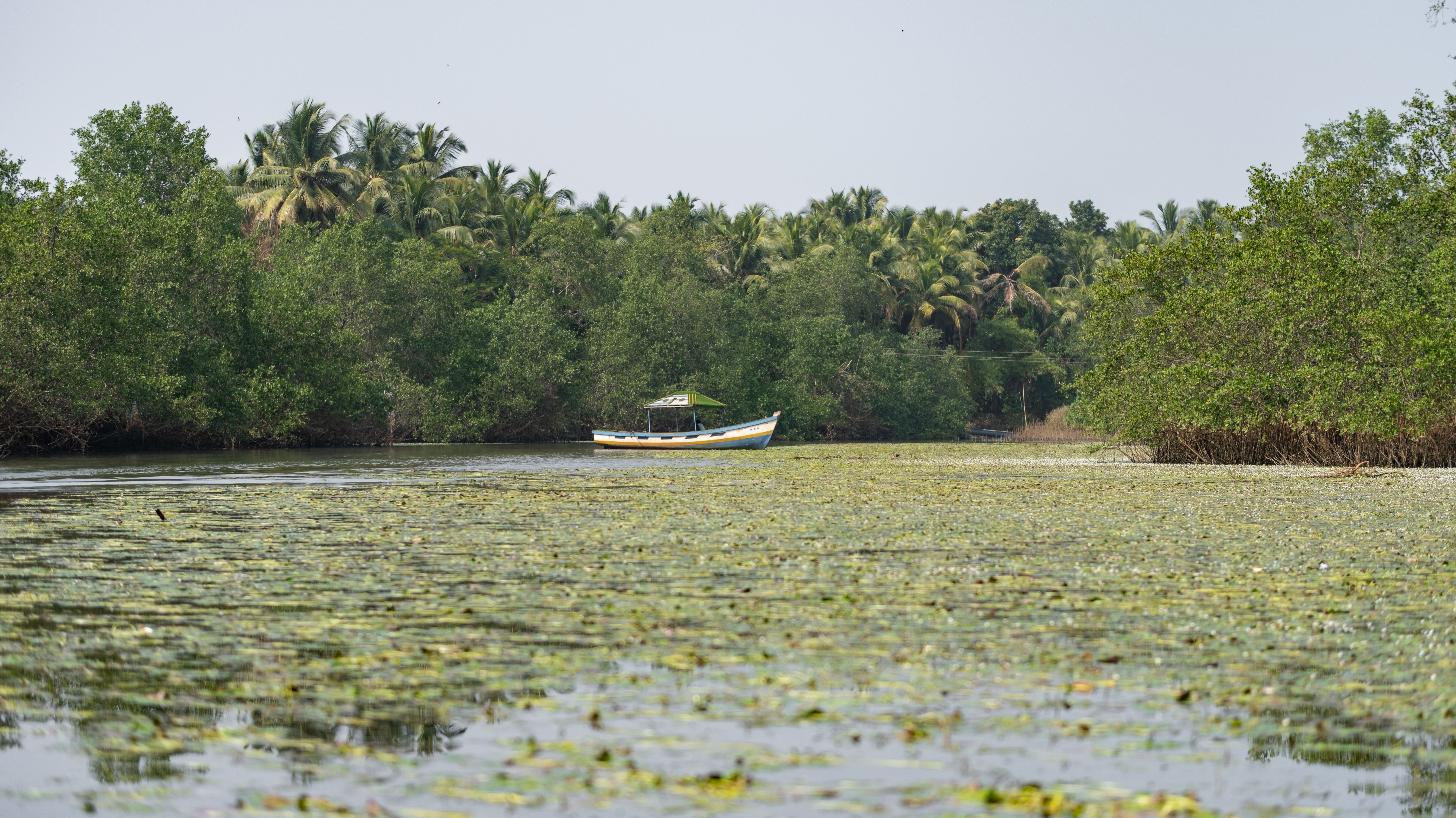
Several operators also run day trips south into the Sian Ka'an UNESCO biosphere reserve — a vast stretch of mangroves, lagoons, and open Caribbean coast that sees very little tourist traffic. Snorkeling in the Sian Ka'an channels is unlike anything in the hotel zone.
When to Go
The honest answer is: Tulum's diving is good year-round, which is one of the real advantages of the Caribbean versus the Pacific. The water stays warm and clear in every season. That said, there are better and quieter windows.
November through April is the dry season on the Yucatán Peninsula — slightly less humidity, less chance of afternoon rain, and the lowest crowds of the year. Visibility on the reef is typically at its best. Cenote conditions are consistently excellent regardless of season because the freshwater temperature barely fluctuates.
May through October brings the summer season and increased humidity, but also warmer sea surface temperatures and the possibility of whale shark encounters further north near Isla Mujeres — some operators run day trips from Tulum. September and October are hurricane season, and while Tulum doesn't get direct hits every year, it's worth checking weather patterns before booking an exclusively dive-focused trip in those months.
Practical Notes Before You Book
Tulum has a well-developed dive industry with operators ranging from backpacker-friendly shops in Tulum Pueblo to more upscale outfitters in the Zona Hotelera. Group sizes at reputable shops stay small — typically 4 to 8 divers — and guides are generally well-trained and genuinely knowledgeable about the local systems.
For cenote cave diving specifically: there is an important certification distinction. Cavern diving (staying in the light zone, never leaving sight of the entrance) requires a basic open-water certification and is suitable for most recreational divers. Cave diving (penetrating beyond the light zone into the full cave system) requires a dedicated cave diving certification — this is not something to attempt without it. Any honest operator will ask about your certification level before booking you on a cave dive.
A 3mm shorty wetsuit is comfortable for most cenote diving even in the warmest months, as the freshwater runs cooler than the sea. For reef diving, many people skip the wetsuit entirely in summer — water temperature at 25 meters is typically around 27°C.

If you're not yet certified but want to experience the cenotes underwater, most dive shops offer a Discover Scuba Diving experience in the open-water sections of Gran Cenote or similar sites — no prior experience needed. It's one of the best introductions to scuba diving anywhere in the world. Snorkeling in the cenotes is also genuinely spectacular and requires no certification at all.
Come for the Diving, Stay for Everything Else
Tulum tends to hold people longer than they planned. The diving is one reason, but it's rarely the only one. Once you've had a morning inside a cenote cave watching light beams play off ancient stalactites, an afternoon watching turtles at Akumal, and an evening at one of the open-air restaurants along the Zona Hotelera with the Caribbean breeze coming in — you start to understand why people extend their stays.
If you want help planning a water-based trip that combines cenote diving, reef diving, and time on the Caribbean coast, get in touch on WhatsApp. Our Tulum team will give you an honest read on conditions for the time you're coming and help you put together something that actually makes sense.