
Useful Spanish Phrases for Tulum: Beyond "Dos Cervezas Por Favor"
Useful Spanish Phrases for Tulum: Beyond "Dos Cervezas Por Favor"
You landed in Tulum knowing how to order a beer and say gracias. That got you through the airport. It will not get you through the taco stands in Tulum Pueblo, a colectivo negotiation on Highway 307, or a back-and-forth at the cenote ticket booth on the road to Gran Cenote. Useful Spanish phrases for Tulum go beyond the phrasebook — this town runs on a particular rhythm of Yucatecan Caribbean Spanish, with its own shortcuts and local expressions. This guide gives you the working vocabulary for the five situations that will actually matter: food, money, the beach and cenotes, transport, and the small talk that genuinely opens doors.
No filler, no textbook conjugation drills. Just the phrases locals actually say — and what to do when you hear them back.
Why Speaking Spanish Changes Your Tulum Experience
Tulum is not a sealed-off resort bubble. The colectivos running between Tulum Pueblo and the Zona Hotelera are packed with locals and workers. The family-run comedores around the market charge a fraction of jungle-restaurant prices. The cenote attendants and Mayan site guides who work the ruins above the Caribbean are approachable — if you speak even halting Spanish.
English is spoken at eco-boutique hotels, some yoga studios, and a handful of upscale jungle restaurants. Outside those spaces, Spanish is the operating system of daily life. Locals in Tulum are genuinely patient with learners — decades of hosting international travelers has taught them to read confused faces — but effort is rewarded faster than any amount of pointing and hoping.
One practical rule: the closer to the Zona Hotelera beach strip, the more English you'll find. Walk two blocks into Tulum Pueblo and that changes fast.
Food & Market Phrases That Actually Work
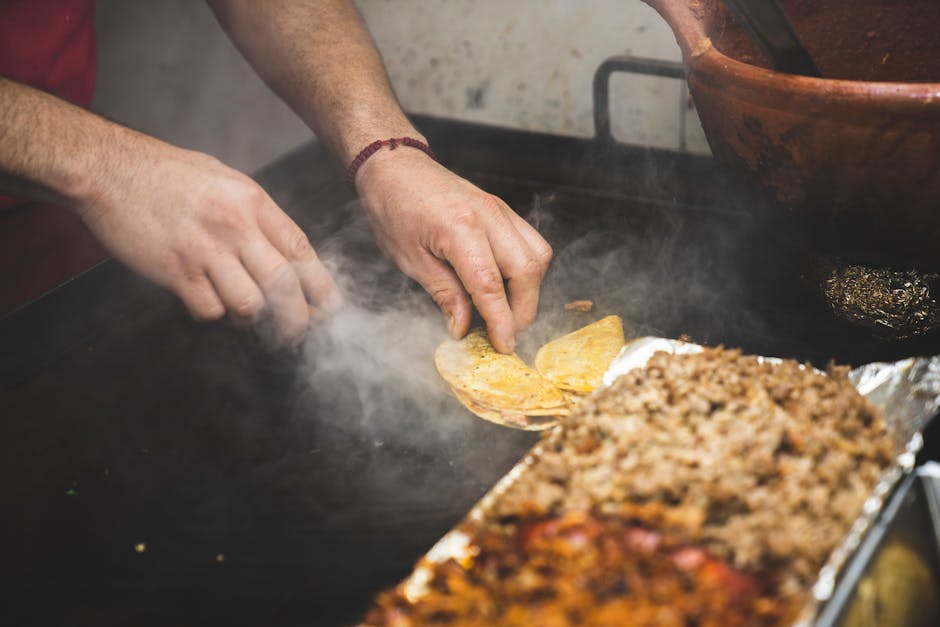
At the Taco Stand and Market
The street food vocabulary of Tulum is small and specific. These phrases cover the majority of taco stand and market interactions in Tulum Pueblo without requiring you to know ingredient names or menu items:
- ¿Me da uno de esos? (Can I have one of those?) — Point and say this at any stand. Works everywhere without knowing the item's name.
- ¿Con todo? (With everything?) — The vendor will ask you this. Say sí unless you want to customize.
- Sin picante, por favor (Without spice, please) — Default heat at Mexican taco stands is real. Say this early if you need it.
- ¿Qué lleva? (What does it have in it?) — Ask before ordering anything unfamiliar from a market stall.
- ¿Cuánto es? (How much is it?) — Always ask at stands with no posted prices before you eat.
- ¡Está buenísimo! (This is delicious!) — Say this honestly and watch what happens to the next portion size.
- ¿Hay para llevar? (Can I get it to go?) — Useful when you want to eat on the beach or at a cenote.
Paying Without Confusion
Cash is king in Tulum. Most stands and small restaurants don't take cards, and those that do often have unreliable connections. These phrases keep the transaction smooth:
- ¿Me cobra? (Can I pay?) — More natural than saying la cuenta in casual settings.
- ¿Tiene cambio para un billete de 500? (Do you have change for a 500-peso note?) — Ask this before sitting down. Small bills are the social currency of Tulum.
- ¿Aceptan tarjeta? (Do you accept card?) — Avoid the awkward moment at the end of a meal.
- ¿Está incluido el servicio? (Is service included?) — Check before adding a tip at sit-down restaurants. Some add it automatically — see our Tulum tipping guide for the full breakdown.

Beach & Cenote Phrases — Including the Safety Ones Nobody Tells You
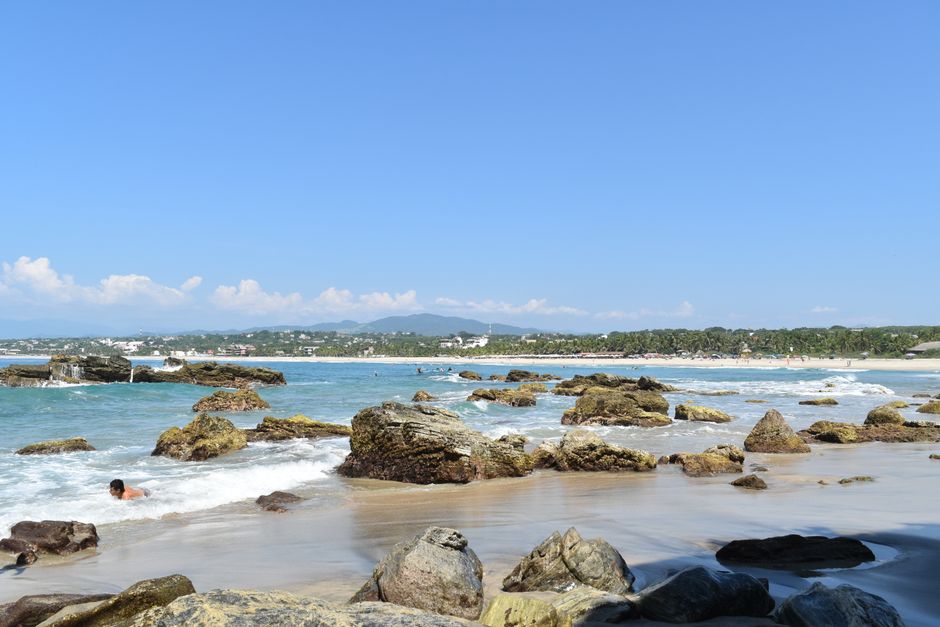
The beach and cenote vocabulary of Tulum matters for safety as much as social reasons. The Caribbean here is generally calm and warm — snorkelling and diving, not surfing, are the local water sports. But cenotes have their own rules, and knowing the vocabulary before you descend the ladder into a dark cavern is genuinely useful.
- ¿Está tranquilo hoy? (Is it calm today?) — Ask a local or beach attendant before swimming at any unfamiliar stretch of coast.
- ¿Hay medusas? (Are there jellyfish?) — Seasonal jellyfish blooms do pass through the Caribbean. Worth asking before you wade in.
- ¿Se puede nadar aquí? (Can you swim here?) — Essential before entering any cenote or lagoon. Some have restricted zones or strong underground currents.
- ¿Incluye equipo de snorkel? (Does it include snorkel gear?) — Ask this when booking cenote or reef tours. Equipment quality varies widely.
- ¿A qué hora sale el tour? (What time does the tour leave?) — For boat tours to the reef, cenote day trips, or excursions to Sian Ka'an.
- ¡Qué vista tan bonita! (What a beautiful view!) — Say this to anyone near you at Playa Ruinas watching the sunset over the Mayan cliffs. It starts conversations every time.
- ¿Dónde me paro? (Where do I wait?) — Ask when meeting a guide or driver at a pickup point.
When you book a cenote tour or snorkelling experience with us, your guides brief you in both English and Spanish — but knowing these phrases beforehand makes the experience land faster.
Getting Around: Taxis, Bikes & Colectivos

Tulum has no Uber or Didi. Your options are fixed-price taxis (negotiate before entering), bicycles widely available for rent in Tulum Pueblo, and colectivos — shared minivans running fixed routes along Highway 307 for around 12–15 MXN. Colectivos are how locals actually travel: faster and cheaper than taxis for most routes between the town and the coast.
- ¿A cuánto me lleva a [lugar]? (How much to take me to [place]?) — Agree on a price before entering any taxi. The standard Tulum Pueblo to Zona Hotelera fare is roughly 80–120 MXN.
- ¿Va al centro? (Does this go to the center?) — Ask at a colectivo stop before boarding.
- Me bajo aquí, por favor (I get off here, please) — Tap the ceiling or seat and say this to the colectivo driver. Don't wait for a formal stop.
- ¿Cuánto tarda? (How long does it take?) — Useful before committing to any journey.
- Más despacio, por favor (Slower, please) — Say this calmly and clearly to any driver who's testing your nerve.
- ¿Me puede esperar? (Can you wait for me?) — Tell a taxi driver to wait during a quick errand. Agree on a time, not just a nod.
- ¿Por dónde vamos? (Which way are we going?) — If you suspect the driver is taking the scenic route.
For longer day trips to Cobá, Chichén Itzá, or Bacalar, a private transfer or organized tour is far more practical — your driver handles the roads and you keep your energy for the destination. Check our full tour and transfer options for all routes covered.
Quick Spanish Phrase Reference
| Situation | Spanish | English |
|---|---|---|
| Ordering at a taco stand | ¿Me da uno de esos? | Can I have one of those? |
| Asking for the price | ¿Cuánto es? | How much is it? |
| Asking for the bill | ¿Me cobra? | Can I pay? |
| No spice, please | Sin picante, por favor | Without spice, please |
| Beach & cenote safety check | ¿Se puede nadar aquí? | Can you swim here? |
| Asking about jellyfish | ¿Hay medusas? | Are there jellyfish? |
| Negotiating a taxi fare | ¿A cuánto me lleva a...? | How much to take me to...? |
| Getting off a colectivo | Me bajo aquí, por favor | I get off here, please |
| Asking the driver to slow down | Más despacio, por favor | Slower, please |
| Complimenting the food | ¡Está buenísimo! | This is delicious! |
Frequently Asked Questions About Spanish in Tulum
Do I need to speak Spanish to visit Tulum?
You can survive without it — tour operators, most hotels, and beachfront businesses speak functional English. But the real Tulum — markets, colectivos, neighborhood restaurants, cenote ticket booths — runs largely on Spanish. Even 10–15 phrases dramatically changes your range of movement and the quality of your interactions.
What's the single most useful Spanish phrase in Tulum?
¿Me da uno de esos? (Can I have one of those?) — Point and say this at any taco stand, market stall, or bakery in Tulum Pueblo. It's grammatically simple, culturally appropriate everywhere, and saves you from having to name things you can't identify yet.
Will locals be patient with bad Spanish?
Yes. Tulum has hosted international travelers, wellness seekers, and divers for decades. Locals are experienced with broken Spanish and genuinely appreciate the attempt. Speak slowly, don't over-apologize, and smile — those three things carry you surprisingly far.
Is Mexican Spanish very different from what I learned?
The grammar is the same but the vocabulary has local color. Chido means cool. Güey (said "way") is a gender-neutral, casual term for friend or dude — very common and not offensive in informal contexts. ¿Mande? is how Mexicans say "pardon?" — you'll hear it constantly. And ahorita technically means "right now" but in practice means anywhere from "in a moment" to "sometime today" to "eventually" — adjust expectations accordingly.
Can I use Google Translate offline in Tulum?
Yes — and you should download the Spanish language pack before you arrive. Signal is generally reliable in Tulum Pueblo and the Zona Hotelera, but drops inside jungle cenote zones, along dirt roads toward Sian Ka'an, and at some remote beach spots off the hotel strip. The U.S. State Department travel page for Mexico consistently recommends offline resources for travel in remote coastal areas — good advice regardless of your nationality.
Speaking Spanish is the fastest shortcut to the Tulum that most visitors never reach. And for everything you want to explore — cenote tours, snorkelling the reef, day trips to Cobá or Bacalar, excursions into Sian Ka'an — our guides speak both languages and will take you to the places these phrases make even more meaningful. Browse our full tour calendar and find what fits your trip.
auto_awesome Continue exploring Tulum
You Might Also Like
 article Adventures calendar_today Mar 23, 2026
 Tulum Wellness Travel Guide: Yoga, Spas & Retreats
Tulum is one of Mexico’s most quietly powerful places to reset, breathe, and reconnect with yourself. Between the turquo
article Aventuras calendar_today Mar 18, 2026 Yoga in Tulum: Best Studios, Beach Classes & Wellness Experiences
There’s something about Tulum that invites you to slow down, breathe deeper, and be fully present. Maybe it’s the turquo
 article Adventures calendar_today Feb 19, 2026
 Fitness & Gyms in Tulum: Staying Active on the Riviera Maya
Tulum isn’t just a place to unwind on the beach — it’s also a destination where staying active feels completely natural.