Day of the Dead in Tulum: What to Expect & Where to Celebrate
Day of the Dead in Tulum: What to Expect & Where to Celebrate
If you are in Tulum during Día de Muertos — October 31 through November 2 — you are about to experience something that does not reduce to a photo opportunity. Día de Muertos is a tradition rooted in pre-Columbian Mesoamerican belief, and in a town where families have lived for generations alongside ancient Mayan heritage, it carries an intimacy that larger tourist destinations have mostly traded away. This guide tells you exactly what happens, where the real celebrations take place, and how to be a respectful witness to one of the most meaningful cultural events on Mexico's Caribbean coast.
What Día de Muertos Actually Is (And What It Is Not)
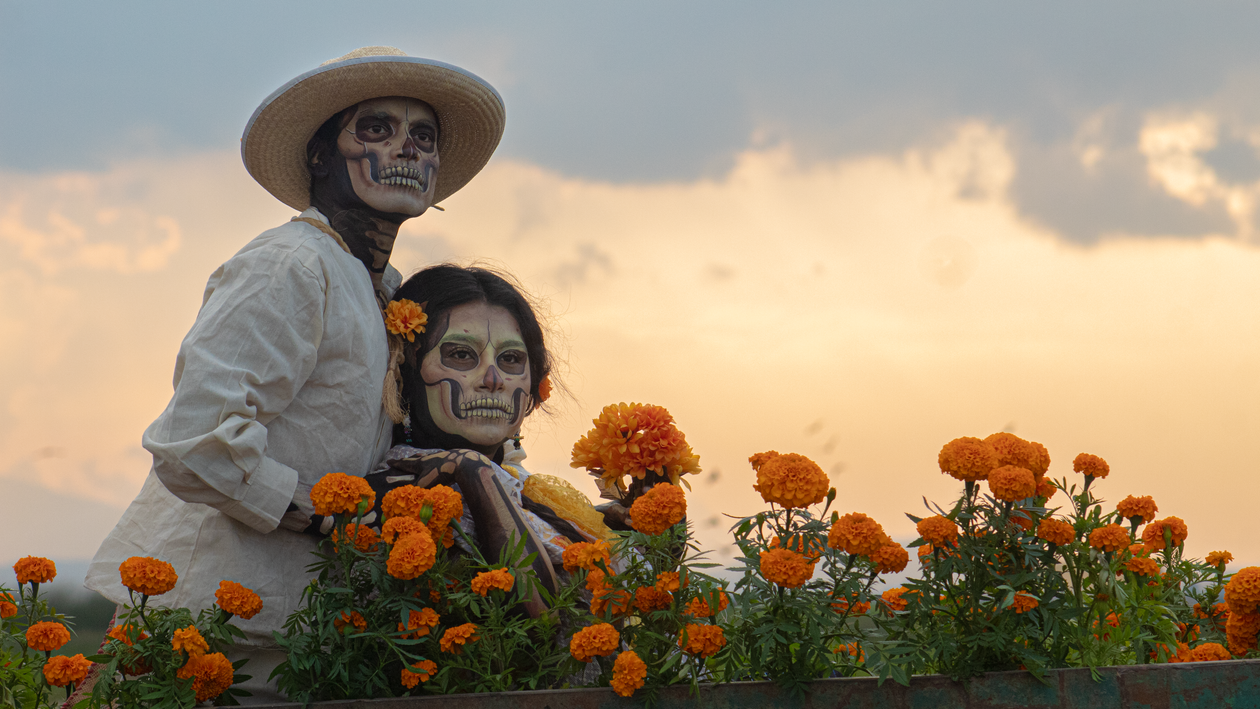
Día de Muertos rests on the belief that the barrier between the living and the dead dissolves on specific nights each year. October 31 honors children who have died — called Día de los Angelitos. November 1–2 is for adult spirits. Families spend weeks building ofrendas — tiered altars loaded with photographs of the deceased, their favorite foods and drinks, candles, copal incense, and carpets of cempasúchil (marigold) petals. The marigold's intense scent is believed to guide the spirits home from the other world.
What the holiday is not: a day of mourning, a Mexican version of Halloween, or a costume occasion. The mood at Tulum's cemetery on the nights of November 1 and 2 is closer to an outdoor family reunion than a solemn vigil — people laugh, share tamales, clean and decorate graves, and spend the night in conversation with the people they loved. In 2008, UNESCO recognized Día de Muertos as an Intangible Cultural Heritage of Humanity, acknowledging its roots in Aztec, Nahua, and Totonac traditions.

The Heart of It: Panteón Municipal
The center of Día de Muertos in Tulum is the Panteón Municipal — the main community cemetery, located near the heart of Tulum Pueblo. On the nights of November 1 and 2, families begin arriving at dusk with armloads of marigolds, candles, and food. By 9 PM, the cemetery is transformed: every grave is carpeted with orange petals and lit with dozens of candles, and the air is thick with copal smoke and quiet conversations. No event staged for tourism achieves what you will see here — this is a community doing something real.
What You Will See
- Graves decorated with arches of marigolds, photographs, candles, and personal objects
- Families setting out the deceased's favorite dishes, drinks, and mementos on the grave
- Children running between the stones carrying marigold bunches
- Vendors circulating with hot drinks, tamales, and snacks
- Occasional music — guitarists or mariachis hired to play a few songs at a specific grave
How to Get There and When to Arrive
The Panteón Municipal is a short walk or taxi ride from Tulum Pueblo's main strip on Avenida Tulum — a 50-peso taxi ride from most hotels in the town center. Arrive after 7 PM — the altars reach their full visual peak as it gets dark. Entry is free and open to all visitors. Photography is permitted in common areas; always ask before photographing anyone near a family gravesite.

Ofrendas Across Town: Beyond the Cemetery
Mercado Benito Juárez
The central market in Tulum Pueblo hosts a large public ofrenda in the days leading up to November 2. These are elaborate, tiered altars — sometimes 2–3 meters tall — built by local families and market vendors. The symbolism is complete: a marigold arch as a portal for the returning spirit, water for the journey, salt for purification, copal incense, pan de muerto (traditional sweet bread), and photographs of the honored dead. The market ofrenda is accessible during regular hours and is one of the most approachable entry points for first-time visitors.
Avenida Tulum and Hotel Ofrendas
Several hotels and restaurants along Tulum Pueblo's main avenue build their own ofrendas during this period, honoring famous Mexicans alongside personal tributes. Quality varies — some are commercial, others are genuinely moving. Visit them in the afternoon of November 1 before heading to the cemetery for the evening vigil.

Day-by-Day Guide to the Celebrations
| Date | Location | What Happens |
|---|---|---|
| Oct 31 evening | Panteón Municipal | Families honor children who have died (Angelitos) |
| Nov 1 all day | Market, homes, Avenida Tulum | Public ofrendas open; marigold vendors throughout the town |
| Nov 1 evening | Panteón Municipal | Main cemetery vigil begins at dusk — peak candlelight by 9 PM |
| Nov 2 all day | Cemetery, Tulum Pueblo | Continued vigil; families clean, decorate, and share food at graves |
| Nov 2 evening | Avenida Tulum / neighborhoods | Informal processions may occur; check locally on arrival |
How to Be a Respectful Visitor
The most common mistake visitors make is treating the cemetery like a set. Día de Muertos in Tulum is not a performance — families are doing something intimate in a public space. Keep these in mind:
- Ask before photographing anyone at the cemetery, especially near a gravesite.
- Do not touch or move ofrenda items. Every object is placed with intention.
- Bring marigolds if you want to participate — vendors sell bunches at the entrance for a few pesos.
- Speak quietly near individual family gravesites.
- Stay as long as you like. The atmosphere peaks around midnight on November 1–2.

Planning Your Visit Around Día de Muertos
Early November is one of the most comfortable times to visit Tulum. Dry season has typically settled in by late October: days run 28–32°C with lower humidity, the turquoise Caribbean Sea is calm and ideal for snorkeling, and the tourist crowds of high December are still weeks away. Book accommodation 6–8 weeks in advance — Mexican domestic travelers visit in significant numbers for the holiday, and hotels in both Tulum Pueblo and the Zona Hotelera fill up quickly.
Cenote and reef tours run every morning year-round. A morning cenote snorkeling departure on November 1 or 2 puts you back at the hotel by midday with the afternoon free for market ofrendas and an evening at the cemetery. The warm, clear Caribbean water in early November makes this one of the best weeks to explore Gran Cenote or Dos Ojos. Check the full tour calendar to plan your days around the celebrations.
FAQ: Día de Muertos in Tulum
- Is Día de Muertos celebrated in Tulum?
Yes. Tulum has an active, community-rooted Día de Muertos celebration centered on the Panteón Municipal in Tulum Pueblo. It is not staged for tourism but is open to respectful visitors.
- When exactly does Día de Muertos happen?
The observance runs October 31 to November 2. October 31 honors children who have died (Angelitos); November 1 is Día de Todos Santos; November 2 is Día de los Fieles Difuntos. Cemetery vigils peak on the nights of November 1 and 2.
- Is it disrespectful to visit the cemetery during Día de Muertos?
Not if you go with the right attitude. Families generally welcome curious visitors — this is not a closed ceremony. Respect private moments, ask before photographing anyone, and treat the space the way you would any place where people are honoring someone they loved.
- What should I bring to the cemetery?
No offering is required. Many visitors bring a bunch of cempasúchil marigolds as a gesture — vendors sell them at the entrance for a few pesos. Wear comfortable shoes (the terrain is uneven), and bring a light layer for the evening cool.
- Is there a parade or procession in Tulum for Día de Muertos?
Unlike Oaxaca City, which holds a large organized procession, Tulum's Día de Muertos is more intimate and community-centered. Informal neighborhood processions happen but are not publicly scheduled. The cemetery vigil is the main event.
Spending Día de Muertos in Tulum? Pair the cemetery vigil with a morning in the Caribbean — our cenote snorkeling tours depart daily from Tulum, including November 1 and 2, and return by midday so your afternoon and evening are free for the celebrations. Explore tours and book your spot here.