
Tulum Expat Guide: Everything You Need to Know About Living Long-Term
Tulum has quietly transformed from a well-kept secret into one of Mexico’s most compelling long-term destinations for expats, digital nomads, retirees, and adventurous souls seeking a slower — yet vibrant — pace of life. With turquoise Caribbean waters, ancient Mayan ruins, sacred cenotes, lush jungle, and a thriving wellness community as a backdrop, it’s no surprise that more and more foreigners are choosing to plant roots here. This guide is your honest, practical starting point for making that leap.

Why Expats Choose Tulum for the Long Haul
Ask any long-term resident why they stayed, and you’ll usually hear some version of the same story: they came for a week, and never really left. Tulum offers a rare combination of natural beauty, genuine Mayan heritage, a world-class wellness scene, and a growing international community — all without the overdeveloped feel of more famous beach destinations.
The Pull Factors
- Caribbean Sea at your doorstep: Turquoise, warm, calm water ideal for snorkelling, swimming, and diving. The Caribbean coastline here is some of the most photographed in all of Mexico.
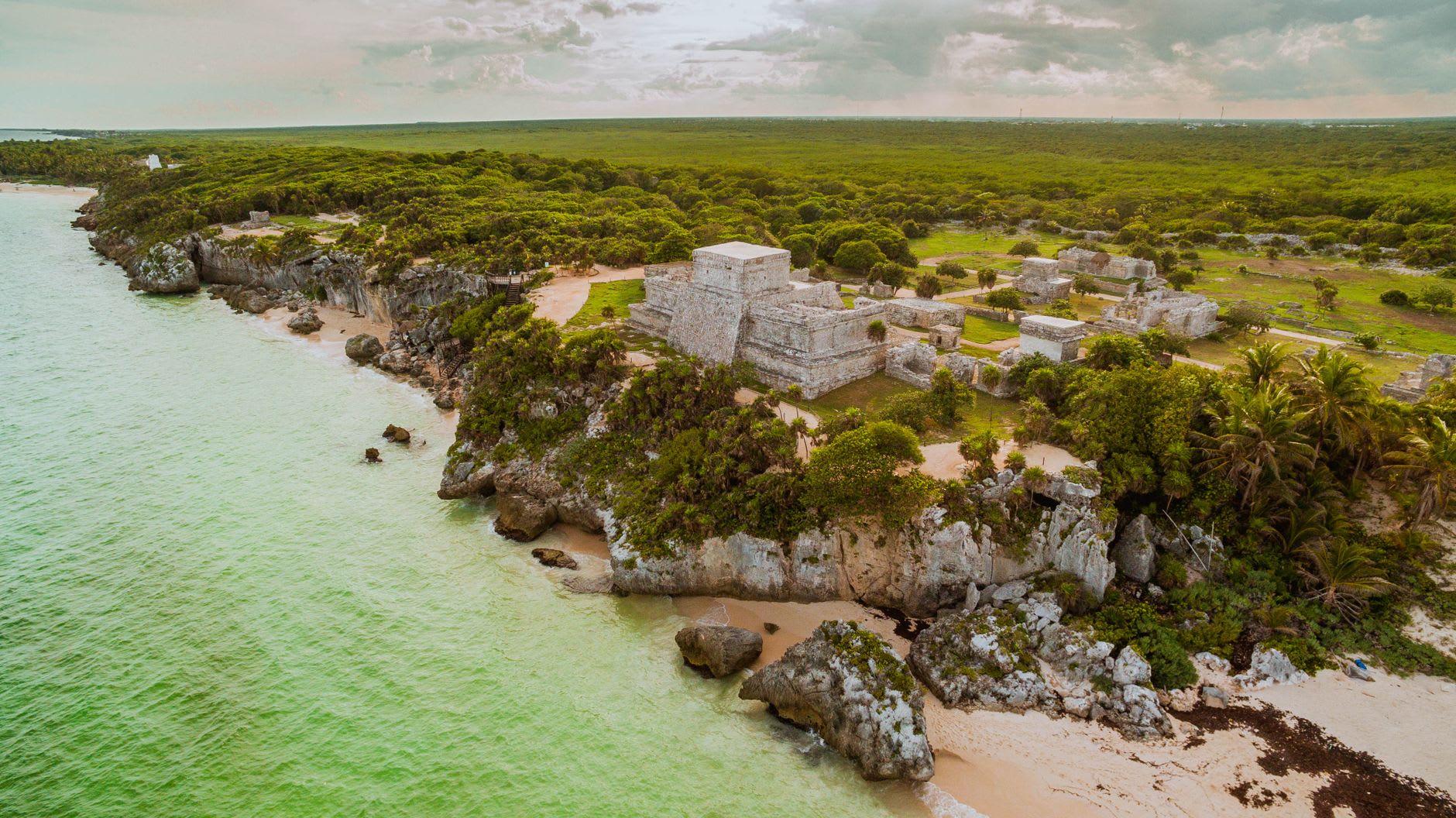
- Ancient Mayan culture: Cliff-top ruins overlooking the sea, nearby archaeological sites like Cobá, and a living Maya community enrich everyday life in ways that are genuinely hard to find elsewhere.
- Cenotes: Tulum sits above one of the world’s largest underground river systems. Swimming in the Gran Cenote, Dos Ojos, or Jardín del Edén becomes a regular weekend ritual for long-term residents.
- Community: A warm mix of Mexican locals, long-time expats, and seasonal visitors creates a welcoming, diverse social environment fuelled by yoga studios, organic restaurants, and arts spaces.
- Connectivity: Reliable internet in most neighbourhoods has made it a go-to hub for remote workers and digital nomads.
- Pace of life: Stress levels drop. The Caribbean has that effect on people.
Beyond the lifestyle, expats who stay long-term often become genuinely embedded in the community — learning Spanish, supporting local businesses, exploring lesser-known spots beyond the tourist trail. Activities like snorkelling in the cenotes or exploring the Sian Ka’an biosphere stop being tourist activities and become part of your regular rhythm.
Visas and Legal Status: What You Need to Know
One of the first practical questions every aspiring long-term resident faces is the visa situation. Mexico is more flexible than many people expect — but there are rules to follow, and it pays to understand them before you arrive.
Tourist Visa (FMM / Forma Migratoria Múltiple)
Most foreign visitors receive a tourist permit (FMM) upon entry, typically valid for up to 180 days. This is not a renewable permit — once your period ends, you must exit Mexico. Many “perpetual tourists” in Tulum have rotated on tourist permits for years via border runs to Belize or Cancun’s international airport, though this comes with increasing scrutiny from immigration authorities.
Temporary Residency (Residente Temporal)
If you plan to stay longer than six months continuously, or want legal peace of mind, Temporary Residency is the recommended path. It’s typically obtained via a Mexican consulate in your home country before arriving, and requires proof of sufficient income or savings. It’s valid for one year and renewable for up to four years.
Permanent Residency (Residente Permanente)
After four years on Temporary Residency — or immediately if you’re a retired person over 65 with qualifying income — you can apply for Permanent Residency, which has no renewal requirements and grants broader rights including the ability to work in Mexico.
Visa Snapshot: At a Glance
| Status | Duration | Work Rights | Best For |
|---|---|---|---|
| Tourist Permit (FMM) | Up to 180 days | No | Short-term stays, exploratory visits |
| Temporary Residency | 1–4 years (renewable) | With work permit | Medium-term expats, remote workers |
| Permanent Residency | Indefinite | Yes | Long-term settlers, retirees |
For the most accurate and up-to-date immigration requirements, always verify with official Mexican government sources or consult a registered immigration attorney in Playa del Carmen or Cancun, the nearest major cities to Tulum with full immigration offices.
Neighbourhoods: Where to Live in Tulum
Tulum is not a single, uniform town — it’s a collection of distinct neighbourhoods, each with its own character, pace, and community. Choosing where to live will shape your entire expat experience.
Tulum Pueblo (Town Centre)
The authentic heart of Tulum. Tulum Pueblo is where Mexican daily life — markets, taco stands, pharmacies, hardware shops, government offices — carries on at its own unhurried pace. The main strip through town buzzes with local energy in the evenings. Rental prices here are the most affordable in town, and expats who want genuine immersion in Mexican community life consistently choose Pueblo. It’s also a 10-minute bike or car ride to the beach.
Zona Hotelera (Hotel Zone / Beach Strip)
The palm-lined road running parallel to the Caribbean shore, home to Tulum’s famous eco-chic boutique hotels, beach clubs, rooftop restaurants, and yoga studios. Living on the beach road is a dream come true — and priced accordingly. Long-term rentals exist but go fast. The vibe is sophisticated, wellness-oriented, and decidedly international. Playa Paraíso, at the southern end of the strip, is one of the most beautiful stretches of Caribbean beach on the Yucatán peninsula.
Aldea Zama
A planned residential and boutique-commercial zone sitting between the pueblo and the beach road, surrounded by jungle. Aldea Zama has emerged as one of the most popular choices for expats: paved roads, reliable utilities, a mix of houses and condos, grocery stores, and a growing selection of restaurants and coworking spaces. It strikes the balance between beach access and everyday convenience that many long-term residents are looking for.
La Veleta
An artsy, locally-rooted neighbourhood just south of Tulum Pueblo. La Veleta attracts creatives, long-term expats, and Mexican families who want something genuine. Rents are more affordable than Aldea Zama or the Zona Hotelera, and the neighbourhood has a growing food and coffee scene. A good choice for those who want character over polish.
Sac-Be Road Area
A quieter residential corridor between the pueblo and the beach, with a mix of jungle homes and smaller posadas. The Sac-Be area feels removed from the tourist bustle, with easy access to both the beach road and Tulum Pueblo by bike. Popular with expats who want space and quiet without committing to life in the hotel zone.
Practical Life: Healthcare, Banking, and Day-to-Day Living
Healthcare
Tulum has a functional healthcare system for a town of its size. There are private clinics, an IMSS general clinic, a Cruz Roja station, and several specialist doctors. For complex or serious medical needs, most expats travel to Playa del Carmen (about 45 minutes north) or Cancun (about 1.5 hours), where private hospitals with international standards are available. Private international health insurance is strongly recommended for long-term expats — it’s not the local infrastructure that fails, but the coverage of complex scenarios.
Banking
Several ATMs are available in town (BBVA, Santander, Banamex), though they can run out of cash during peak season. Opening a Mexican bank account as a foreigner requires a valid RFC (tax ID) and residency documents — it’s doable but takes time. Many long-term expats manage with a combination of international debit cards and periodic cash withdrawals, supplementing with card payments at larger businesses.
Internet and Connectivity
Internet quality has improved dramatically in recent years. Aldea Zama, Tulum Pueblo, and increasingly the Zona Hotelera have solid fibre or cable options. Telmex and Totalplay are the main providers; speeds of 50–100 Mbps are achievable in most residential areas. Coworking spaces have appeared across town — a great resource for digital nomads in the first weeks before a permanent setup is established.
Language
While English is spoken in many tourist-facing businesses along the beach road, daily life in Tulum Pueblo and most residential areas runs in Spanish. Expats who make even a modest effort to learn Spanish will find their quality of life and social integration improves dramatically. Local Spanish classes are available in town, and immersion is the fastest teacher.
Getting Around
Most of Tulum is navigable by bicycle, colectivo (shared van along Highway 307), taxi, or on foot if you live close to the beach. Renting or owning a scooter or car is helpful for exploring further afield — including the cenotes, the Sian Ka’an biosphere reserve, or day trips to Cobá ruins (45 min), Playa del Carmen (45 min), or Bacalar’s lagoon of seven colours (3 hours). ADO buses connect Tulum to Cancun, Playa del Carmen, and beyond on a regular schedule.

Building a Life: Culture, Community, and What to Expect
The Expat Community
Tulum has a tight-knit but welcoming expat community spanning North Americans, Europeans, and South Americans. Facebook groups, local events, beach meetups, and shared coworking spaces make it easy to connect. Many expats find their social circle established within the first few weeks — the pace of life here invites conversation and connection.
Engaging With Local Culture

One of the most rewarding parts of long-term life in Tulum is the opportunity to engage deeply with Mayan heritage and Caribbean culture. Participating in a temazcal ceremony guided by a local curandero, taking a cooking class focused on Yucatecan cuisine, or joining a guided tour of the Tulum archaeological zone — these aren’t just tourist activities. For long-term residents, they become pathways into deeper understanding and lasting friendships with local families.
Wildlife and Environment
Living alongside Tulum’s extraordinary biodiversity is one of the privileges of long-term residency. Sea turtle nesting season runs from May through October along the Caribbean coast; Akumal, just 30 minutes north, offers year-round wild sea turtle encounters in the water. The Sian Ka’an UNESCO biosphere reserve, directly south of Tulum, shelters manatees, crocodiles, flamingos, jaguars, and hundreds of bird species across its mangrove lagoons and tropical forest. Respecting and supporting these ecosystems is part of the responsibility that comes with calling this place home. Learn more about conservation efforts through CONANP (Comisión Nacional de Áreas Naturales Protegidas).
What Long-Term Expats Wish They Knew Earlier
- Spanish is non-negotiable for real integration — start before you arrive if possible.
- The rainy season (June–October) brings humidity, mosquitoes, and occasional flooding on jungle roads. Invest in good screens and a reliable vehicle.
- Building trust with local vendors, landlords, and service providers takes time — patience is your most valuable asset.
- Your rental agreement should always be in writing, even for short-term arrangements.
- The dry season (November–May) brings peak tourism, international events, and an explosion of social activity — prices spike too, so budget accordingly.
- Power outages and water interruptions are occasional realities — a small generator and a tinaco (water tank) go a long way.
- Cenote access can be crowded at peak hours. Locals go early morning on weekdays — adopt that habit quickly.
“I came to Tulum for two weeks and stayed for three years. The first thing that surprised me was how quickly it felt like home — not because it’s easy, but because people here genuinely welcome you if you show up with respect and curiosity. Swimming in the Gran Cenote on a quiet Tuesday morning before the tour groups arrive was the moment I knew I wasn’t going back.”
— James R., Canadian expat, Aldea Zama resident since 2022
Expat Life by Season
| Season | Months | What to Expect | Best Activities |
|---|---|---|---|
| Dry Season | Nov – May | Low humidity, clear skies, peak tourism | Snorkelling, cenotes, ruins, beach clubs, social events |
| Rainy Season | Jun – Oct | Daily afternoon rains, lush jungle, fewer tourists | Turtle nesting, Sian Ka’an, mangrove kayaking, local festivals |
| Shoulder Period | Nov, May | Transition months with mixed weather | Ideal for exploring, settling in, meeting locals at lower prices |
Frequently Asked Questions: Living Long-Term in Tulum
Is Tulum safe for long-term expats?
Tulum is considered relatively safe for expats compared to many parts of Mexico. The main expat neighbourhoods — Aldea Zama, La Veleta, Tulum Pueblo, and the Zona Hotelera — have consistent expat presence and good community awareness. Like anywhere, common-sense precautions apply: avoid displaying valuables, stay aware of your surroundings at night, and build relationships with trusted locals who can guide you on neighbourhood nuances. Our team recommends connecting with established expat communities on arrival to get current, first-hand safety tips.
Can I work remotely from Tulum?
Absolutely. Internet connectivity has improved significantly, and the town has a thriving digital nomad community with coworking spaces, cafés with reliable WiFi, and a supportive remote-work culture. Aldea Zama and Tulum Pueblo have the most consistent broadband options, and backup mobile data plans (Telcel or AT&T Mexico) are affordable and effective for those occasional outages.
What is the best neighbourhood for expats in Tulum?
It depends on your lifestyle and budget. Aldea Zama is great for convenience, jungle ambiance, and community. The Zona Hotelera suits those wanting beach access and a wellness-oriented lifestyle. Tulum Pueblo offers the most authentic Mexican experience and lowest rents. La Veleta appeals to creatives and those wanting a local flavour. The Sac-Be corridor is quiet and residential. Most long-term expats recommend renting short-term in different zones before committing to a long-term lease.
Do I need to speak Spanish to live in Tulum?
You don’t need it on day one, but it quickly becomes essential for quality of life. The beach road and tourist-facing businesses have English speakers, but navigating healthcare, official paperwork, landlord relationships, and genuine local integration all require at least conversational Spanish. Most expats pick it up fairly quickly given the immersive environment in Tulum Pueblo and residential areas.
How do I get Mexican residency?
The standard path starts at a Mexican consulate in your home country, where you apply for a Temporary Residency visa. You’ll need to demonstrate sufficient financial means (income or savings). Once in Mexico, you convert it to a residency card (tarjeta de residencia) at the local INM office in Playa del Carmen or Cancun. After four years, you can apply for Permanent Residency. Requirements and income thresholds are updated periodically — verify with official sources before applying.
What should I budget for housing in Tulum?
Rental options range widely depending on neighbourhood, size, amenities, and proximity to the beach. Long-term rentals (3+ months) are significantly more favourable than short-term vacation rates. The Zona Hotelera and Aldea Zama command premium rates; Tulum Pueblo and La Veleta offer more affordable options. It’s always recommended to rent short-term first before committing to a long lease, as the market moves quickly and neighbourhood character matters enormously day-to-day.

Is Tulum the Right Long-Term Home for You?
There’s no single profile of a Tulum expat — they’re retirees and remote workers, yogis and archaeologists, foodies and naturalists. What most share is a love of the unconventional and a willingness to embrace a life that doesn’t follow the expected script. If that sounds like you, Tulum may well be the place you’ve been looking for without knowing it.
The best way to test the waters? Come for a few weeks, explore all the corners — from the ancient cliff-top ruins overlooking the Caribbean to the turquoise depths of Gran Cenote and the wild lagoons of Sian Ka’an — and let the place speak for itself.

Information may change; please confirm schedules, regulations, and availability before booking. For legal, environmental, or safety matters, consult local authorities or official sources. For immigration requirements, always check with the official Mexican immigration authority (INM) or a licensed attorney. Contact us for current tour availability and bookings.
Useful Resources
- Visit Mexico – Tulum, Quintana Roo
- SEMARNAT – Mexico’s Environment and Natural Resources Secretariat
- CONANP – Comisión Nacional de Áreas Naturales Protegidas
Follow us for daily updates, local tips, and travel inspiration from Tulum:
Subscribe to our newsletter for seasonal guides, new tour launches, and expat tips delivered straight to your inbox.
auto_awesome Continue exploring Tulum
You Might Also Like
 article Adventures calendar_today Nov 26, 2025
 Tulum First-Timer’s Guide: Plan Your Perfect Trip
Welcome to Tulum, where ancient Mayan ruins crown Caribbean cliffs, crystal-clear cenotes beckon beneath the jungle, and
 article Adventures calendar_today Apr 2, 2026
 4 Days in Tulum: A Chapter-by-Chapter Itinerary for Travelers Who Want More
Four well-used days in Tulum: the Mayan ruins at sunrise on Day 1, cenotes and jungle on Day 2, snorkeling with sea turt
 article Adventures calendar_today Mar 3, 2026
 Tulum for LGBTQ+ Travelers: Your Complete Guide to an Inclusive Adventure
Tulum has long been celebrated for its ancient Mayan ruins, crystalline cenotes, and eco-chic Caribbean coast — but ther