4 Days in Tulum: A Chapter-by-Chapter Itinerary for Travelers Who Want More
Four days is the number. Not three, which leaves you feeling like you barely scratched the surface. Not seven, which requires an organizational commitment most people don't have. Four well-used days are enough to watch a sunrise from a Mayan cliff-top temple, swim in a cenote that glows in total silence, snorkel alongside wild sea turtles and eat real tacos at a street stand where nobody is performing tourism for you. Enough, too, for the place to convince you to come back.
This guide is organized the way a trip should be: not as a list of places to check off, but as four chapters of a story that makes sense to read in order.

Before You Start: Three Decisions That Define the Trip
Some things are worth sorting before you arrive so you don't lose hours of the first day.
Where to stay?
Your neighborhood choice sets the tone for the whole trip. Zona Hotelera (the beach strip) is for those who want direct beach access and the eco-chic jungle-meets-sea vibe that defines modern Tulum. Tulum Pueblo (the town center) is for travelers who want local prices, taco stands and real street life. Aldea Zama is for couples and families who want boutique comfort in a quieter jungle setting halfway between beach and town. La Veleta is the emerging artsy zone with smaller guesthouses and a creative, low-key crowd. There is no right answer — only yours. Browse accommodation options in Tulum to find what suits your style.
What to book before arriving?
Tours with limited capacity sell out fast in high season: cenote tours, Sian Ka'an biosphere excursions and early-morning ruins access go days in advance during December through April. Most other activities can be organized with 24 hours' notice. But if you're traveling over Christmas, New Year, Easter Week or in February, book everything from home.
How to get around?
The colectivos (shared minivans) run along Highway 307 between Tulum Pueblo and the surrounding towns for less than a dollar. Taxis exist but always agree on a price before getting in — there are no meters. Bicycles are genuinely useful for getting between the pueblo and the Zona Hotelera. For day trips to Cobá, Chichén Itzá or Bacalar, organized tours are almost always more comfortable and economical than going independently.
Chapter 1: Day One — Reading the Place Before Acting
Day 1 is not for doing things. It is for understanding where you are.
Early Morning: The Ruins Before the Crowds
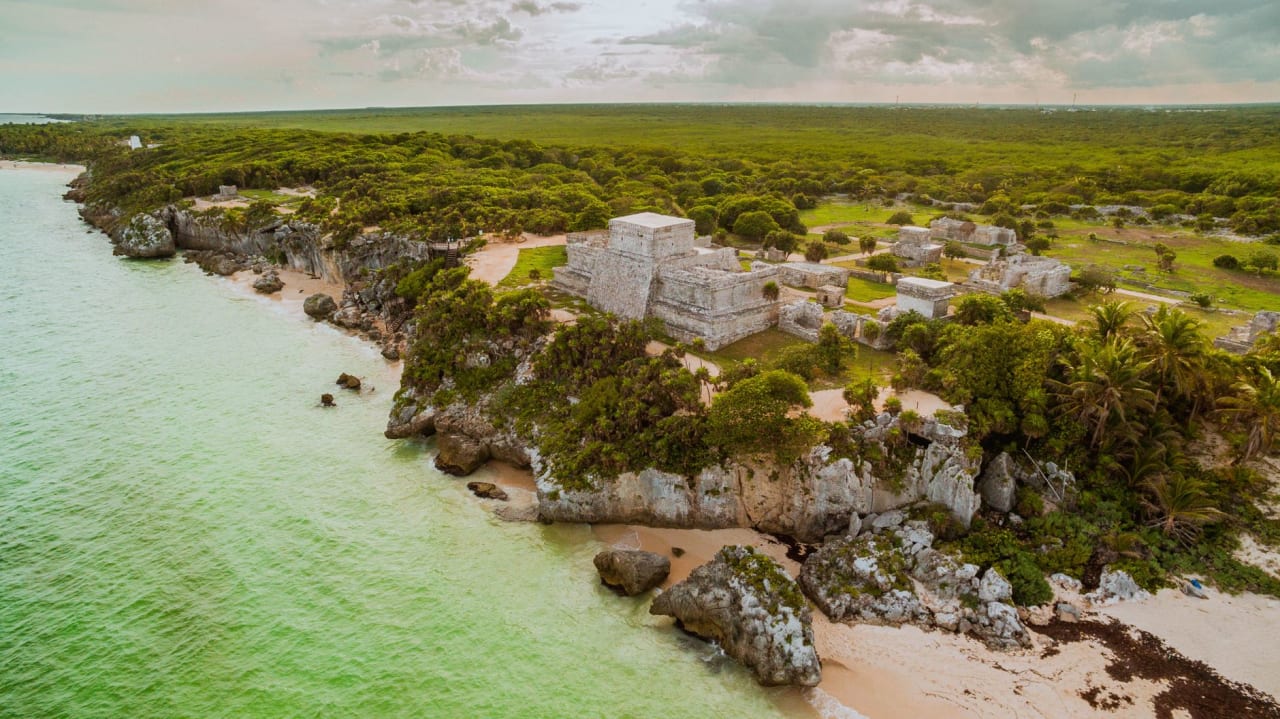
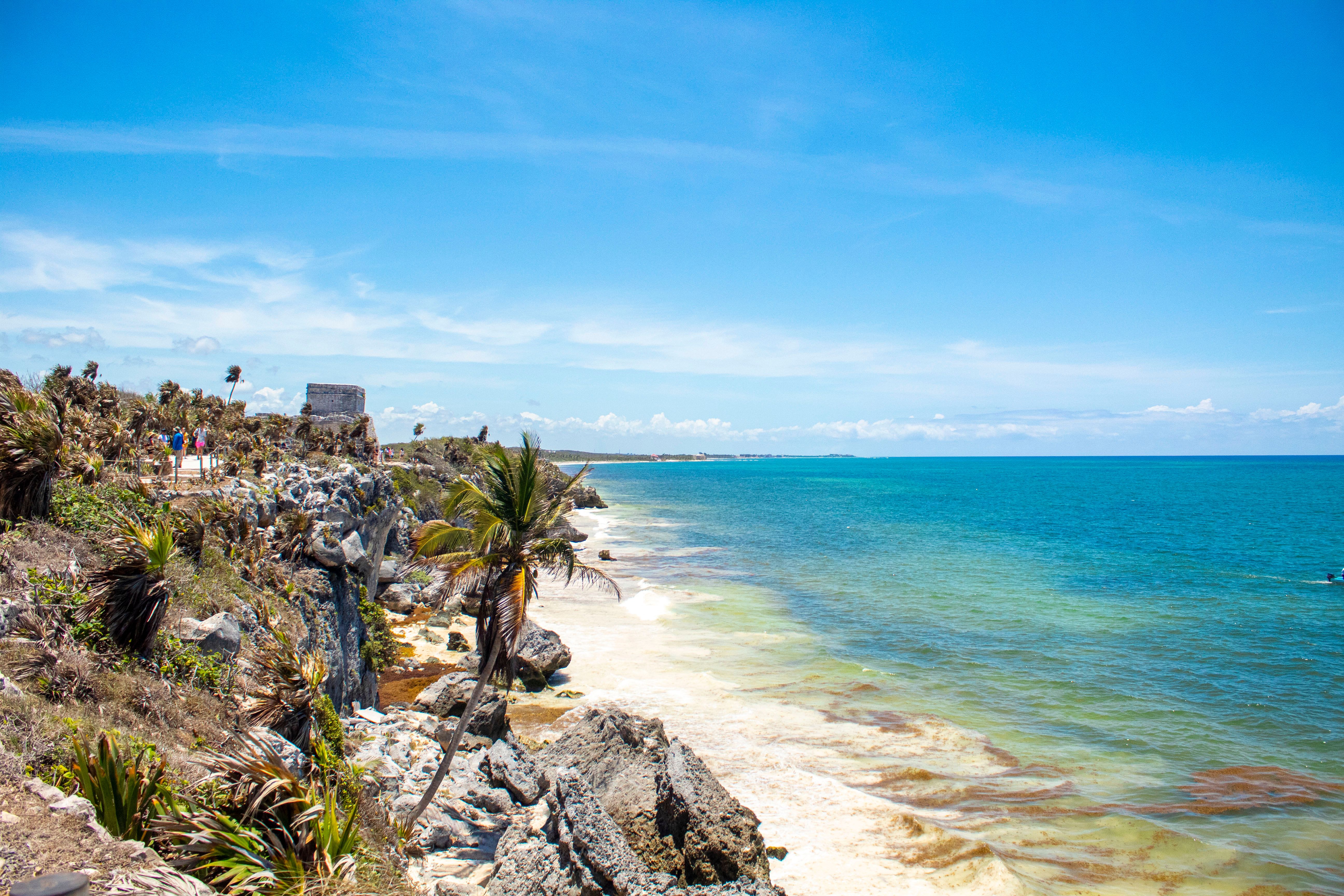
If you arrive the night before (the ideal), set your alarm before dawn and get to the Tulum Archaeological Zone for opening. The site opens at 8 a.m., but the light in those first forty minutes — warm orange raking across limestone temples above an impossible turquoise sea — is not replicated at any other hour. By 10 a.m. the site is crowded. The difference between arriving at 8 and arriving at 10 is the difference between a private experience and a queue.
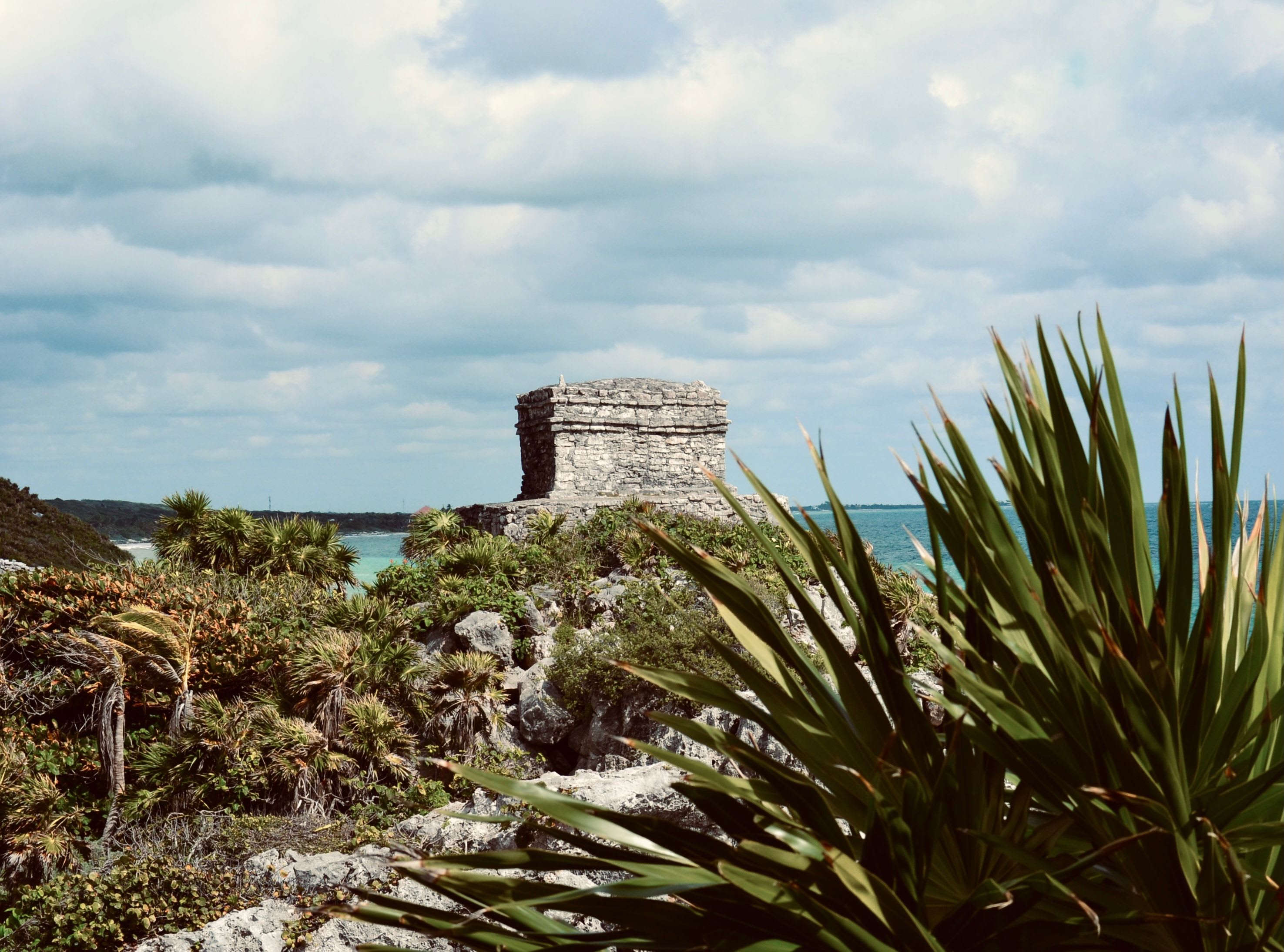
The El Castillo pyramid and the Temple of the Frescoes are the headline structures. But walk to the northern end of the site and look down at the small cove below the cliffs — that beach (Playa Ruinas) is accessible and one of the most photographed spots in Mexico for good reason.
Morning: Playa Paraíso and the First Contact with the Caribbean
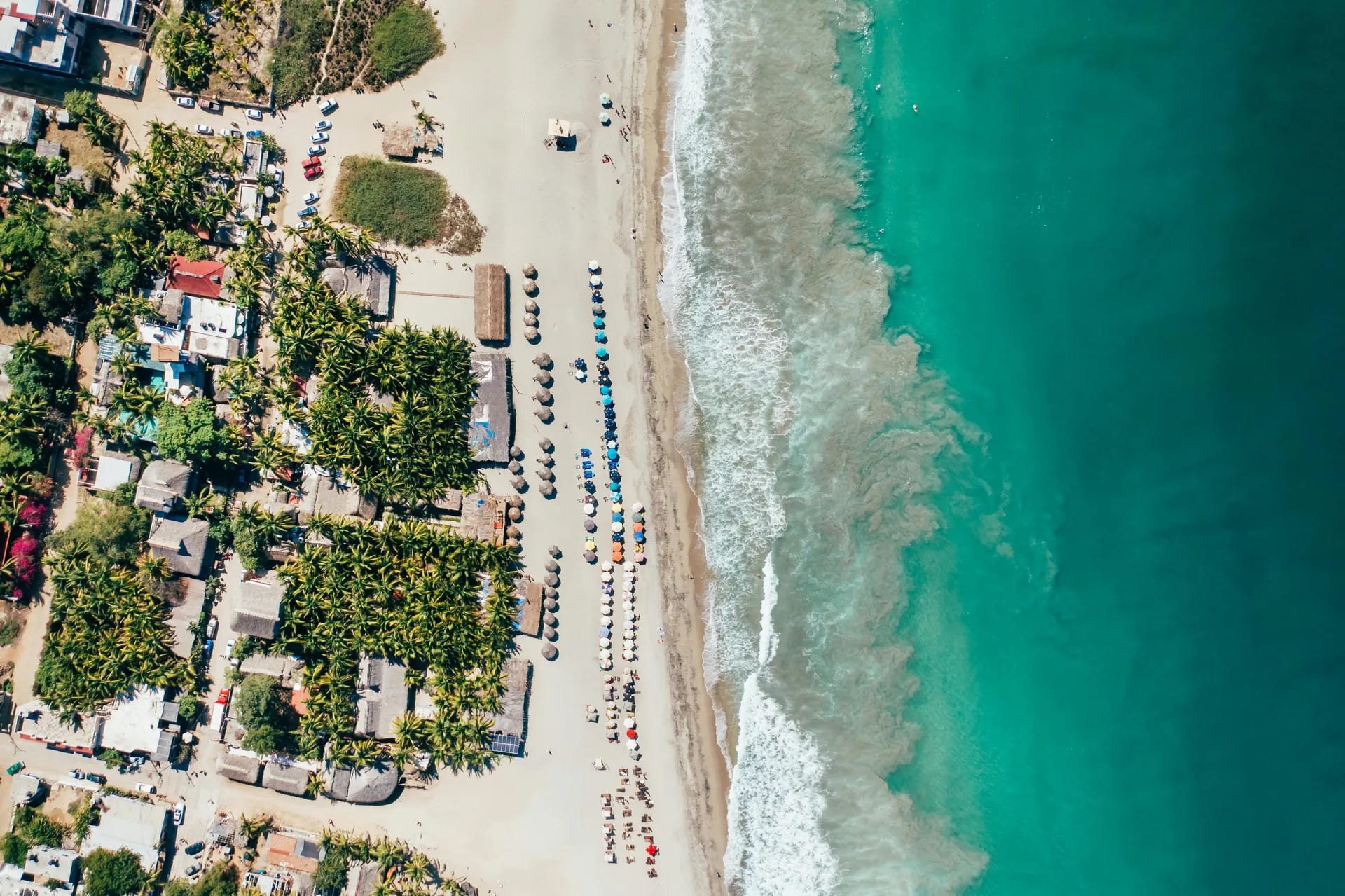
After the ruins, walk or cycle south along the beach road to Playa Paraíso. The Caribbean here is everything the name promises — turquoise, warm, calm and shallow enough to walk far out. This is the most swimmable stretch of beach in the Zona Hotelera. The coral reef that runs parallel to the coast keeps large waves out; you swim in what feels like a natural pool with perfect visibility.
The shallow rocky areas near the reef hold parrotfish, sergeant majors and in lucky moments, hawksbill sea turtles grazing on seagrass. If you want to reach the richer reef sections with a guide, save the Tulum reef snorkeling tour for Chapter 3.
Afternoon: Tulum Pueblo — The Town With Its Own Pulse
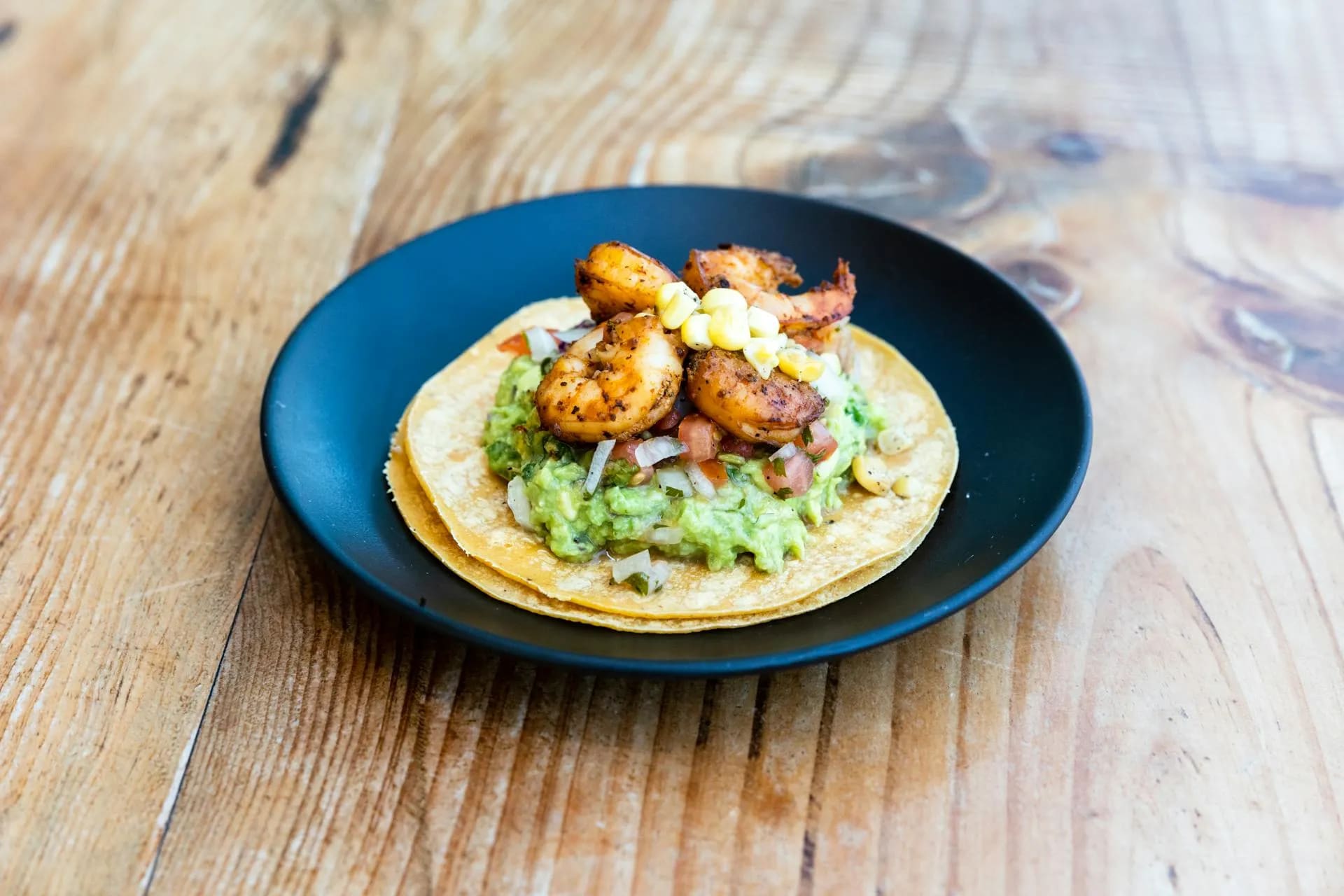
Spend the afternoon in Tulum Pueblo, the actual town that exists alongside (and often beneath the notice of) the famous hotel strip. The main street through town has good taquerias, mezcal bars, local market stalls and bakeries that have nothing to do with the wellness-industrial complex a few kilometers away on the beach road. Have a late lunch at a taqueria where the menu is chalked on a board and the pastor is carved at the table.
Evening: Night Market and the First Local Dinner

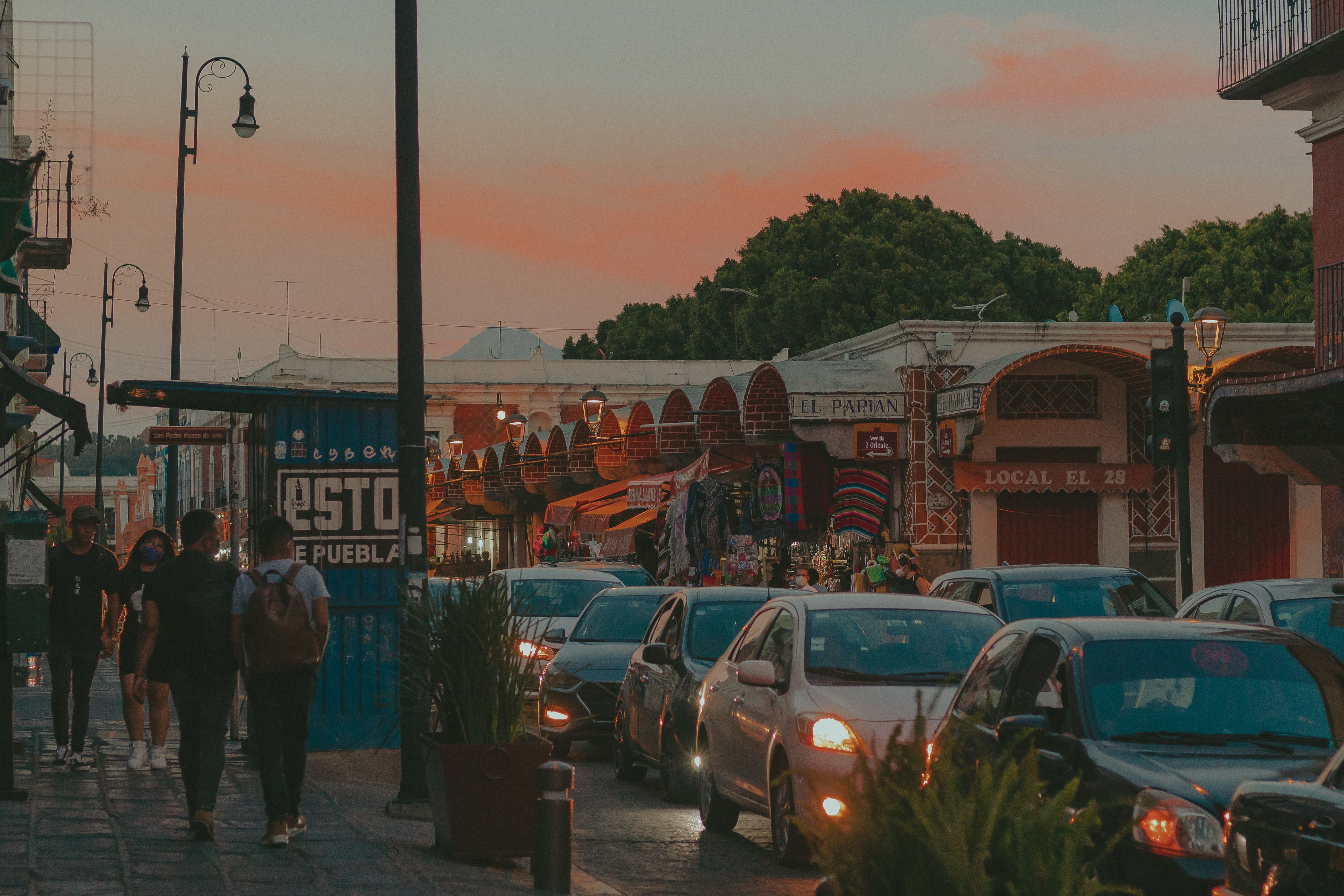
In the evening, head to the El Camello night market area in the pueblo. Food stalls, artisan vendors, musicians and local families make this the most living version of Tulum outside the curated hotel zone. Have dinner here — not at a restaurant with a manifesto on the menu, but at one of the stalls where your plate arrives in under five minutes and costs less than five dollars. Order the fish tacos and consider that you're on the Caribbean coast.
Chapter 2: The Cenote Day — Underground Water from Dawn to Dusk
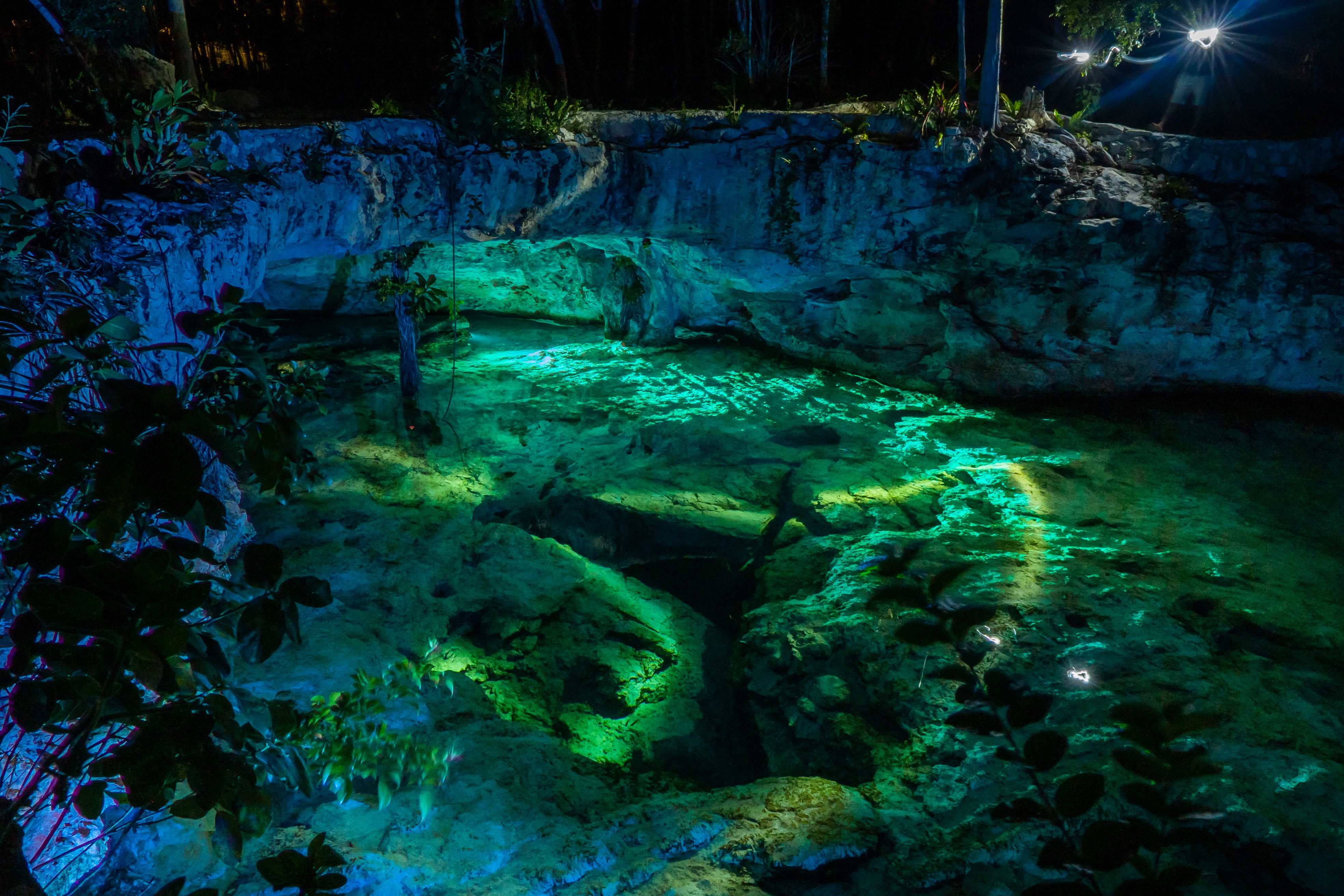
The second chapter of the trip unfolds almost entirely underground and in the jungle, away from the beach entirely. Cenotes — freshwater sinkholes formed when limestone collapses into underground rivers — are what make the Yucatán Peninsula unlike anywhere else on earth. On Day 2, you go as deep into that world as four days allow.
Morning: Gran Cenote Before the Tour Buses
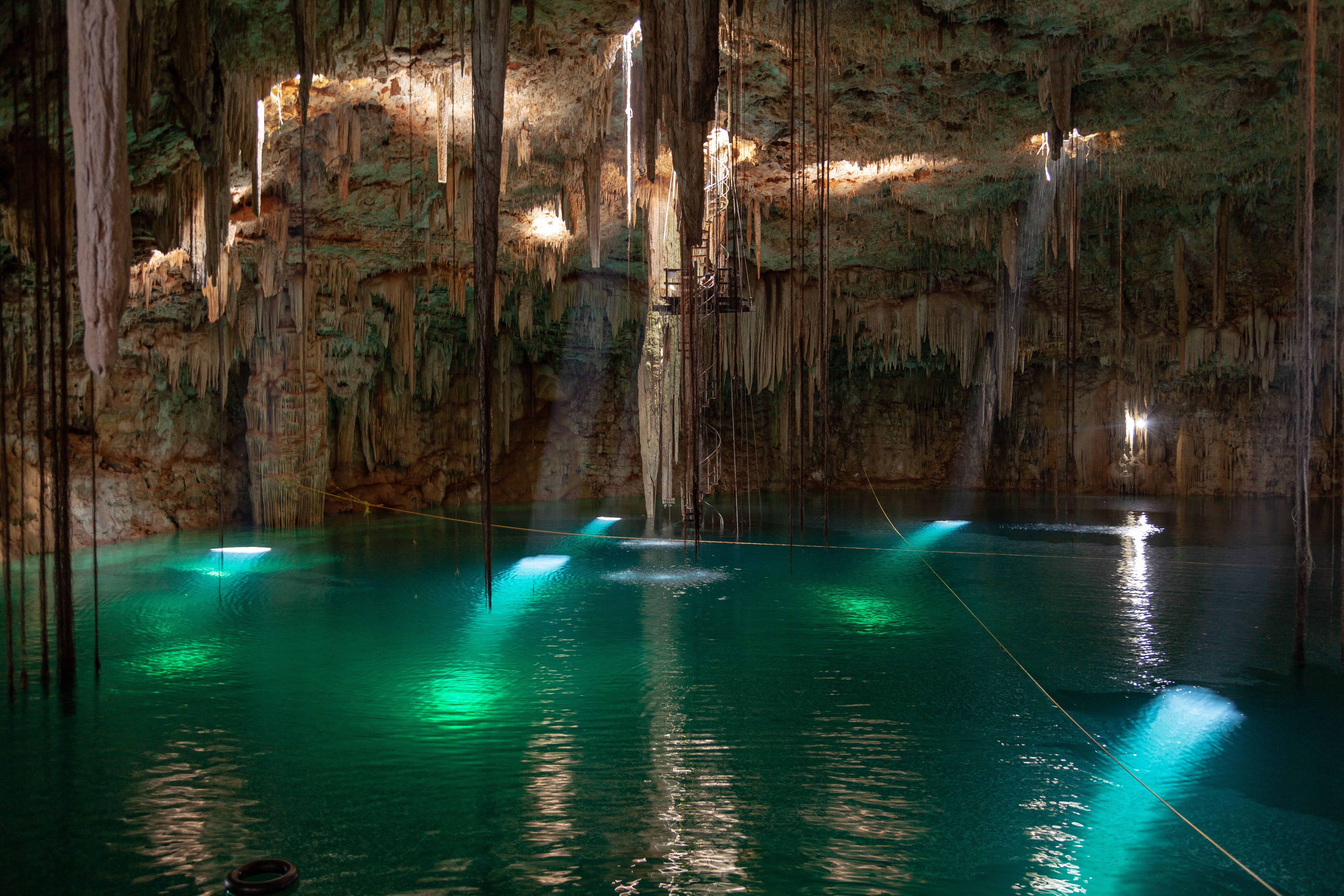
Leave before 9 a.m. Gran Cenote, just four kilometers west of Tulum Pueblo on the road toward Cobá, is one of the most beautiful freshwater environments in Mexico — and one of the most visited. The difference between arriving at 9 and arriving at 11 is the difference between swimming in silence beneath stalactites and sharing the water with thirty snorkelers. Get there early.
Bring your own mask and snorkel if you have them — visibility in the cenote is typically over twenty meters. The underwater cave network at Gran Cenote connects to one of the longest submerged river systems in the world. You don't need to be a cave diver to appreciate it: the open chambers are extraordinary enough.
Midday: Dos Ojos — The Cave Snorkeling Experience
A few kilometers further on the same road lies Dos Ojos — named for the two circular openings ("two eyes") that give access to one of the most extensive flooded cave systems in the Riviera Maya. The experience here is different from Gran Cenote: darker, longer, more immersive. A guide takes small groups through cavern passages where your headlamp beam is the only light and the ceiling thirty centimeters above the waterline is solid rock covered in formations that took a million years to grow.
Book the Dos Ojos cenote experience — includes guide, snorkel gear and a passage through both the cavern and the open-air chamber known as the Bat Cave.
Afternoon: Cenote Azul or Jardín del Edén — Swim with Turtles
For the afternoon, choose between Cenote Azul (a wide open-sky cenote perfect for swimming and relaxing, with resident freshwater turtles basking on the rocks) or Jardín del Edén, a larger open cenote north of Tulum near Puerto Morelos that has enough space to genuinely swim laps in water so clear you can read the markings on the rocks six meters down.
Both are low-key and local-priced — the opposite of the curated cenote experiences at resort packages. Go in the afternoon when the daylight angle turns the water every shade of blue at once.
Chapter 3: The Caribbean Day — Reefs, Sea Turtles and Sian Ka'an
The third chapter belongs to the sea and the wilderness that begins where the hotel strip ends. Day 3 is for moving beyond the beach — into the water and south into the Sian Ka'an biosphere, one of UNESCO's most important protected areas in the Americas.
Morning: Snorkeling with Sea Turtles at Akumal
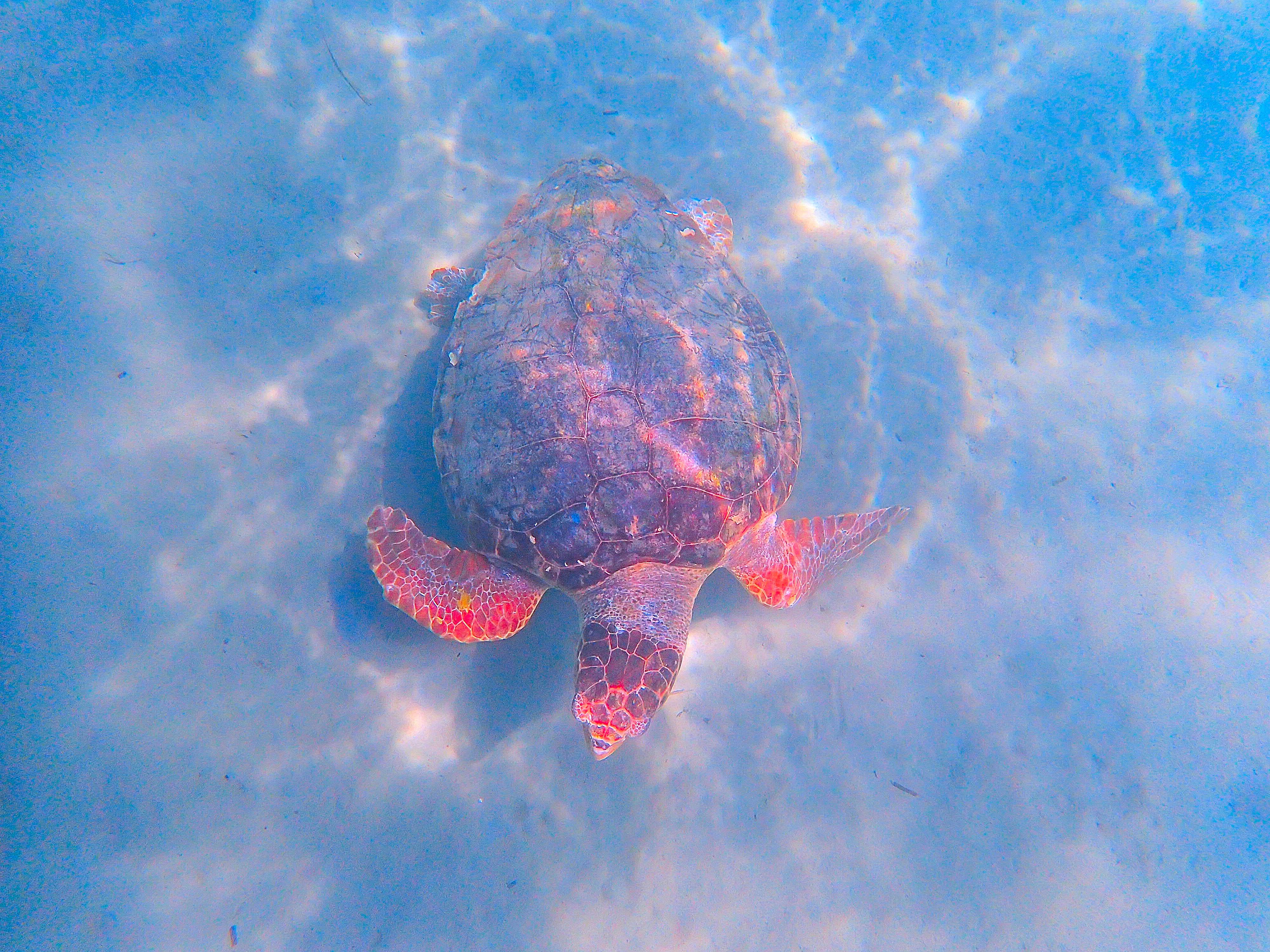
Thirty minutes north of Tulum, the bay at Akumal has one of the most accessible wild sea turtle encounters in the world. Green sea turtles come here year-round to graze on the seagrass beds in shallow water — depths of two to four meters, calm Caribbean conditions, no boat required. You swim with them, not to them: the turtles are wild, feeding, and pay tourists only the indifference they deserve. Which somehow makes the encounter more powerful.
Book the Akumal sea turtle snorkel tour — includes guide, snorkel gear and transport from Tulum. Morning departures have the highest probability of long encounters.
Midday: Reef Snorkeling on the Mesoamerican Barrier Reef
Tulum sits adjacent to the Mesoamerican Barrier Reef — the second-largest coral reef system in the world. The sections accessible by boat from the Tulum coast hold eagle rays, nurse sharks, midnight parrotfish and moray eels in a density that surprises even experienced snorkelers. To reach the best sections, away from the beach shore, the reef snorkeling tour departs from the Zona Hotelera boat launch and pairs naturally with the morning turtle experience.
Afternoon: Sian Ka'an Biosphere and the Mayan Canals
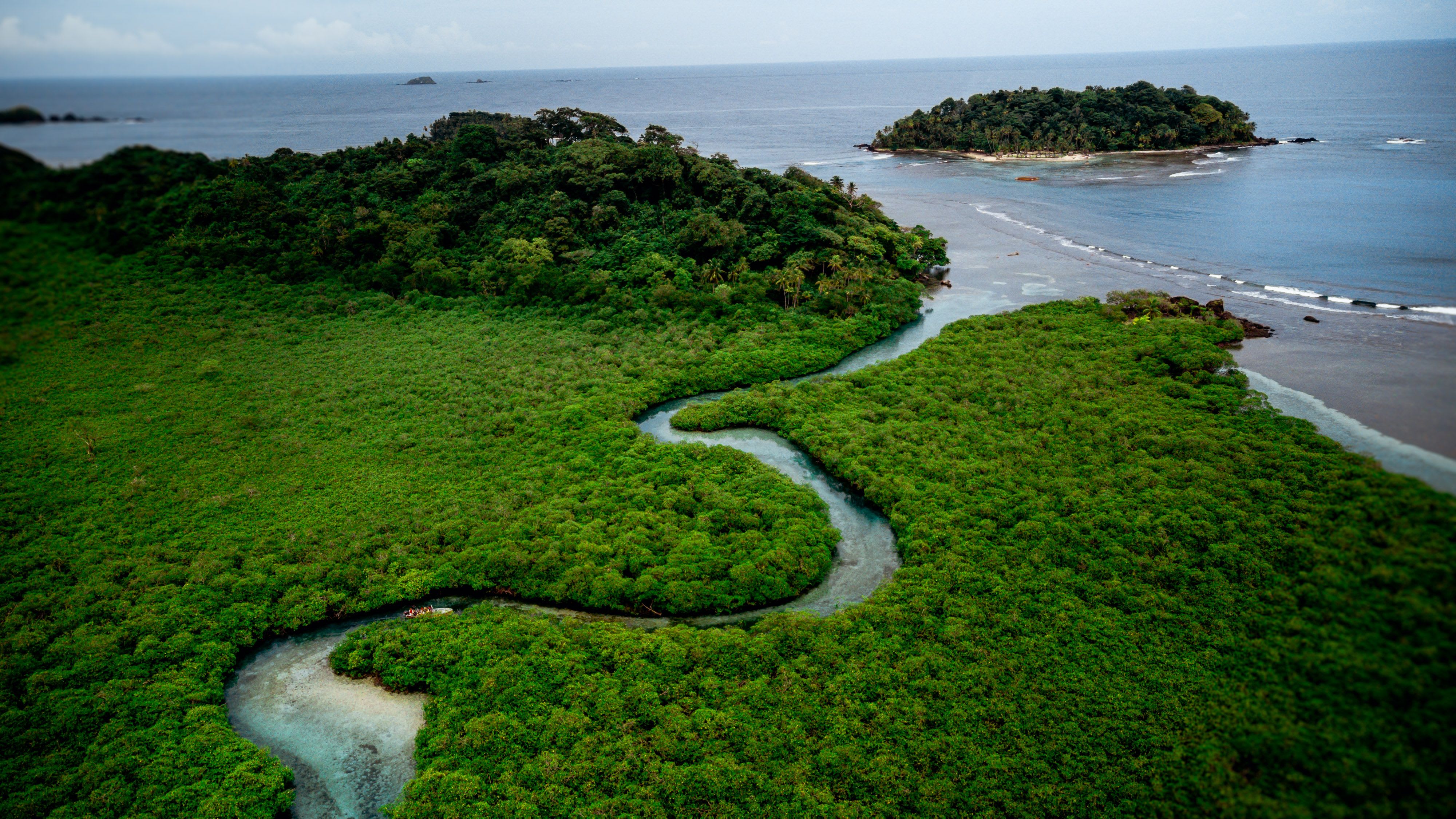
South of the Tulum hotel strip, the road ends at the edge of the Sian Ka'an UNESCO Biosphere Reserve — 5,000 square kilometers of mangroves, lagoons, tropical forest and coastline that the Yucatán government has kept off the development track for decades. Inside: manatees, crocodiles, flamingos, jaguars (rarely seen but documented), and a network of ancient Mayan canals that were used to move goods across the peninsula before any road existed.
Book the Sian Ka'an boat tour — includes the Mayan canal float, snorkeling in the biosphere lagoon, birdwatching and a local guide who knows the system the way fishermen know tides. Limited capacity; book at least two days in advance.
Night: Dinner in the Zona Hotelera Jungle
After the biosphere, the Zona Hotelera's jungle restaurant strip makes more sense. These are places built into the forest between the beach road and the coast — open-air, thatched-roof, candlelit — with menus that lean heavily on local fish, organic produce and the vegan-forward cuisine that Tulum has made its culinary identity. This is not cheap; it is, however, the most specific food experience this destination offers. One dinner here, chosen carefully, is worth doing.

Chapter 4: The Escape Day — Leaving the Radius to Understand the Context
The fourth chapter takes the trip out of Tulum to put it in perspective. On Day 4, the Yucatán Peninsula reveals ruins and landscapes that contrast sharply with the beach strip — and that change the way you understand what you have seen in the three previous days. Choose one of these two options based on your mood and energy level.
Option A: Cobá — The Jungle Pyramid You Can Still Climb
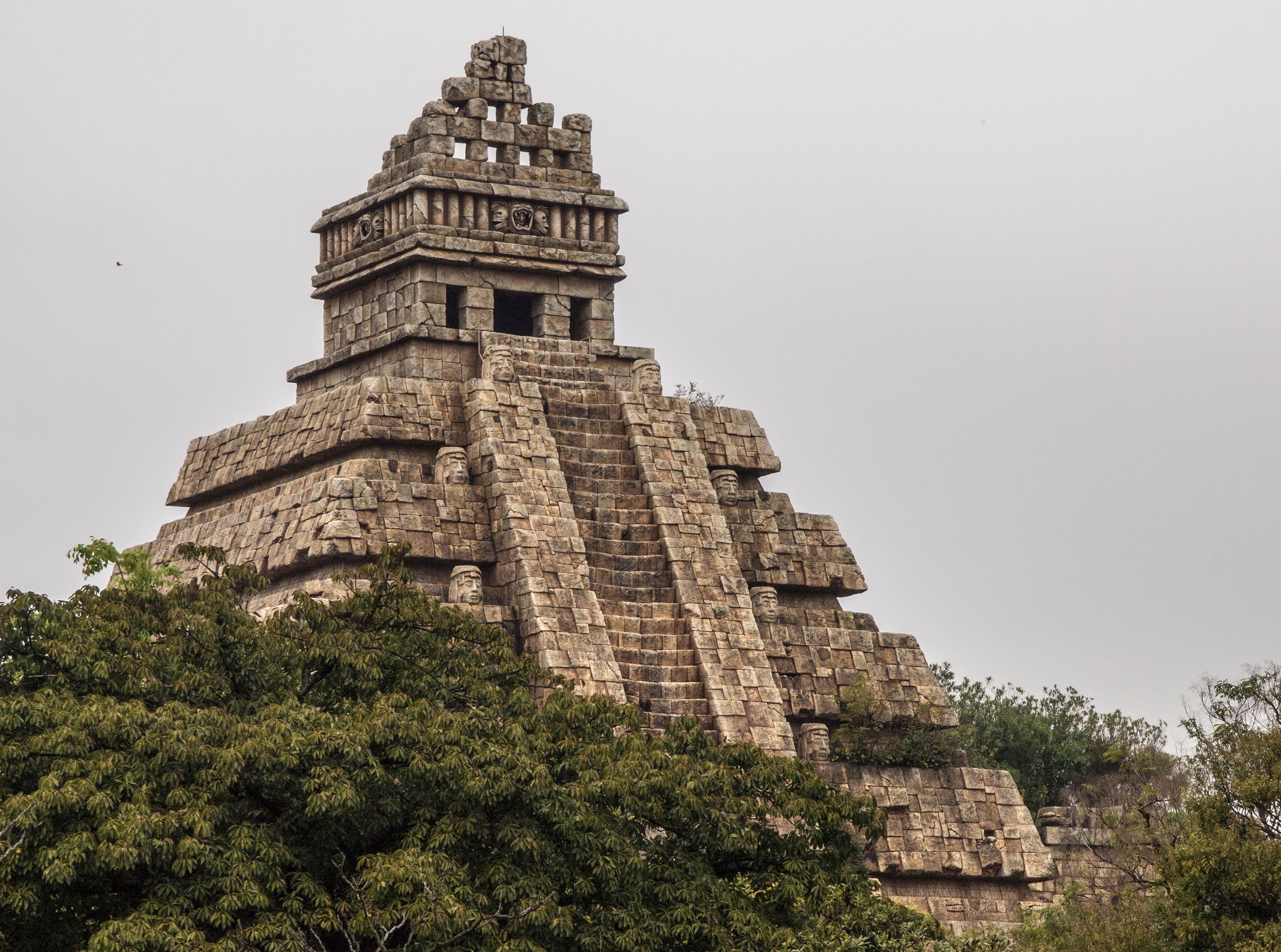
Forty-five minutes northwest of Tulum, the Cobá archaeological zone is everything Tulum's ruins are not: deep jungle, no sea view, and at the center of it all, a 42-meter pyramid — the tallest in the Yucatán Peninsula — that you can still climb to the top. From up there, the jungle stretches to every horizon without interruption. No road, no hotel, no building — just green canopy and the silence of a forest that has been absorbing centuries.
Cobá was once a city of over 50,000 people connected to distant cities by a network of sacbeob (raised white limestone roads). The site covers 70 square kilometers; rent a bicycle or hire a bicycle taxi at the entrance to cover ground efficiently.
Book the Cobá ruins day tour — includes transport, bilingual guide and time to explore at your own pace. You can also explore multi-day packages that combine Cobá with cenote visits.
Option B: Bacalar — The Lake of Seven Colors
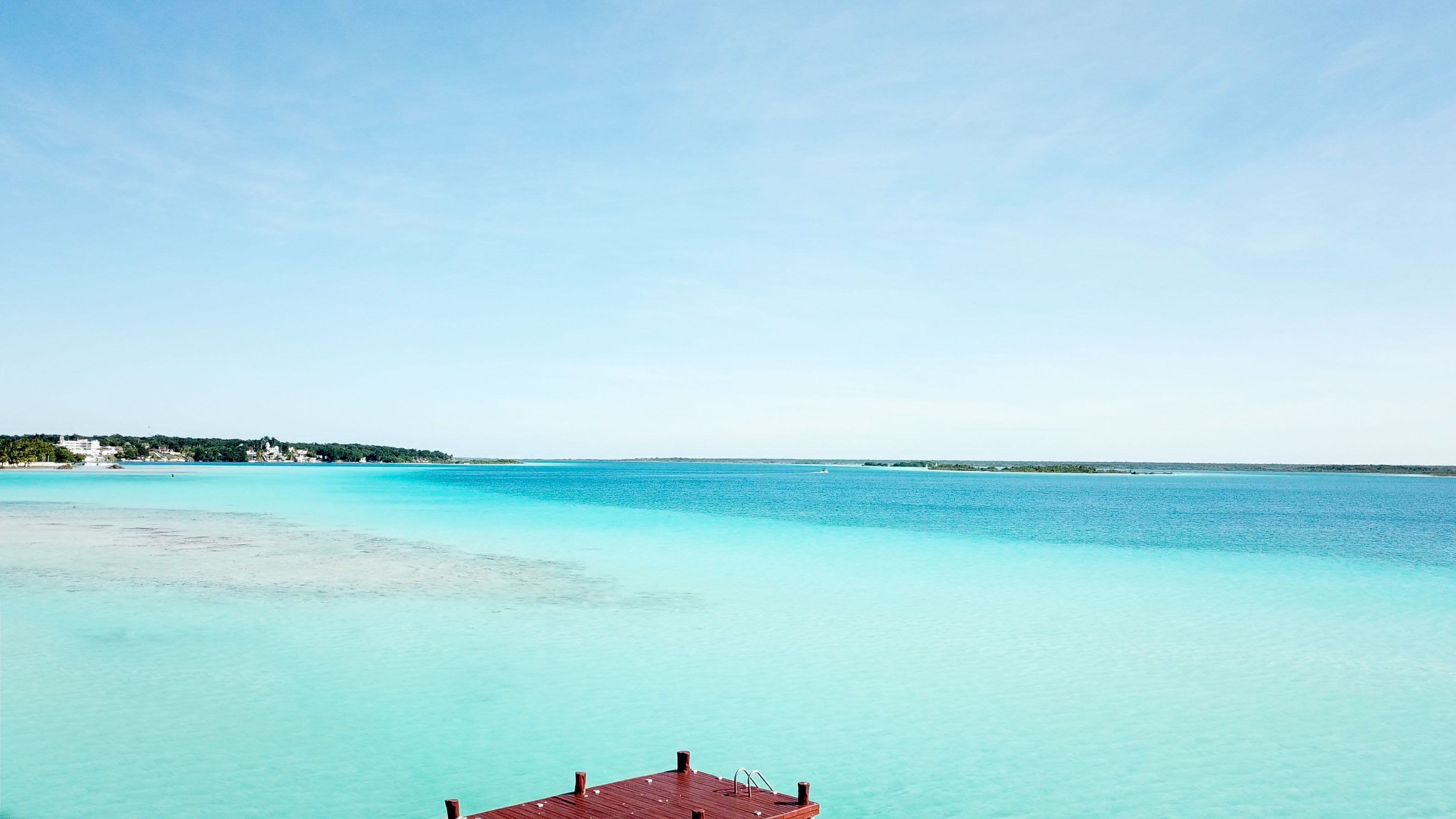
Three hours south, Bacalar is one of the most visually improbable places in Mexico. A freshwater lagoon 55 kilometers long, fed by underground cenote rivers, with water that shifts between seven distinct shades of blue and green depending on depth and time of day. The town on the western shore is small, colonial, unpretentious — restaurants on the waterfront, kayaks to rent by the hour, and a 17th-century Spanish fort that was built to keep pirates out of the lagoon trade routes.
Bacalar makes a long day from Tulum (the ADO bus takes about three hours each way) but it is one of those places that resets your calibration of what "beautiful water" means — even after three days on the Caribbean.
Book the Bacalar lagoon day tour — includes catamaran or boat on the lagoon, swimming stops, bilingual guide and transport.
If You Have One More Day: Four Experiences That Don't Fit in Four Days
The four chapters above cover the essentials. But if you can extend the trip by one day, these are the experiences that repeat visitors include on the second trip — and regret not having done on the first.
Casa Cenote and the Mangrove Float
Casa Cenote, near the northern end of the Tulum coast, is where an underground river surfaces and flows directly into the Caribbean — freshwater mixing with saltwater in a visible gradient you can actually swim through. The mangrove channels around it shelter juvenile fish, crocodiles and a birdlife density that rivals dedicated birding reserves. It is the single experience in Tulum that combines the most ecosystems in the smallest space.
Book the Casa Cenote and mangrove experience — includes snorkeling gear and guide through both the cenote and the mangrove network.
Chichén Itzá at Dawn
Two and a half hours northwest, Chichén Itzá is one of the New Seven Wonders of the World — and the reason most people have an image of a stepped Mayan pyramid in their mind. The site receives over two million visitors a year; the key is arriving before the tour buses. An early departure from Tulum gets you to El Castillo (the famous pyramid) in the first hour after opening, when the complex is navigable and the light is extraordinary.
Book the Chichén Itzá early-access tour — includes transport, certified guide and a cenote swim on the return.
Yoga and Cenote Meditation
Tulum's wellness infrastructure is genuinely world-class — not a marketing claim but a fact born from decades of attracting practitioners from across the world. Several cenotes in the area run private sunrise yoga and meditation sessions in or beside the water. The combination of underground acoustics, filtered jungle light and cool freshwater has no urban equivalent. Our team found the sessions at jungle-edge cenotes, away from the main tourist circuit, to be particularly powerful.
Browse wellness and yoga experiences in Tulum — including cenote meditation, sunrise sessions and multi-day retreats.
Holbox — The Island That Opted Out
Three hours north (bus to Chiquilá, then ferry), Isla Holbox has no cars, no paved roads and water shallow enough to walk a kilometer offshore. Between May and September, the waters around Holbox attract the largest concentration of whale sharks in the world — filter-feeding in the nutrient-rich Yucatán Channel. Swimming alongside a twelve-meter whale shark is the kind of animal encounter that people build entire itineraries around. This is it.
Book the Holbox whale shark tour — available May to September, limited daily permits. Book at least a week in advance in peak season.
What Gets Left Out of Every Itinerary

No itinerary can plan the best things that are going to happen to you in Tulum. The moment a cenote guide turns off his flashlight and you spend thirty seconds in absolute dark silence thirty meters underground. The taco al pastor from a cart outside the Chedraui that costs twelve pesos and tastes better than anything on the hotel strip. The hour at Playa Paraíso when the wind drops and the Caribbean goes mirror-flat and you understand why people keep coming back to this coast. Those things cannot be booked — they only happen if you leave space for them.
For deeper context on each specific activity, read our complete guide to cenotes, wildlife and the Caribbean coast of Tulum.
Frequently Asked Questions About the 4-Day Trip
When is the best time for this 4-day itinerary?
The itinerary works year-round, but the dry season (November–April) offers the most predictable weather and the best visibility for cenote snorkeling and reef diving. For whale sharks near Holbox, the trip must fall between May and September. The Caribbean sea turtle nesting season peaks May through October on nearby beaches. Cenote visits are excellent year-round — water temperature underground stays at around 24°C regardless of season.
Can this itinerary be done with children?
Yes, with minor adjustments. Gran Cenote and Cenote Azul are excellent for children — shallow entry points, clear water, and the freshwater turtles are an immediate hit with kids. The Akumal sea turtle snorkel works for confident swimmers from around age 8. The Cobá pyramid climb is steep but doable for older children; younger kids can explore the base and the jungle paths. Sian Ka'an boat tours are fine for most ages. The main thing to plan around is sun exposure — bring serious reef-safe sunscreen and a rash guard for everyone.
How much money do I need for 4 days in Tulum?
Depending on your travel style. In the mid-range — boutique guesthouse or modest hotel in Aldea Zama or the Pueblo, eating a mix of market meals and one restaurant dinner per night, organized tours for the main activities — a budget of 100–150 USD per person per day covers accommodation, meals and activities. The Zona Hotelera restaurants and beach clubs add up fast if you're not careful. Cenote entry fees are separate from tour costs; most range from 200–400 Mexican pesos. Check available stays to plan your accommodation budget.
Do I need to rent a car?
For most of this itinerary, no. Colectivos cover the pueblo and surrounding area efficiently, and organized tours handle transport for Cobá, Bacalar and Sian Ka'an. A bicycle or scooter is the best way to get between the Pueblo and the Zona Hotelera (about 4 km) without paying taxi prices multiple times a day. If you plan to explore cenotes independently or make spontaneous stops along the Cobá road, see our car and scooter rental guide.
Can I do Chapter 2 (cenotes) and Chapter 3 (Caribbean and Sian Ka'an) on the same day?
We do not recommend it. Cenotes from dawn plus a Sian Ka'an afternoon is logistically possible but emotionally rushed — both deserve full presence, and Sian Ka'an especially rewards people who arrive unhurried and leave late. The best travel memories are not accumulated — they are deepened. Give each chapter its own day and you will leave with four experiences you actually remember rather than eight you only photographed.
auto_awesome Continue exploring Tulum
You Might Also Like
 article Adventures calendar_today Nov 26, 2025
 Tulum First-Timer’s Guide: Plan Your Perfect Trip
Welcome to Tulum, where ancient Mayan ruins crown Caribbean cliffs, crystal-clear cenotes beckon beneath the jungle, and
 article Adventures calendar_today Mar 10, 2026
 Tulum Expat Guide: Everything You Need to Know About Living Long-Term
Tulum has quietly transformed from a well-kept secret into one of Mexico’s most compelling long-term destinations for ex
 article Adventures calendar_today Mar 3, 2026
 Tulum for LGBTQ+ Travelers: Your Complete Guide to an Inclusive Adventure
Tulum has long been celebrated for its ancient Mayan ruins, crystalline cenotes, and eco-chic Caribbean coast — but ther