
What Nobody Warns You Before Arriving in Tulum: The Mistakes That Ruin the Trip
Tulum is not a destination that forgives lack of preparation. Not in a dangerous way, but in the most frustrating way: arriving at the wrong hour for the cenotes and finding them packed, booking the Zona Hotelera without realizing the beach is shared with paying hotel guests, running out of cash at noon because the nearest ATM charges you a fortune, or missing the Sian Ka'an lagoons entirely because nobody mentioned they exist.
This guide compiles the mistakes travelers repeat — not once, but every season. These aren't beginner mistakes: they're traps that catch people who have traveled extensively but don't know this specific destination's quirks.
Mistake 1: Choosing the Wrong Cenote (Or Going at the Wrong Time)
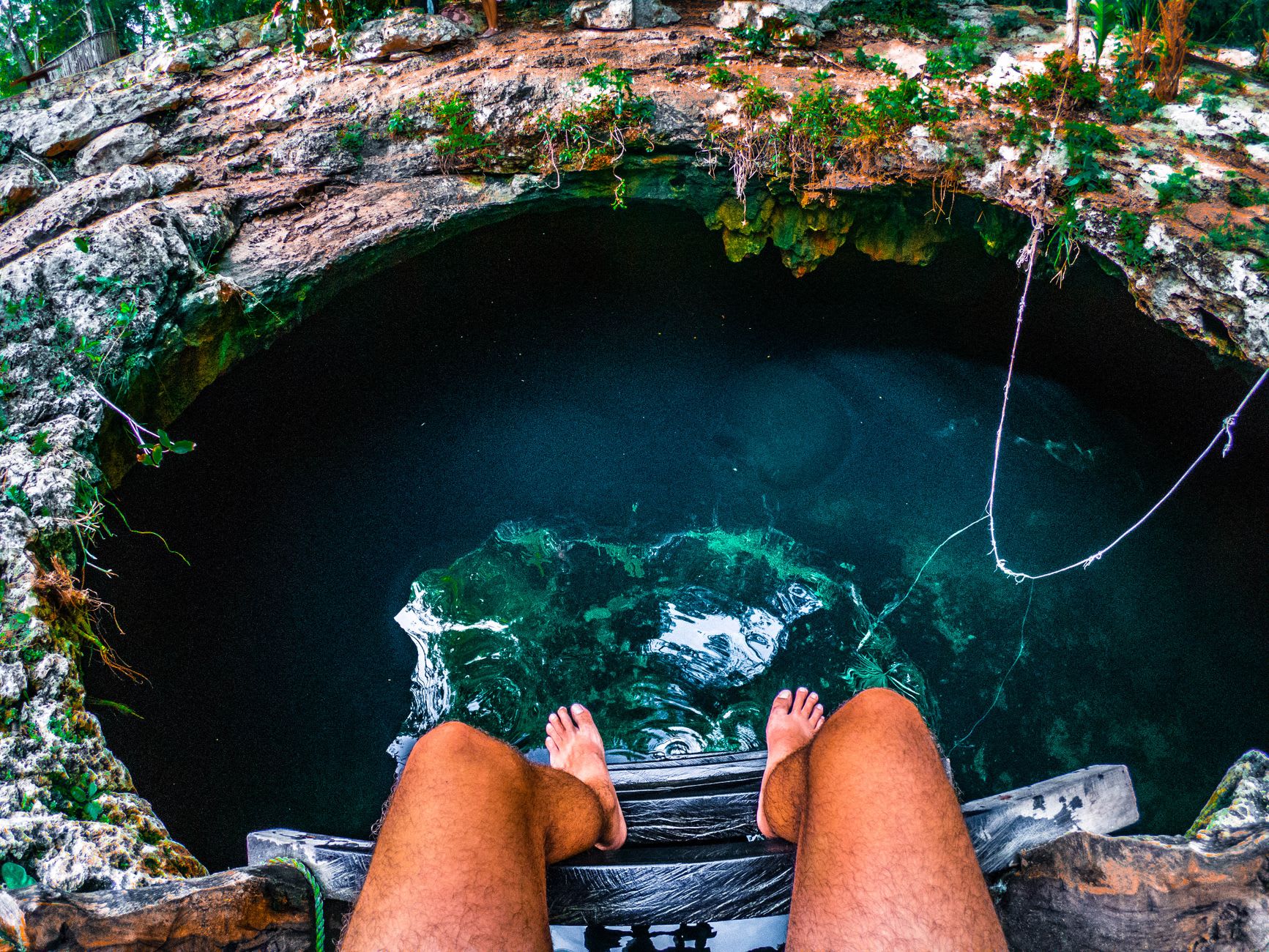
This is the most repeated mistake and the one that generates the most disappointment. Tulum has dozens of cenotes within a short drive, and their conditions, crowds, and experiences are radically different from each other. Showing up at Gran Cenote at 11am in July expecting a serene swim is the first failure.
Gran Cenote
The most famous and photogenic cenote near Tulum. It's also the most crowded. Turquoise water, stalactites, turtles visible underwater, and a snorkeling circuit that truly delivers. Go at opening time (8am) or after 3pm. Between 10am and 2pm it fills with tour buses. Arrive early, bring your own snorkel gear, and you'll have one of the best experiences in the Riviera Maya.
Dos Ojos
The cenote for divers and those who want something more dramatic. Two connected sinkholes with an underground cave system. It's one of the longest underwater cave systems in the world. Do not attempt the cave dive without a certified cave diver guide. The open-water snorkel section is accessible to all, but the cave diving requires proper certification.
Jardín del Edén (Ponderosa)
The most sheltered and least touristy of the well-known cenotes. A wide, open sinkhole with a natural rope swing and crystal-clear water. Families love it. Stays calmer mid-week. A great alternative when Gran Cenote feels overwhelming.
Casa Cenote (Tankah)
A mangrove-edged cenote connected to the Caribbean Sea — you can actually snorkel from the freshwater into saltwater. It's the most unique cenote experience near Tulum. Very few people know about it. Almost never crowded. Go before 9am for the best light and the lowest foot traffic.
Mistake 2: Confusing the Seasons for Each Activity
Tulum has a very specific experience calendar that few travelers consult before booking flights. Arriving in the wrong month for what you want to do is the second most common mistake.
Sea Turtles Don't Come Year-Round
If swimming with wild sea turtles is on your list, go to Akumal — about 30 minutes north of Tulum on Highway 307. Sea turtles are there year-round feeding on seagrass in the shallow bay. However, nesting season on the beaches runs from May to October. If you want to witness nesting or hatchling releases, plan for those months. The experience outside of season simply doesn't exist.
Whale Watching Is Not a Tulum Activity
We hear this one often: travelers arrive in Tulum in January expecting to book a whale watching tour and can't find one. Humpback whale watching tours depart from Cancun and Isla Mujeres, not Tulum. The boats are larger, the crossing is longer, and the season runs November to March. If whale watching is your priority, base yourself in Cancun or Isla Mujeres for that day and plan accordingly.
Hurricane Season Means Real Weather Disruptions
June through November is hurricane season on the Caribbean coast. Most years it's fine, but a single storm can shut down cenotes, close beaches, and make roads impassable for days. The peak risk window is September and October. If you travel then, have flexible bookings and a backup plan.

Mistake 3: Arriving Without Enough Cash
Tulum — especially the cenotes, local taco stands in Tulum Pueblo, colectivo vans, and street market stalls — runs largely on cash. The ATMs in the Zona Hotelera charge steep fees and often have long lines. Cenote entry fees are typically cash-only. The colectivos (shared vans on Highway 307) are cash-only and the most affordable way to move around.
The typical mistake is arriving with a card and assuming the destination works like Cancun's hotel zone. It doesn't. Tulum Pueblo has reliable ATMs near the main street, but once you head south toward the ruins or to cenotes off the main highway, the cash you're carrying is what you have.
Practical advice: Withdraw cash at the Cancun airport or as soon as you reach Tulum Pueblo's center. Always carry the equivalent of two days of expenses. Cenote entry fees run 150–400 pesos per person per site.
Mistake 4: Underestimating the Heat and Planning Activities at the Wrong Hours
The Yucatan Peninsula in dry season (November to April) reaches over 35°C with high humidity. In the wet season it's hotter still, with the added drama of afternoon thunderstorms that roll in fast. Visiting the Tulum ruins at 1pm in August is a guaranteed way to have a miserable experience. The heat isn't just discomfort: it's a real dehydration risk, especially for outdoor physical activities and jungle trails.
Best Times for Each Activity
- Tulum archaeological ruins: Arrive at opening (8am) before the tour buses arrive. By 10am it is packed and scorching. Plan 2 hours maximum.
- Cenote visits: Opening time (8–9am) or late afternoon (3–5pm). Midday cenotes are crowded and lighting for photography is harsh overhead rather than the famous light-shaft effect.
- Sian Ka'an biosphere boat tours: Morning departures (7–9am) for wildlife — herons, crocodiles, manatees, and flamingos are most active in the cooler hours.
- Cobá ruins: Before 9am — the jungle climb to the pyramid top in midday heat is genuinely dangerous and not recommended.
- Beach time (Zona Hotelera): The Caribbean is calm and warm all day, but shade is scarce. Bring your own umbrella or rent one early.
Mistake 5: Not Booking in Advance During Peak Season
Tulum has very defined peak seasons: Christmas–New Year, Easter Week, and July–August. During those periods, the destination is saturated. Cenote tours sell out days in advance. Sian Ka'an biosphere tours have waiting lists. Zona Hotelera beach clubs and accommodation fill up weeks ahead, often at double the price.
The most common mistake is arriving without a reservation, assuming "eco-destinations always have space." In peak season, they don't. And the tours booked last-minute at the side of the road are usually the lowest quality at the highest prices.
What to book in advance:
- Sian Ka'an biosphere lagoon tour — limited capacity per day
- Gran Cenote guided snorkel tour — high demand December through April
- Dos Ojos cave diving experience — certified guides have limited slots
- Tulum ruins early access tour — more schedule flexibility, avoids crowds
Mistake 6: Expecting Tulum to Be Like Cancún or Playa del Carmen
This mistake doesn't ruin the trip if corrected early, but it creates unnecessary frustration in the first few hours. Tulum is not a resort destination — or rather, the "real" Tulum isn't. The Zona Hotelera has upscale eco-resorts, but there are no all-inclusives, no casino hotels, and no waterpark chain. The main strip in Tulum Pueblo is a dusty two-lane road with taco stands and local farmacies, not a polished malecon.
What it does have: ancient Mayan ruins on a cliff above the turquoise Caribbean, the most extraordinary cenote system on earth, a world-class wellness and yoga scene, organic restaurants in the jungle, and a Zona Hotelera vibe that is genuinely unlike anywhere else in Mexico.
Whoever arrives expecting Cancún's party energy and hotel beach clubs leaves confused. Whoever arrives knowing this is an eco-chic, cenote-and-ruins destination leaves wanting to return.
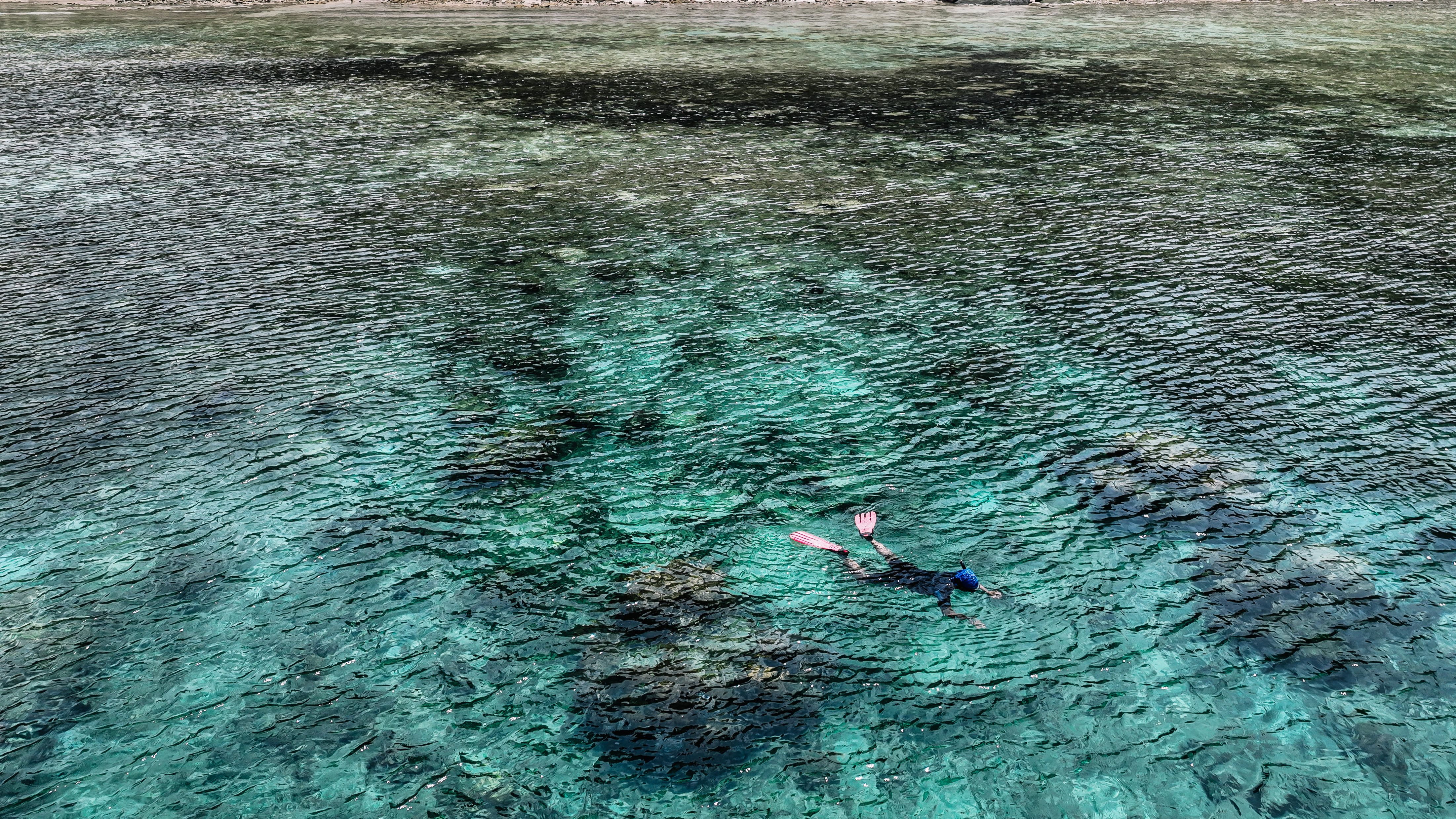
Mistake 7: Not Checking Reef and Sea Conditions Before Snorkeling or Diving
Tulum sits just south of the Mesoamerican Barrier Reef — the second largest coral reef system in the world. Snorkeling and diving the reef is extraordinary when conditions cooperate: visibility can reach 30 meters, coral formations are dense, and marine life is abundant. But the Caribbean can get rough, especially during the windy winter months (November to February) and during tropical weather events.
A snorkel tour with one-meter Caribbean swells and poor visibility is a disappointment, not a nature experience. Before booking any reef activity, ask operators about conditions for that day. The best operators reschedule when the reef doesn't cooperate. Those who just want to collect payment don't.
- Reef snorkeling tour — departures subject to sea state
- Scuba diving — visibility depends on conditions
- Cenote snorkel — calm-water alternative on rough reef days

Mistake 8: Only Eating at Overpriced Zona Hotelera Restaurants
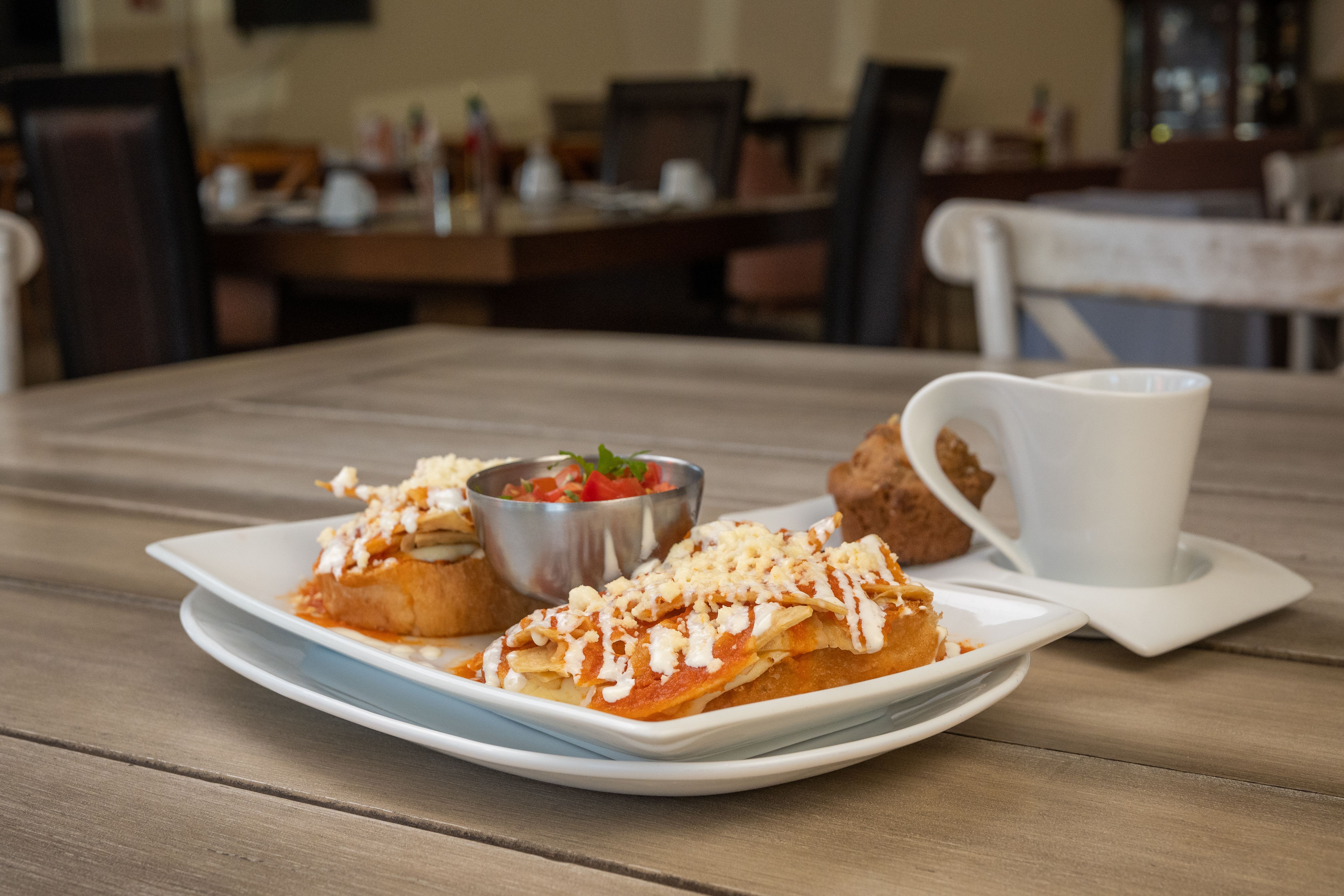
The Zona Hotelera has good restaurants. It also has spectacularly overpriced ones that survive on the captive audience of hotel guests who don't realize a 10-minute colectivo ride takes them somewhere better. The mistake is never leaving that zone to eat.
Tulum Pueblo is where locals eat. The night market at El Camello serves tacos and ceviche at a fraction of the hotel zone cost. A fresh fish taco made by a woman who's been doing it since 6am costs 30 pesos. The taco stands along the main street in Tulum Pueblo do a cochinita pibil and al pastor that no jungle restaurant with fairy lights and a DJ can replicate.
The best meals in Tulum don't have hand-illustrated menus on recycled paper or ambient electronic music. The best meals in Tulum are served at plastic tables with plastic chairs, and they cost almost nothing.
Mistake 9: Missing Sian Ka'an by Not Knowing It Exists
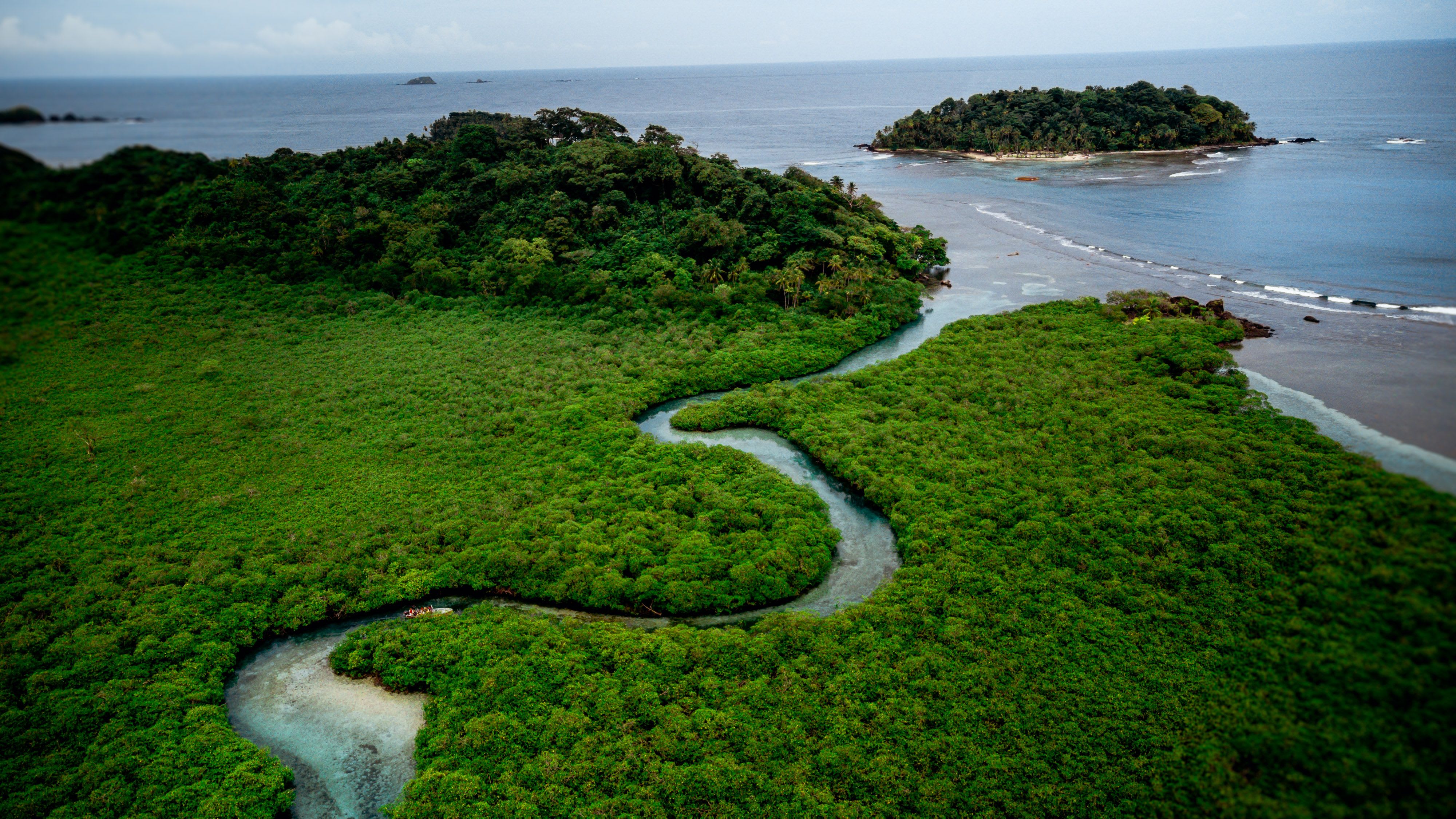
Sian Ka'an UNESCO biosphere reserve begins just south of the Tulum Zona Hotelera. It is one of the largest protected areas in Mexico: 528,000 hectares of mangroves, lagoons, tropical forest, and Caribbean coast. Most travelers who come to Tulum don't visit it. Not because they don't want to, but because it's not obvious from the hotel zone, there's no billboard on the road, and it doesn't appear in the first searches for "Tulum things to do."
It's the biggest omission mistake possible in this destination. Sian Ka'an has hundreds of bird species, manatees, crocodiles, flamingos, Mayan canal systems you can float through, and lagoon waters of an otherworldly turquoise. For many travelers who discover it, it becomes the best part of the entire trip.
- Sian Ka'an biosphere boat and lagoon tour
- Kayak through Sian Ka'an mangrove channels
- Bird watching in Sian Ka'an — over 300 species
Mistake 10: Planning an Overly Packed Itinerary
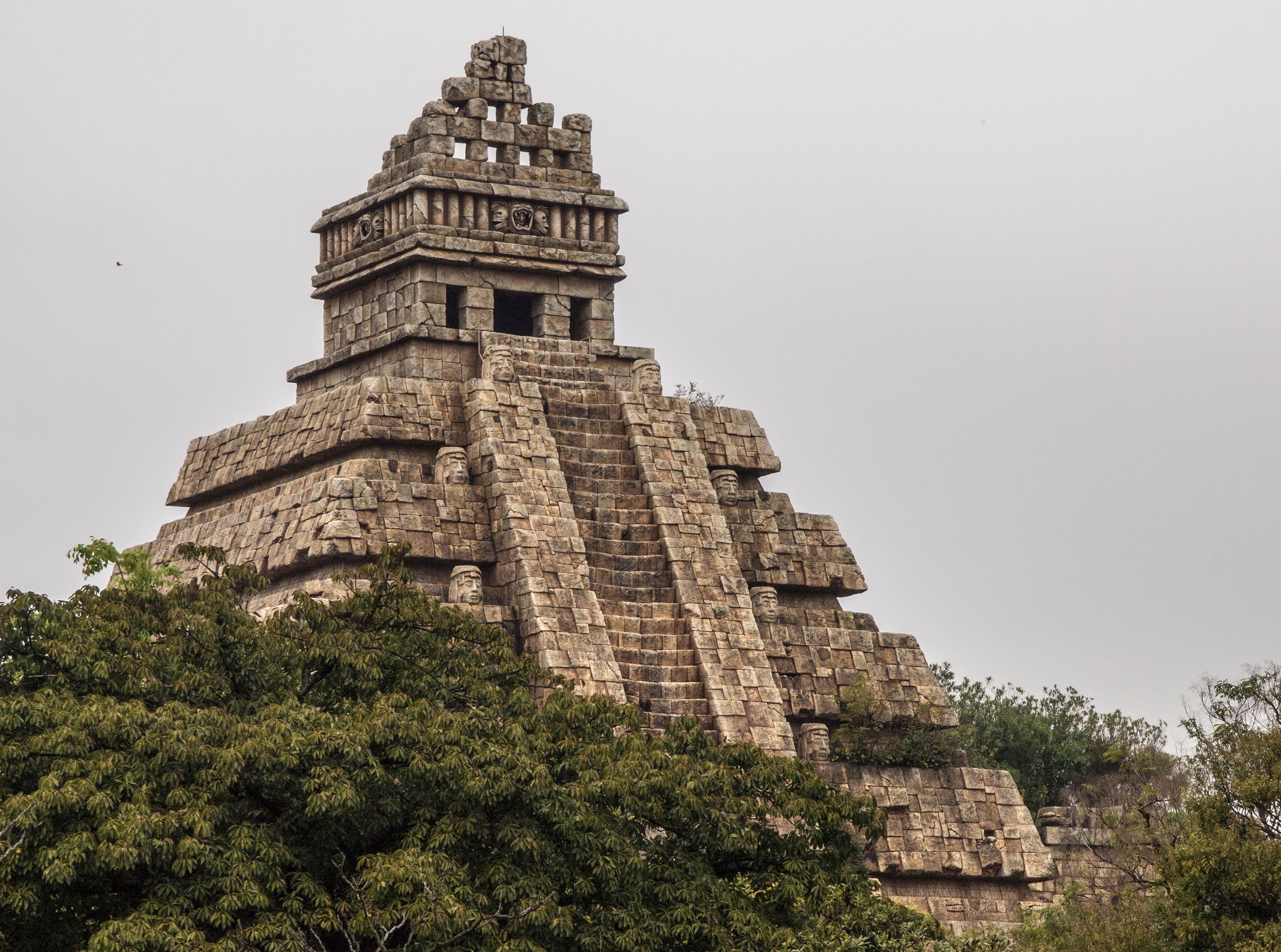
Tulum has its own rhythm that packed itineraries don't respect. Ruins open at 8am and close at 5pm. Gran Cenote's best light is before 10am. The colectivo to Sian Ka'an takes 40 minutes. A proper Sian Ka'an tour takes 5–6 hours. The night market in Tulum Pueblo gets going after 7pm.
Trying to pack four activities into a tropical day without accounting for heat, transfers between Tulum Pueblo and the Zona Hotelera (14 km apart), and wait times at cenotes is the exhaustion itinerary. The traveler who arrives, checks boxes, and leaves never understands why some people come and stay for weeks.
The specific mistake: booking the 8am ruins tour, cenote visit at noon, afternoon Sian Ka'an boat tour, and night market dinner — all in the same day. It's possible on paper. It's a disaster in reality.
If you want a real itinerary that actually works, here's the one built from years of local experience: 4 Days in Tulum: A Chapter-by-Chapter Itinerary.
Mistake 11: Not Knowing How to Move Around Tulum Without a Car
Many travelers assume they can't explore Tulum without a rental car. This is partly true but mostly false. Colectivos — shared white vans running along Highway 307 — connect Tulum Pueblo with Playa del Carmen (45 min north), Akumal (20 min north), and Cobá (45 min west) at very low cost. For day trips to Chichén Itzá (2.5 hrs) or Bacalar (3 hrs), ADO buses depart from Tulum's bus terminal with several departures daily.
That said, for Sian Ka'an or the more remote cenotes independently, you do need private transport or an organized tour. Those routes have no shared van coverage.
Mistake 12: Trusting Google Maps for Cenote Access Points and Tour Meeting Spots

Google Maps has Tulum Pueblo and the Zona Hotelera reasonably well covered. For cenote access roads, Sian Ka'an entry points, and tour embarkation spots south of town, the data is sometimes inaccurate or outdated. Some access roads are marked as paved but are rutted dirt tracks impassable in rainy season, and some cenotes are pinpointed in spots that are actually 800 meters from the real entrance — or on private property requiring a fee that Maps doesn't mention.
The always-valid recommendation: confirm the meeting point with the tour operator via WhatsApp the night before. Local directions are more reliable than the algorithm.
What Travelers Miss by Not Asking
There are experiences in Tulum that don't appear on TripAdvisor or Instagram because they're too local or too simple to have a digital presence. The most commonly missed:
- Casa Cenote at 7am. Before the first tour group arrives, you can have this extraordinary mangrove-to-sea cenote almost entirely to yourself. Bring your own mask and fins.
- Sunsets from Playa Ruinas. The small beach directly under the Tulum ruins gets very crowded during visiting hours but quiets significantly after 5pm. The light on the ruins from below is spectacular.
- The local market in Tulum Pueblo on Saturday morning. Vendors from Aldea Zama and La Veleta sell produce, handmade goods, and food with zero tourist markup.
- Sunrise yoga at the ruins overlook. Several Zona Hotelera eco-hotels open their cenote decks and yoga platforms before 7am. Even non-guests can often book a sunrise session. Sunrise yoga experience in Tulum.
Summary: What Actually Works
To close with something useful rather than a list of warnings:
- Arrive with cash for at least two days minimum — cenotes and colectivos are cash-only.
- Check the seasonal calendar before booking specific experiences (turtles, reef conditions, hurricane risk).
- Visit cenotes at opening time (8am) or late afternoon — never at midday.
- Book high-demand tours (Sian Ka'an, cave diving, turtle season) at least 48 hours in advance during peak season.
- Plan no more than two main activities per day and leave space for the destination to surprise you.
- Eat at least one meal in Tulum Pueblo at the night market or a taco stand — your wallet and your taste buds will thank you.
- Confirm meeting points via WhatsApp, not Google Maps.
- Remember that Tulum Pueblo and the Zona Hotelera are 14 km apart — factor transfer time into every day plan.
For more information on what to do and when, our complete activities guide has everything organized by season and experience type: Tulum Beyond the Ruins: Cenotes, Wildlife & the Flavors of the Riviera Maya.