The Tulum Challenge: A First-Timer's Guide to Cenotes, Ruins, and Caribbean Beaches
You don't need a bucket list to feel the pull of Tulum. When Caribbean light hits a freshwater cenote at noon and turns the water a shade of blue that doesn't seem real, or when you stand on a Mayan cliff 12 metres above the sea and realize the ruins in front of you are genuinely 800 years old — the place earns its reputation the honest way. The Tulum Challenge, as we call it on our team, is the delightful problem every first-time visitor faces: too much to see, too little time, and no obvious place to start.
This guide is for the people who want to crack that challenge without wasting a single morning.
Why Tulum Is Different From Every Other Caribbean Destination
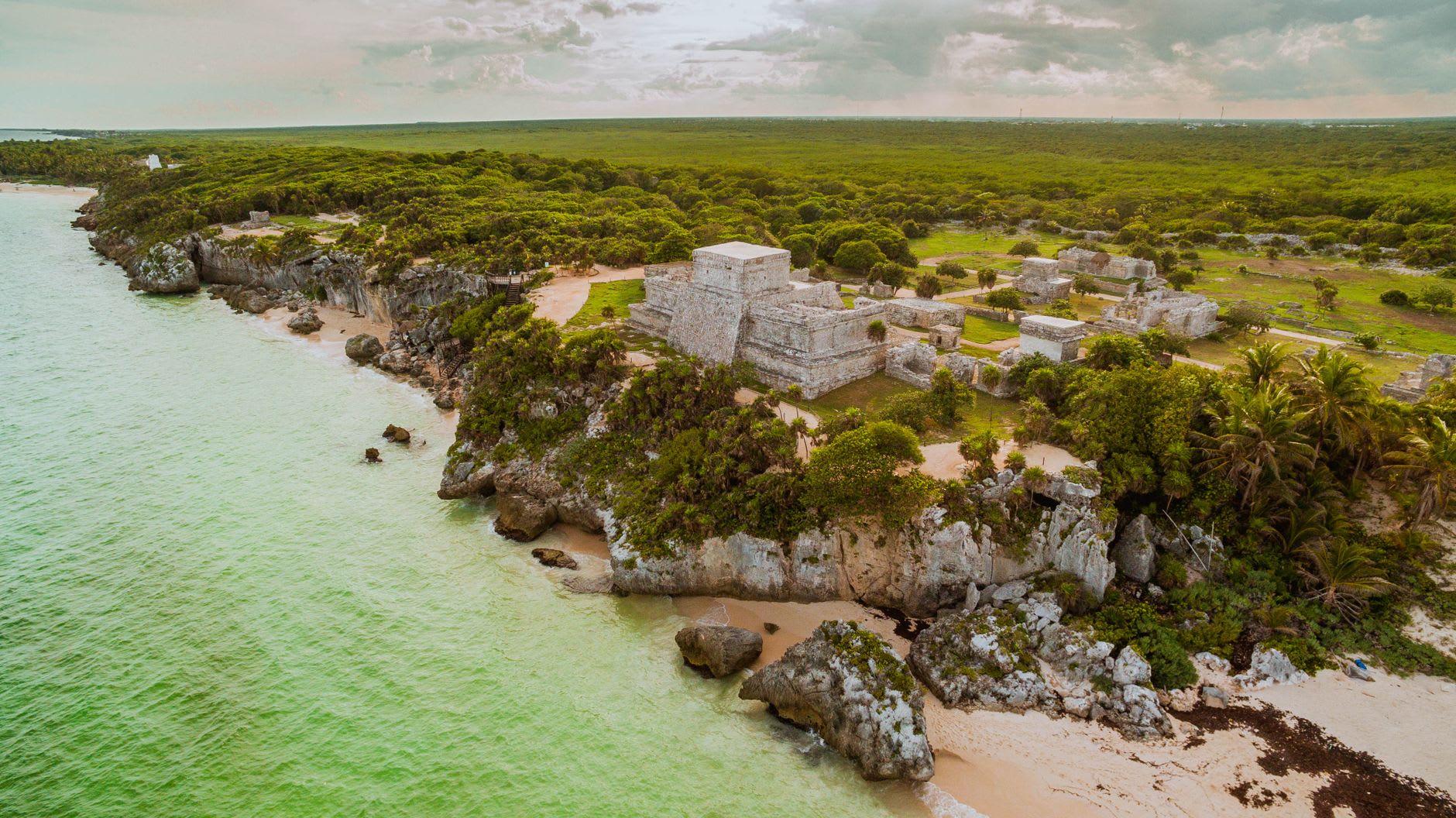
The Caribbean has no shortage of beautiful beaches. What separates Tulum is a combination that exists nowhere else in the region: a functioning UNESCO-adjacent archaeological zone perched on a limestone cliff directly above a swimmable beach, a network of freshwater cenotes that honeycomb the jungle floor within cycling distance of town, and a biosphere reserve the size of a small country (Sian Ka'an) that begins just south of the hotel zone.
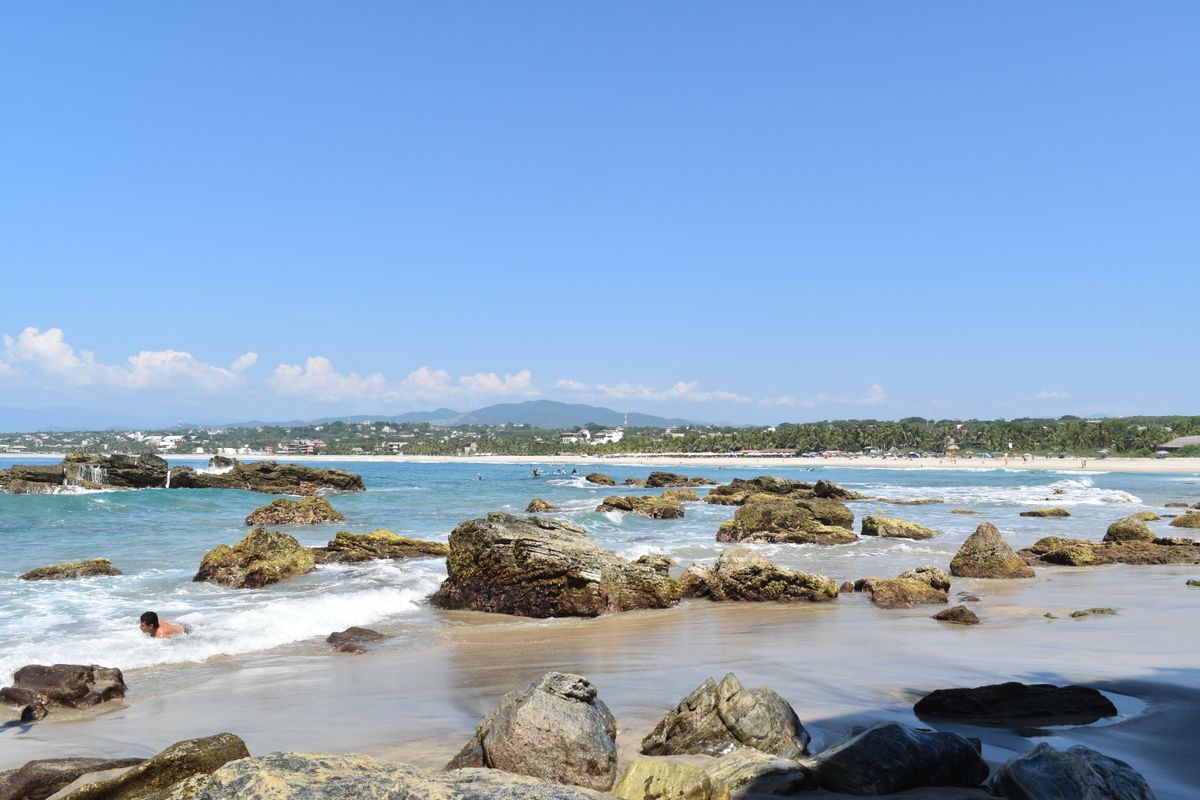
The Caribbean Sea here is gentle by nature. Warm, turquoise, and protected by the Mesoamerican Barrier Reef — the second largest coral reef system in the world — the water is calm enough for snorkelling and swimming in most conditions. This is not a wave destination. It is, however, one of the best places on earth for underwater exploration, from the coral gardens offshore to the flooded cave systems (cenotes) that run beneath the entire Yucatán Peninsula.
Tulum sits roughly 130 km south of Cancún along the Riviera Maya corridor, connected by ADO buses, shared colectivo vans on Highway 307, rental cars, and scooters. Getting here is easy. Figuring out how to spend your time once you arrive is where most visitors need a map.
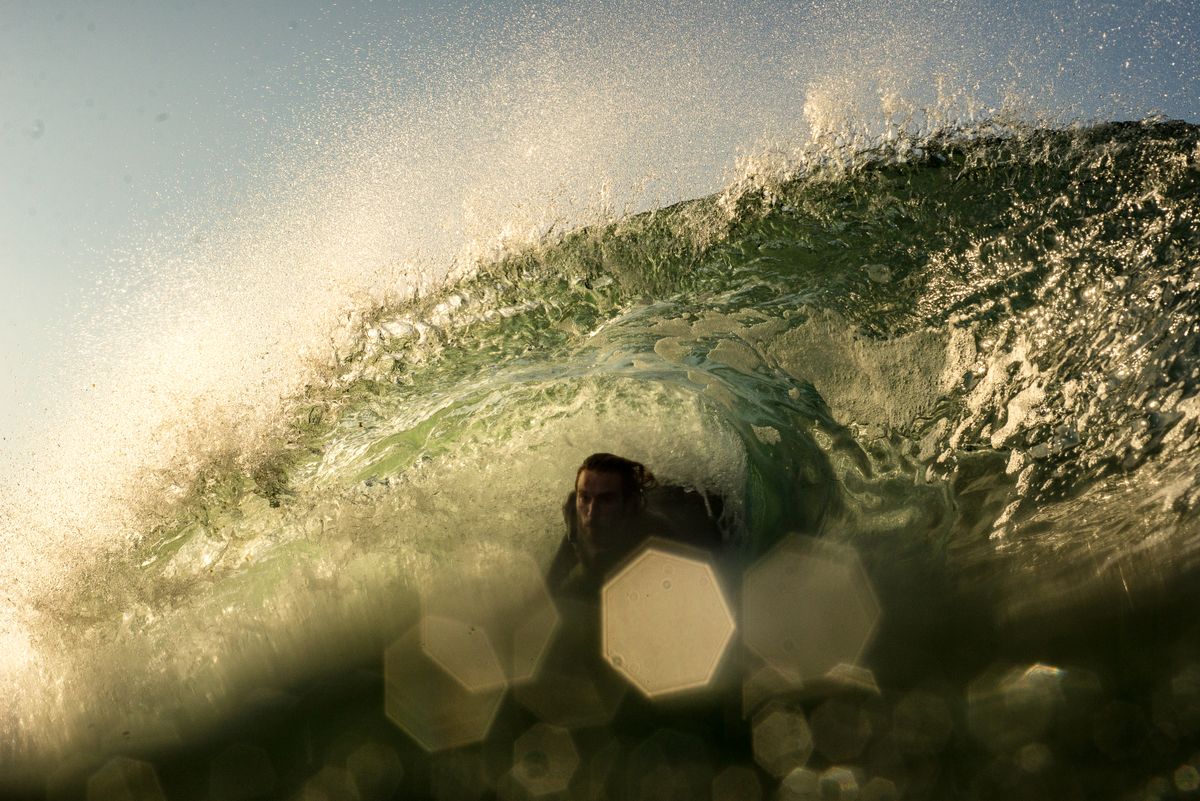
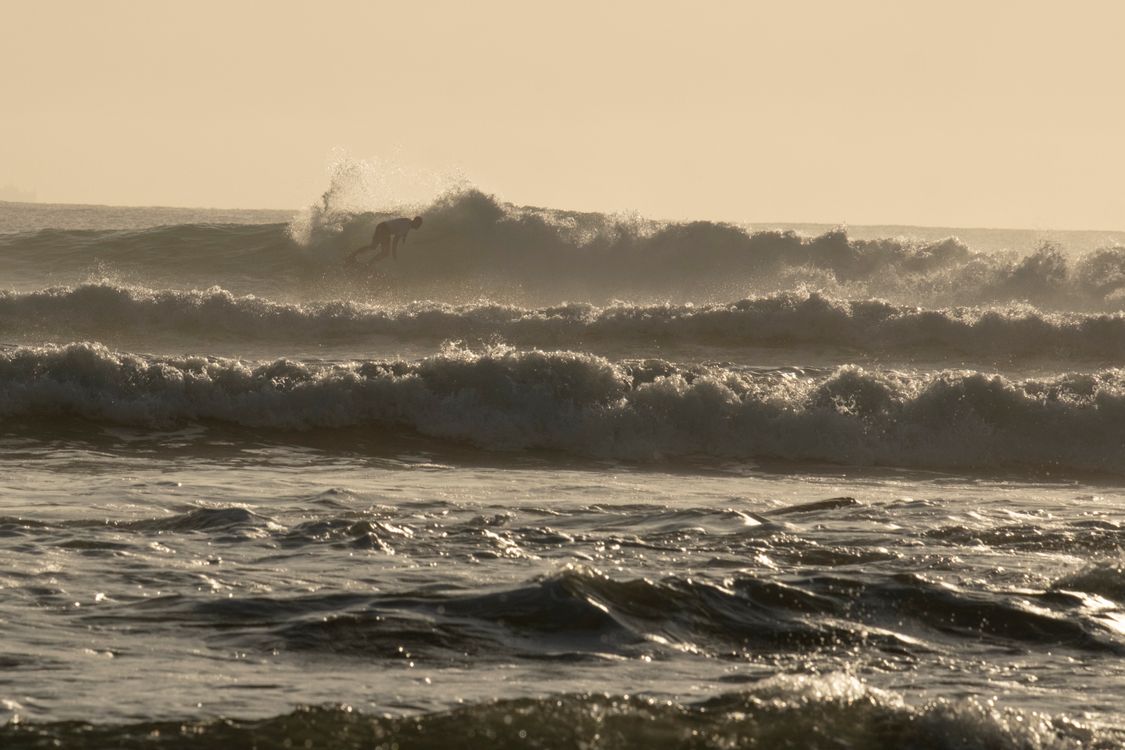
One thing visitors need to understand clearly: Tulum is not a surf town. The Caribbean coastline here produces small, gentle swells — beautiful for swimming and snorkelling, but not the kind of ocean that attracts surfers chasing big waves. If you've come to dive, snorkel, explore cenotes, and wander Mayan ruins, you are in exactly the right place.
The Three Faces of Tulum: Which One Are You Here For?
Most visitors quickly discover that Tulum is really three destinations layered on top of each other, each with its own rhythm and crowd.

Tulum Pueblo (the town) is where real life happens — taco stands on the main strip, the night market at El Camello, local pharmacies and fruit stalls, and the best value accommodation in the area. If you want to eat well without paying eco-resort prices, base yourself here.
The Zona Hotelera (hotel zone, also called Tulum Beach) is the stretch of Caribbean coastline where the boutique hotels, beach clubs, and jungle restaurants cluster along a sandy road. This is the Tulum of magazine spreads — thatched roofs, turquoise water, and cocktails served in coconuts. It is beautiful and it is expensive, but even if you're not staying here, the beach access points are public and free.
Aldea Zama is the jungle residential and boutique zone between the town and the beach road — quieter than both, with independent cafés, yoga studios, and a growing community of longer-term visitors who have found the balance between comfort and immersion.
Historical champions of the Tulum travel circuit consistently name Playa Paraíso as the beach that delivers most on the postcard promise: a long, calm stretch of white sand with the clearest water in the hotel zone, popular but never so crowded you can't find your own patch of shade.
When to Go: Seasons, Crowds, and the Best Conditions
There are two distinct things worth planning around in Tulum.
Dry season (December to April)
This is the classic high season: low humidity, blue skies almost every day, and water visibility in the cenotes that can exceed 50 metres. The trade-off is that Tulum fills up, especially between Christmas and Easter. Prices in the hotel zone spike significantly, and the most popular cenotes — Gran Cenote, Dos Ojos, Jardín del Edén — can feel crowded by mid-morning. The fix is simple: arrive at opening time (usually 8 or 9 AM) and you'll have the water largely to yourself.
Mornings are critical for cenote visits year-round. Between 7 and 10 AM the light enters the caverns at the angle that creates those famous sunbeam effects — shafts of sunlight cutting through the turquoise water and illuminating the cave formations below. Tour groups typically arrive later, so early risers get both the light and the quiet.
Shoulder and rainy season (May to November)
The rainy season brings shorter, intense afternoon showers, greener jungle, and significantly lower prices across the hotel zone. The Caribbean is still warm and swimmable. September and October are the quietest months and also the heart of hurricane season — most visitors comfortable with weather uncertainty find this a genuine value window. The cenotes, being underground, are unaffected by rain.
For a full breakdown of when to visit Tulum by month, see our month-by-month guide to the best time to visit Tulum.
The Cenotes: Tulum's Greatest Natural Spectacle
If there is one thing that defines Tulum's landscape more than anything else, it is the cenotes — natural freshwater sinkholes formed when the limestone roof of an underground river system collapses, revealing the water below. The entire Yucatán Peninsula sits on a vast network of these flooded caves, and Tulum sits at the heart of one of the densest concentrations anywhere.
The best cenotes near Tulum
The area directly around Tulum offers a range of cenote types within easy cycling or scooter distance of the town:

Gran Cenote is the most famous and logistically easiest — 3 km west of town, open water with stalactites, excellent for snorkelling and diving, and one of the few cenotes where you'll reliably see freshwater turtles. Arrive at opening (8 AM) for the best light and the smallest crowds.
Dos Ojos (Two Eyes) is a cavern system rather than an open sinkhole — you snorkel or dive through partially submerged cave passages with torches, following the flooded tunnel network. The name comes from two adjacent openings viewed from above. This is the cenote that converts casual snorkellers into people who start researching cave diving certifications.
Cenote Azul is larger, more open, and better suited to families — a broad circular pool surrounded by jungle, with wooden platforms for jumping and sections shallow enough for children. Less dramatic than the cavern systems, but excellent for a relaxed half-day.
Jardín del Edén (Garden of Eden) combines open-air swimming with partial cavern sections, accessible without diving equipment, in a setting that lives up to its name: clear blue water, tree roots draping down the rock walls, and green jungle pressing in from all sides.
Casa Cenote (also called Cenote Manatiés) is unique — it connects directly to the Caribbean Sea via an underground channel, meaning the water shifts between fresh and slightly brackish, and the light filtering from multiple openings creates an otherworldly glow. Manatees have been spotted here, though sightings are not guaranteed.
What to Expect During a Full Tulum Week
A week in Tulum has a natural rhythm that the destination almost imposes on you. The beach club scene in the Zona Hotelera fills evenings with jungle restaurant dinners and sets that go past midnight. But the best of Tulum — cenotes, ruins, Sian Ka'an — is firmly morning territory.

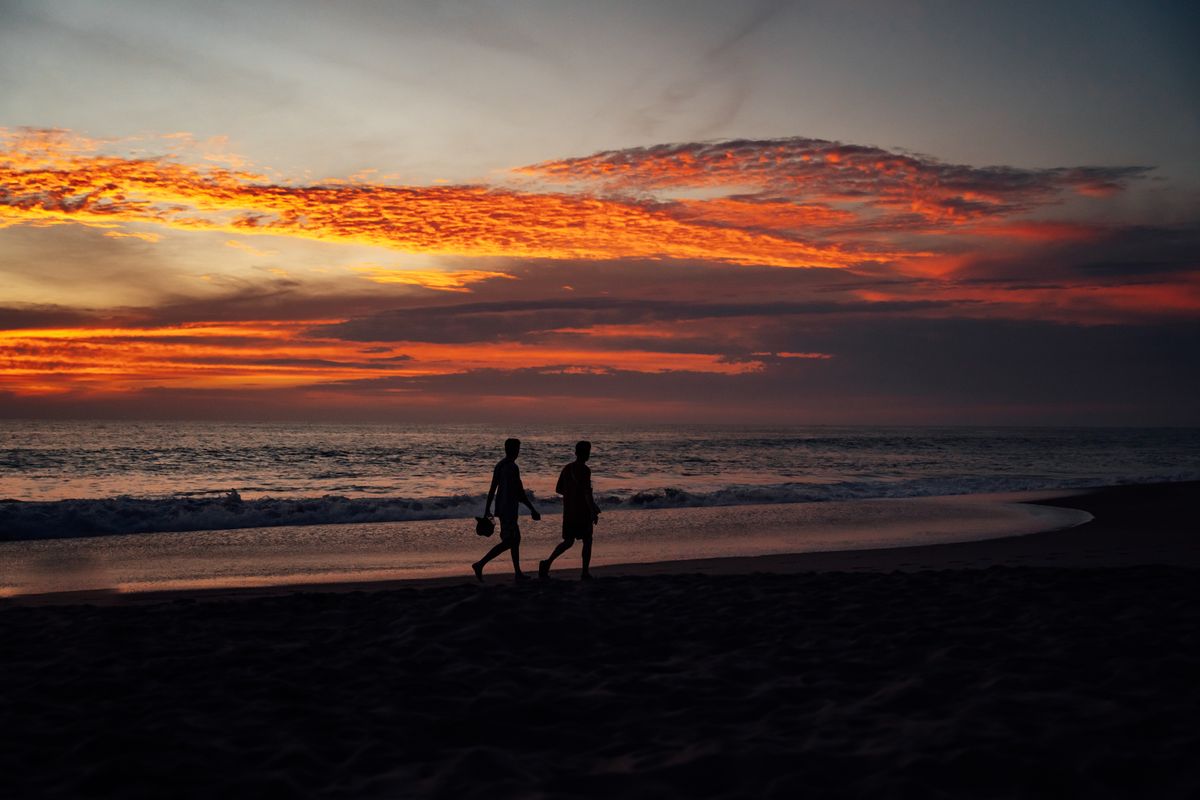
It's not unusual to swim a cenote before 10 AM, spend an hour at the ruins (Playa Ruinas, directly beneath the clifftop temples, is one of the best beaches in Mexico to simply sit and stare), have lunch in Tulum Pueblo, and find yourself back on the beach road in time for sunset over the jungle. The scale of Tulum is human enough that the distances between everything are manageable on a bicycle.
If you want to build a full week around the best Tulum has to offer, our 4-day Tulum itinerary helps structure the time with morning cenotes, afternoon ruins, and evening dinner recommendations.
What to Pack for a Day at the Cenotes and Ruins
- Reef-safe sunscreen only. All cenotes in Tulum (and most of the reef) prohibit chemical sunscreen. Mineral sunscreen (zinc oxide or titanium dioxide) is the only option allowed in the water. Bring enough for a full day.
- Water shoes or sandals. Cenote entry points are often slippery limestone or wooden platforms. Grippy footwear makes the difference.
- A dry bag. You'll want your phone and camera protected. Many cenotes have lockers at the entrance, but a dry bag means you can bring a camera into the water.
- Cash. Entry fees at most cenotes are paid in pesos at the gate — card machines exist but are unreliable. Gran Cenote is around 450–500 MXN per person.
- A light cover-up for the ruins. The Tulum archaeological zone has no shade. A long-sleeve shirt and hat make the midday heat manageable. Arrive before 9 AM if possible.
- Insect repellent. The jungle around cenotes and the Sian Ka'an access roads is active. DEET-free formulas exist but the standard ones work better.
Where to Stay: Matching Neighbourhood to Travel Style

For visitors who want maximum access to cenotes and the ruins at opening time, Tulum Pueblo is the obvious base. There are good-value guesthouses, hostels, and mid-range hotels within a short ride of everything, and the town's taco stands and street food market give you an authentic Mexican meal at every turn.
If the beach is the priority, the Zona Hotelera puts you steps from the Caribbean — though accommodation here runs significantly more expensive. The beach road itself is a 10-minute drive from the cenotes, so you lose nothing on the morning access front if you have a rental scooter or car.
Aldea Zama is the popular middle ground: 5–10 minutes from both the town and the beach by bicycle, quieter than either, and increasingly well-served by independent restaurants and café-roasters that rival the hotel-zone dining scene at a fraction of the price.
See our full guide to the best places to stay in Tulum for specific options with prices and character.
Want to Go Deeper Underwater?
Snorkelling the cenotes almost always triggers the impulse to go further. The good news is that Tulum is one of the best places in the world to get a cave diving or cavern diving certification — the flooded cave systems here are the training ground used by the world's top cave diving instructors, and the entry-level cavern dive at Dos Ojos is accessible to anyone with a basic open-water certification.
If you'd like to get into the cenotes with proper guidance, check out our cenote tours in Tulum — the safest and most rewarding way to experience the underground river systems, with guides who know every passage and every light angle.
And if diving isn't your thing but you want to make the most of the destination's wildlife, don't miss Akumal — 30 minutes north of Tulum, where wild sea turtles feed in the bay year-round and you can snorkel alongside them without a boat.
The Sian Ka'an and Day Trips: Beyond Tulum Itself
Tulum is an excellent base for some of Mexico's most impressive day trips. The Sian Ka'an Biosphere Reserve begins just south of the hotel zone — a UNESCO-protected wilderness of mangroves, coastal lagoons, and jungle that covers over 500,000 hectares. A guided boat tour through the reserve's channels is one of the most calming and beautiful half-days you can spend anywhere on the Riviera Maya.
The Cobá ruins (45 minutes by car) still allow visitors to climb the main pyramid — one of the tallest in the Yucatán — for a jungle-top view that puts Tulum's clifftop ruins in perspective. Chichén Itzá (2.5 hours) is the iconic site. Bacalar (3 hours south) is Mexico's so-called Lake of Seven Colors, a lagoon so large and so clear it looks photoshopped. And Playa del Carmen (45 minutes north) gives you the pedestrian street buzz of the Riviera Maya's biggest resort town without committing to Cancún.
If you want to go deeper on what makes Tulum's landscape so different from the rest of the Caribbean — the geology of the cenotes, the history of the ruins, and the logistics of the biosphere reserve — read our complete guide to exploring Tulum's natural wonders.
auto_awesome Continue exploring Tulum
You Might Also Like
 article Aventuras calendar_today Jan 20, 2026
 Tulum Beach: Your Complete Guide to the Zona Hotelera and Beyond
Stretching over ten kilometers of powdery white sand and turquoise Caribbean water, Tulum’s coastline is one of the most
 calendar_today Apr 23, 2026
 Tulum Water Conditions by Month: Sea, Wind, Cenotes & Crowds
Generic 'best time to visit' guides don't cut it for water lovers. This one is purely for swimmers, snorkellers, divers,
 calendar_today Apr 17, 2026
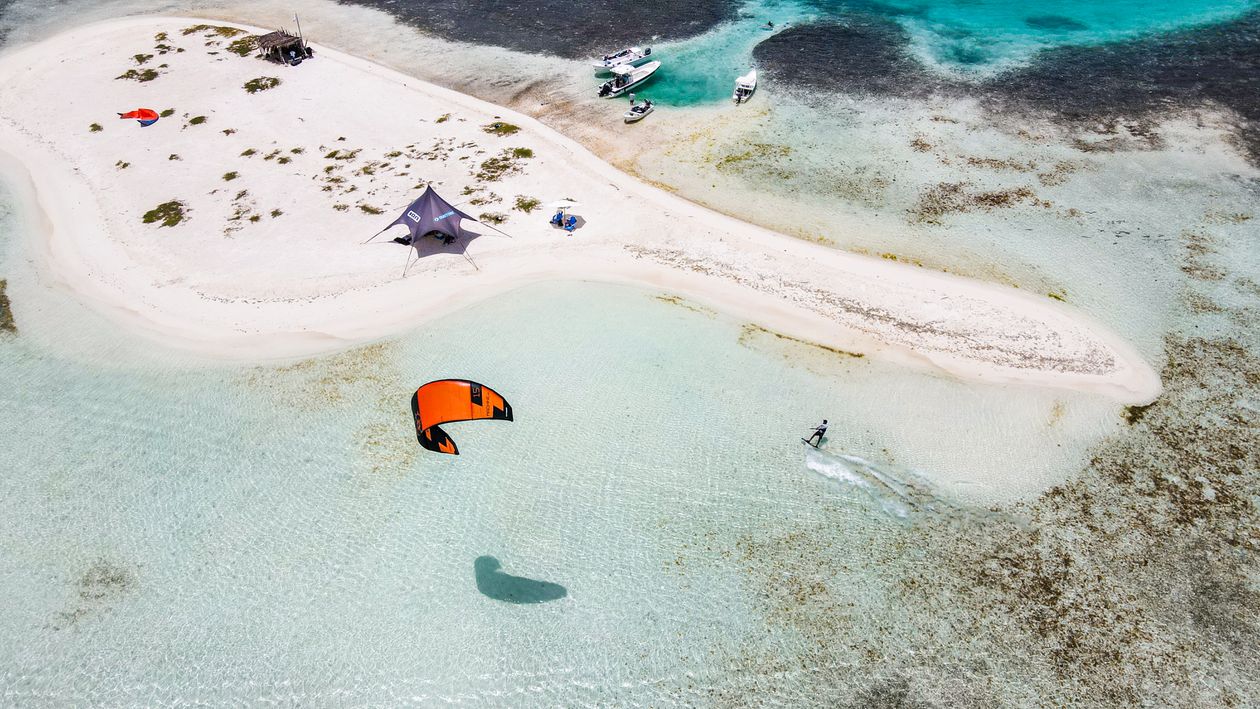
 Kitesurfing & Kiteboarding in Tulum: Conditions, Spots & Lessons
Tulum isn't the easiest kitesurfing destination in Mexico — and that's precisely what makes it interesting for those who