Tulum Water Conditions by Month: Sea, Wind, Cenotes & Crowds
Search "best time to visit Tulum" and you'll find dozens of guides talking about hotel prices, flight deals, festival calendars, and vague references to weather. What you won't easily find is what a water lover actually needs to know: when the Caribbean is at its clearest, what the winds do throughout the day, when the cenotes are mobbed and when you can explore them in near-solitude, and which months offer the best combination of sea conditions, visibility, and manageable crowds. This guide exists to fill that gap.
Tulum sits on the Caribbean coast of Mexico — turquoise, warm, and calm by nature. This is not a surf destination; the Caribbean Sea simply does not generate the powerful swells you'd find on a Pacific-facing coast. What Tulum offers instead is something rarer: world-class snorkelling on the Mesoamerican Barrier Reef, cenote diving in the world's longest flooded cave systems, and a stretch of beach that shifts from serene to dramatic depending on the season. Understanding those seasonal shifts is what separates a great Tulum water trip from a frustrating one.
Quick Reference Table: Month by Month
This table summarizes key water conditions for each month. Use it as a starting point; full details are in the sections below.
| Month | Caribbean Sea | Wind | Cenote Conditions | Crowds |
|---|---|---|---|---|
| January | Calm, clear, 26°C | Light northerlies possible | Excellent — cool, crystal clear | Medium–High (peak winter tourism) |
| February | Calm, clear, 26°C | Light, generally pleasant | Excellent — best light at Gran Cenote midday | Medium |
| March | Calm, 27°C, excellent visibility | Light SE trade winds | Excellent — fewer visitors mid-month | Medium (spring break spike late March) |
| April | Warm 28°C, calm and clear | Light SE trade winds | Very Good — warm water, great snorkelling | Low–Medium |
| May | Warm 28–29°C, calm | SE trades, calm mornings | Very Good — warm and clear | Low (excellent value month) |
| June | Warm 29°C, occasional chop from storms | Variable — hurricane season begins | Good — morning visits recommended | Low–Medium |
| July | Warm 29–30°C, watch storm forecasts | Variable — possible Nortes | Good — humidity high but visibility great | High (Mexican school holidays) |
| August | Warm 30°C, peak hurricane risk | Variable — monitor forecasts | Good — arrive early to beat crowds | Very High (peak Mexican domestic travel) |
| September | Warm but rougher — peak storm season | Unsettled, strongest hurricane risk | Good — lowest crowds of the year | Very Low (best deals) |
| October | Calming down, 29°C, improving clarity | Transitional — generally pleasant | Excellent — green jungle backdrop | Low (hidden gem month) |
| November | Calm and clear, 28°C | Light and consistent | Excellent — cenotes nearly empty weekdays | Low–Medium |
| December | Clear, 27°C, calm and inviting | Light northerlies possible | Excellent — magical light angles | Low (spikes Christmas week) |
Dry Season: November–April — The Prime Window

The dry season is when Tulum earns its reputation as a water lover's paradise. From November through April, the Caribbean settles into its most photogenic state: turquoise water with 15–20 metres of underwater visibility, gentle surface conditions, and water temperatures hovering between 26 and 28°C — warm enough to stay in the water for hours without a wetsuit.
November and December are arguably the sweet spot for water experiences. The hurricane season has wound down, crowds are thin, and the cenotes — Gran Cenote, Dos Ojos, Jardín del Edén, and Cenote Azul — see their lowest visitor numbers. On a weekday morning in November, it is genuinely possible to have Gran Cenote almost to yourself: stalactites reflected in crystal water, shafts of sunlight cutting through the surface, and absolute quiet. That experience becomes nearly impossible in July or August.
January and February bring the most predictably settled conditions of the year. Occasional northerly fronts (known locally as "Nortes") can bring a brief chop to the Caribbean and drop temperatures a few degrees, but these pass within 24–48 hours and are forecasted well in advance. Between fronts, conditions are exceptional. Water clarity at Casa Cenote — the open-air mangrove cenote at the edge of the sea — is at its best during these months, with visibility extending deep into the flooded cave system.
March and April combine excellent water conditions with warming temperatures. The Mesoamerican Barrier Reef off Tulum's coast — part of the second-largest coral reef system in the world — is at peak visibility. Snorkelling tours from the beach, or from the iconic location beneath the Mayan ruins at Playa Ruinas, deliver some of the most memorable underwater experiences in Mexico. Late March brings a spike in spring break visitors, but avoiding peak hours (after 10am at the most popular cenotes) keeps the experience manageable.
The Cenote Highlight Window
For cenote photography and the famous light rays, the optimal window is January through March, between 10am and 1pm. During these months, the sun angle is perfect to project shafts of light deep into the water at Gran Cenote and Dos Ojos. Our team found that arriving at Gran Cenote at 8am, just as it opens, gives you the first light before the tour groups arrive — and in winter the rays start catching the water surface by 10am for extraordinary photos and snorkelling.
Shoulder Seasons: May and October–Early November
These are the months that experienced Tulum visitors often cite as their favourites — and the months that most first-time visitors overlook entirely.
May is Tulum's best-kept secret. The dry season has technically ended, but the rains haven't truly arrived yet. The Caribbean remains calm and perfectly clear, cenote water temperatures are comfortable, and hotel rates drop noticeably from their peak-season highs. More importantly, the crowds are significantly thinner: you can visit Dos Ojos on a May weekday and encounter a fraction of the visitors you'd find in February. For snorkelling the reef, diving the cenote systems, or simply floating in the turquoise Caribbean off Playa Paraíso, May delivers the full Tulum experience without the price tag or the queue.
October is the mirror image on the other side of the wet season. The rains are winding down, the jungle is an extraordinary deep green, and visitor numbers are at their annual low. The Caribbean clears quickly after the last storms, and by mid-October conditions rival the dry season peak. The cenotes are genuinely quiet — Jardín del Edén and Cenote Azul see minimal visitors — and the overall atmosphere in the Zona Hotelera and Tulum Pueblo feels relaxed and unhurried. Many repeat visitors consider October the single best month to visit Tulum.
Wet Season: June–September — What Changes and What Doesn't
The wet season coincides with the Caribbean hurricane season, and understanding the difference between perception and reality is essential for planning a water-focused trip.
What actually changes: Rain falls most days, typically in afternoon or evening bursts rather than continuous downpours. Some days, particularly during named tropical systems, conditions on the Caribbean can become rough — choppy surface, reduced visibility, and beach closures during and immediately after storms. Sargassum seaweed arrivals can also intensify from June onward, affecting beach conditions at some points along the Zona Hotelera (though open-water snorkelling further offshore and cenote experiences are unaffected by sargassum).
What doesn't change: The cenotes. This is the most important point for water travelers during wet season months. Cenotes like Gran Cenote, Dos Ojos, and Jardín del Edén are fed by the freshwater aquifer system underground, and their water clarity is essentially immune to surface weather. On a grey, rainy July day, the water inside Gran Cenote will still be 25°C and 15 metres of visibility. This makes the wet season a genuine option for cenote-focused visits.
July and August are peak domestic travel months in Mexico, driven by school holidays. This means the cenotes — especially Gran Cenote, which is just a short cycle from Tulum Pueblo — see their highest visitor volumes. Getting in at opening time (usually 8am) is essential. By 10am on a July weekend, the entrance queue at Gran Cenote can be significant, and the water inside has dozens of swimmers. At Dos Ojos, the cenote network is larger and crowds disperse more easily, making it a better choice during this period.
September is the statistical peak of hurricane risk but also the quietest month for visitors. If you're willing to monitor weather forecasts and have flexibility in your dates, September can be a genuinely rewarding time to visit — cenotes nearly empty, rock-bottom prices, and the lush wet-season landscape at its most dramatic.
The Daily Timing Window: Why Mornings Are Sacred

Regardless of which month you visit, one constant at Tulum that every water-focused traveler needs to internalize: mornings are everything. The daily pattern applies whether you're heading to the Caribbean beach, a cenote, or a snorkelling tour:
- 7:00–10:00 am: Caribbean surface is glassy and calm. Cenotes open at 8am and the first hour is genuinely magical — light is clear, crowds are minimal, and water visibility is at its peak before afternoon foot traffic stirs sediment. Snorkelling boats from Playa Ruinas depart early and return before the afternoon winds.
- 10:00 am–12:00 noon: Trade winds start picking up. The Caribbean surface can develop a light chop, though conditions remain perfectly swimmable. Cenote queues begin to build, particularly at Gran Cenote and Dos Ojos in high season.
- Noon onward: Afternoon trade winds are more consistent. Beach conditions are still enjoyable but the Caribbean surface has more movement. Cenotes are at their most crowded. Afternoon thunderstorms are common from June through September — typically brief but intense.
The practical advice is simple: center your water activities around the morning window. A 7am start for a cenote visit, a sunrise beach swim, or an early snorkelling tour will give you a fundamentally different — and better — experience than arriving after 10am, particularly during high season months.
During the dry season (November–April), afternoon conditions on the Caribbean remain calm enough for extended beach time and late snorkelling. But the morning advantage for cenote light and crowd management holds year-round.
Playa Ruinas vs. Playa Paraíso: Do Seasonal Differences Matter?
Yes, and significantly. Tulum's two most famous beach areas have distinct seasonal profiles that make the best choice shift by month.
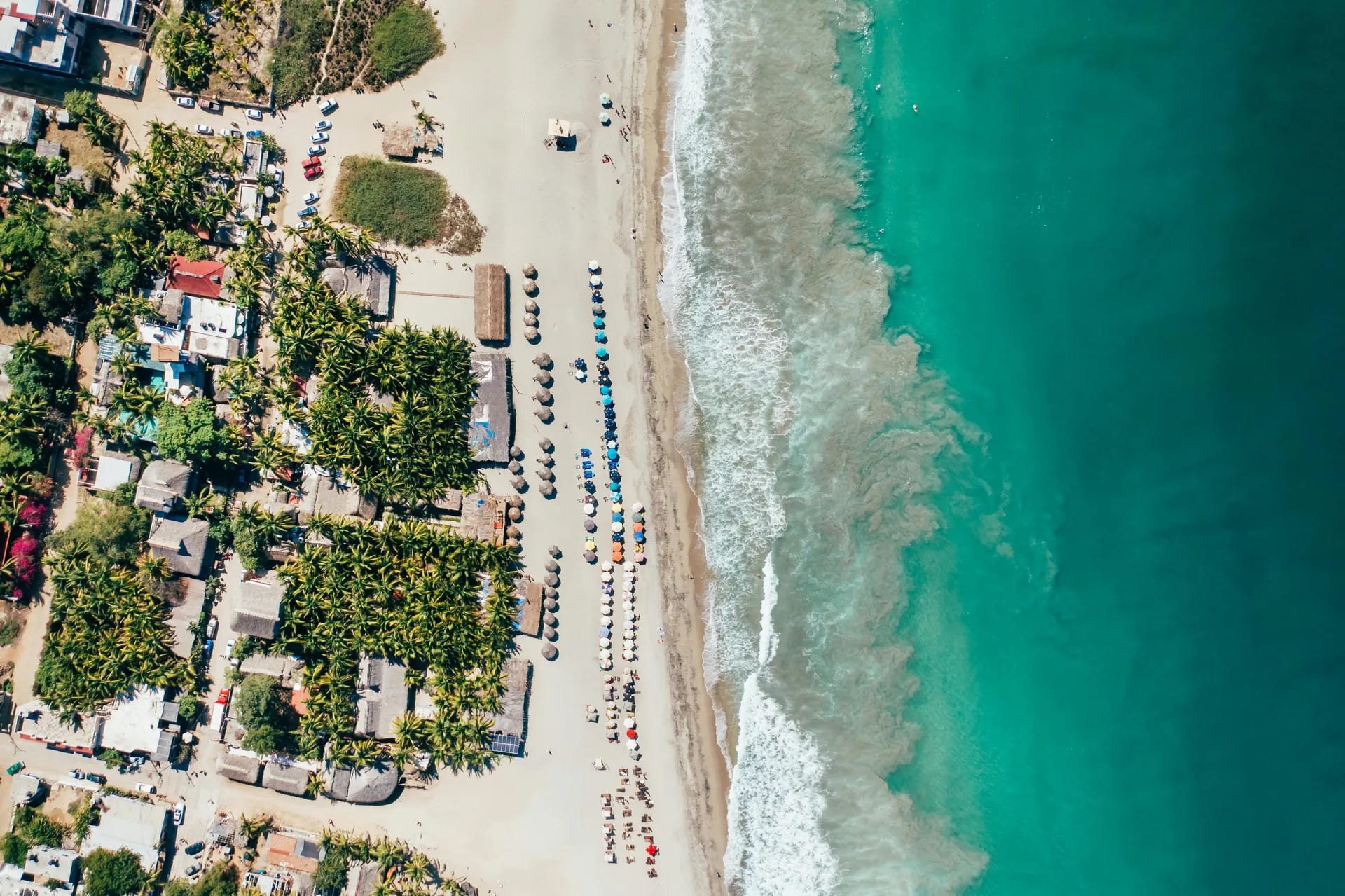
- Playa Ruinas (beneath the Mayan cliff-top ruins) is best visited November–April: calm seas, excellent snorkelling on the adjacent reef, and the iconic combination of archaeology and Caribbean water at its most photogenic. The ruins setting makes this one of the most visually dramatic beach spots in Mexico, and the dry season delivers it in ideal conditions.
- Playa Paraíso (the long Zona Hotelera beach strip) is enjoyable year-round but shines in shoulder months (May, October–November) when it has space to breathe. During July and August domestic holidays, the beach sees its highest domestic visitor volume and the hotel zone buzzes. During wet season, sargassum arrivals can affect some sections — checking current conditions before booking beach-front time is worthwhile.
- October–November and March–April: Both areas work beautifully. The Caribbean is calm and clear, crowds are moderate, and the overall Tulum vibe — eco-chic, unhurried, deeply beautiful — is at its most accessible.
- December–February: Peak conditions for Playa Ruinas and the cenotes. The dry season delivers its best performance and the crowds, while present, are manageable with early starts.
Sargassum: The Variable That Catches People Off Guard
Sargassum — the brown floating seaweed that has affected Caribbean beaches since roughly 2011 — is a seasonal reality at Tulum that deserves honest attention. Its arrival is unpredictable: some years the Zona Hotelera beaches remain largely clear through the wet season; other years large accumulations arrive from May onward and require daily cleaning by hotel staff.
What sargassum does NOT affect: cenote experiences. Gran Cenote, Dos Ojos, Jardín del Edén, Cenote Azul, and Casa Cenote are all freshwater systems entirely isolated from the open ocean — no seaweed, guaranteed crystal clarity. This is worth remembering when planning water time in months when sargassum risk is higher (June–September).
What sargassum CAN affect: the open Caribbean beach, particularly in front of some Zona Hotelera hotels. The reef snorkelling spots slightly offshore are less affected than the immediate shoreline. Our team recommends checking recent traveler photos on social media for current sargassum conditions before committing to beach-forward itineraries in summer months.
Crowds: The Variable That Shapes the Experience
Crowds at Tulum's top water sites in summer and during Christmas week are real and require honest planning. Gran Cenote — the most accessible and most famous — can receive several hundred visitors on a peak summer day. The experience inside is still beautiful, but the solitude that defines a cenote at its best requires either timing or strategy.
The strategies that work:
- Arrive at opening time (8am). Even in July, the first hour at Gran Cenote has a fraction of the midday crowd. The underwater visibility is best then too.
- Choose Dos Ojos or Jardín del Edén over Gran Cenote in high season. These cenotes receive fewer visitors and the experience is typically more spacious, especially on weekdays.
- Visit in May or October. Water conditions are nearly identical to peak season but with dramatically lower visitor numbers. May in particular is the most underrated month in the Tulum water calendar.
- Go during shoulder season. October–November or March–April deliver exceptional water experiences with reasonable crowds at all major sites.
- Use Casa Cenote as a tactical alternative. This open-air cenote near the mangroves at the edge of the Caribbean consistently has fewer visitors than Gran Cenote and offers a uniquely different experience — swimming between mangrove roots with the sea visible in the distance.

Practical Planning: When to Book and What to Expect
For accommodation during December–January and July–August, book at least 2–3 months in advance. The boutique hotels and eco-lodges in the Zona Hotelera that are known within the traveler community fill up fast. Beachfront options go first. Our guide to the best accommodation in Tulum covers the best-positioned options for every budget.
For shoulder months (March–April, October–November), less lead time is needed — two to four weeks is usually sufficient. In September you can often find exceptional value with minimal advance planning, though monitoring tropical weather forecasts is essential.
If your goal is the perfect cenote experience in solitude and ideal light, the optimal months are November through February with early morning entry. If you want warm Caribbean water, coral reef snorkelling, and a full Tulum immersion without peak-season prices, May and October are your months. If it's your first visit and you want the full package — beach, cenotes, ruins, and the Tulum vibe — February through March gives you the most reliably excellent combination.
Beyond the water, Tulum rewards exploration: the Mayan ruins at Cobá (45 minutes inland), a day trip to Bacalar's lagoon (3 hours south), or an afternoon in Tulum Pueblo's taco stands and night market complete the picture regardless of which month you arrive.
Summary: The Right Month for Your Goal
- I want the clearest cenotes with the fewest people: November–February, arrive at 8am opening.
- I want perfect Caribbean snorkelling and reef conditions: November–April, morning tours.
- I want quality without peak-season chaos or prices: May or October — Tulum's secret months.
- I want to see sea turtles in the water: Visit Akumal (30 min north) any month — year-round resident turtle population.
- I want the full Tulum experience on a first visit: February–March, ideal conditions across the board.
- I want to combine water with nature and a relaxed vibe: November is genuinely hard to beat.
- I'm on a tight budget and willing to work around weather: September — lowest prices, emptiest cenotes, requires flexibility.
auto_awesome Continue exploring Tulum
You Might Also Like
 article Aventuras calendar_today Jan 20, 2026
 Tulum Beach: Your Complete Guide to the Zona Hotelera and Beyond
Stretching over ten kilometers of powdery white sand and turquoise Caribbean water, Tulum’s coastline is one of the most
 calendar_today Apr 17, 2026
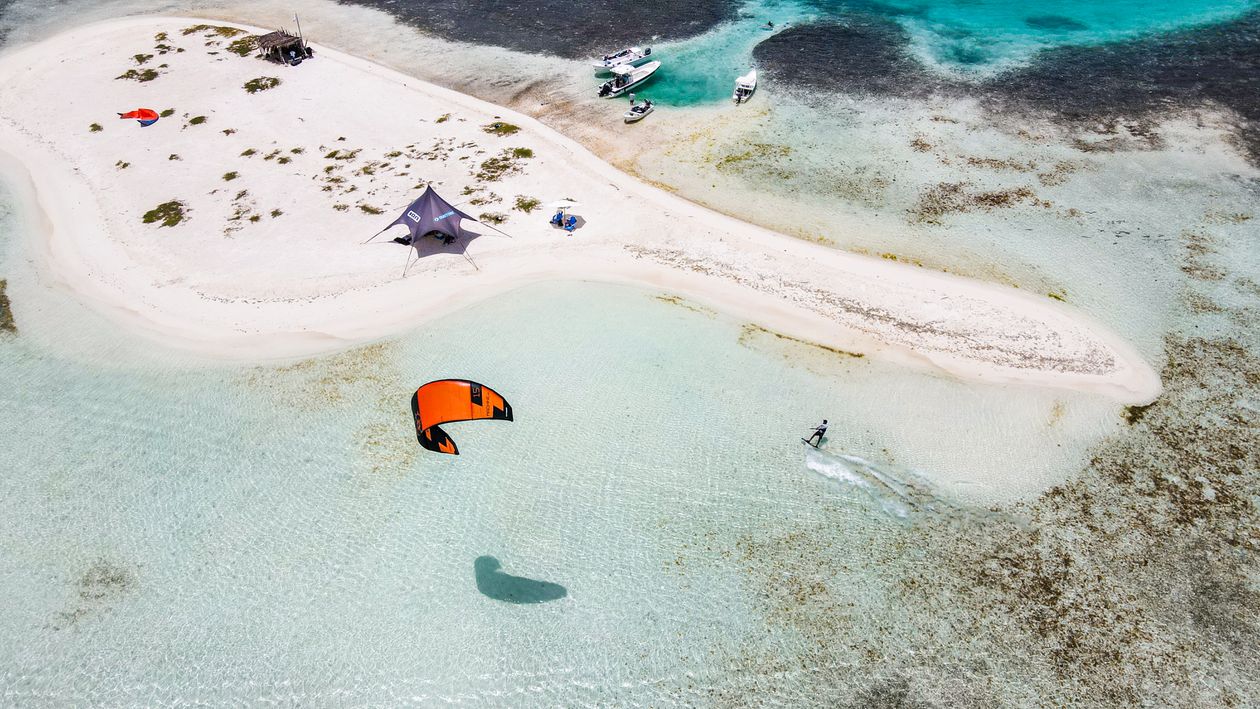
 Kitesurfing & Kiteboarding in Tulum: Conditions, Spots & Lessons
Tulum isn't the easiest kitesurfing destination in Mexico — and that's precisely what makes it interesting for those who
calendar_today Apr 15, 2026 The Tulum Challenge: A First-Timer's Guide to Cenotes, Ruins, and Caribbean Beaches
Tulum packs ancient Mayan cliff-top ruins, crystalline cenotes, and the turquoise Caribbean Sea into one compact stretch