
Tulum vs Puerto Vallarta: Which Is Right for You?
Mexico is enormous, and two destinations dominate the conversation among international travelers more than almost any others: Tulum, on the Caribbean coast of Quintana Roo, and Puerto Vallarta, on the Pacific coast of Jalisco. They're both wildly popular, both genuinely beautiful, and they have almost nothing else in common.
Tulum is a Caribbean destination — turquoise flat water, white sand, cenotes, Mayan ruins, a wellness and boutique hotel scene that has exploded in the past decade. Puerto Vallarta is a Pacific destination — a classic resort city on the vast Bahía de Banderas, with a proper Malecón, cobblestone streets in El Centro, a legendary gay-friendly Zona Romántica, and humpback whales offshore from December through March.
Neither is "better." They attract different types of travelers and deliver completely different experiences. This comparison will help you figure out which one matches what you're actually looking for.
At a glance: comparison table
| Category | Tulum | Puerto Vallarta |
|---|---|---|
| Location | Caribbean coast, Quintana Roo | Pacific coast, Jalisco/Nayarit |
| Vibe | Bohemian, eco-chic, wellness-focused | Lively resort city, warm and welcoming |
| Beaches | Flat turquoise Caribbean, white sand | Sheltered Pacific bays, calm swimming |
| Signature experience | Cenotes, Mayan ruins, reef snorkelling | Whale watching, Los Arcos, Malecón |
| Wildlife | Sea turtles, reef fish, flamingos | Humpback whales, blue-footed boobies, dolphins |
| Nightlife | Jungle clubs, boutique bars, chill | Active, international clubs, LGBTQ+ scene |
| Price | Expensive (luxury hotels dominate) | Wide range, budget to luxury |
| Accessibility | Cancún airport + 2-hr transfer | Major airport, direct US/Canada flights |
| Best for | Ruins, cenotes, honeymooners, eco-travelers | Families, LGBTQ+ travel, whale watching, foodies |

The beaches: Caribbean flat vs Pacific bay
This is the most immediate physical difference between the two destinations. Tulum's beaches front the Caribbean Sea: the water is notoriously flat, gin-clear, and turquoise. You can see the reef from the shoreline. Waves are gentle and predictable. The color is legitimately postcard-worthy. The flipside: those same beaches are now lined with boutique hotels and private beach clubs, and access to a decent stretch of sand often comes with a minimum spend at a lounger.
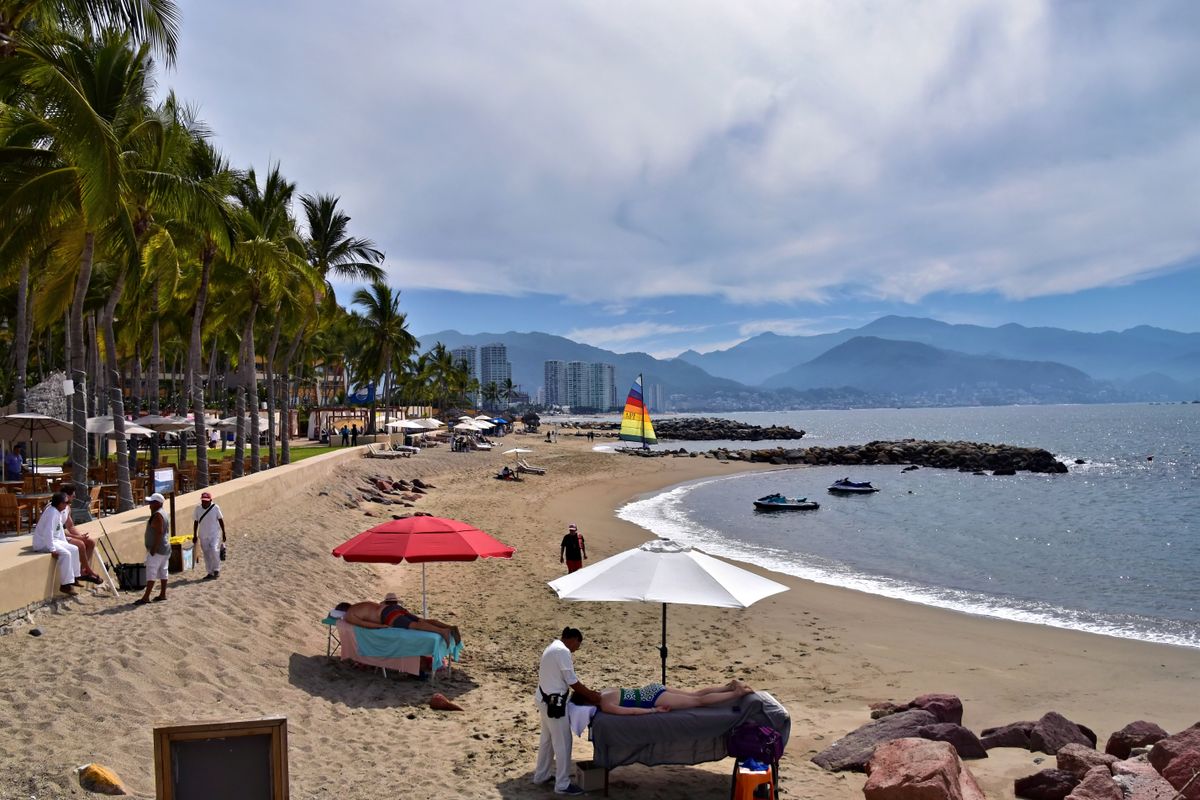
Puerto Vallarta sits inside Bahía de Banderas — one of the largest natural bays on the Mexican Pacific coast. That geography gives it sheltered, swimmable water without the flatness of the Caribbean. Playa Los Muertos in the Zona Romántica is the most popular stretch: accessible, lively, no minimum spend required. Further south, Conchas Chinas and Playa Mismaloya offer a quieter alternative. The water is a deeper Pacific blue, warmer than you'd expect, and calm enough for young children.
For sheer photogenic Caribbean color, Tulum leads. For relaxed, accessible beach time with real urban life nearby, Puerto Vallarta wins easily.
Wildlife and nature: two completely different worlds
This is where the comparison gets genuinely exciting — and where Puerto Vallarta surprises most first-time visitors. Between December and March, humpback whales congregate in Bahía de Banderas to breed and calve, making PV one of the best whale watching destinations in the Americas. Our team has been on trips where we've counted more than a dozen whales breaching within an hour. It's one of those experiences that recalibrates your sense of what's possible on a beach vacation. You can book a dedicated whale watching tour that puts you right in the middle of it.
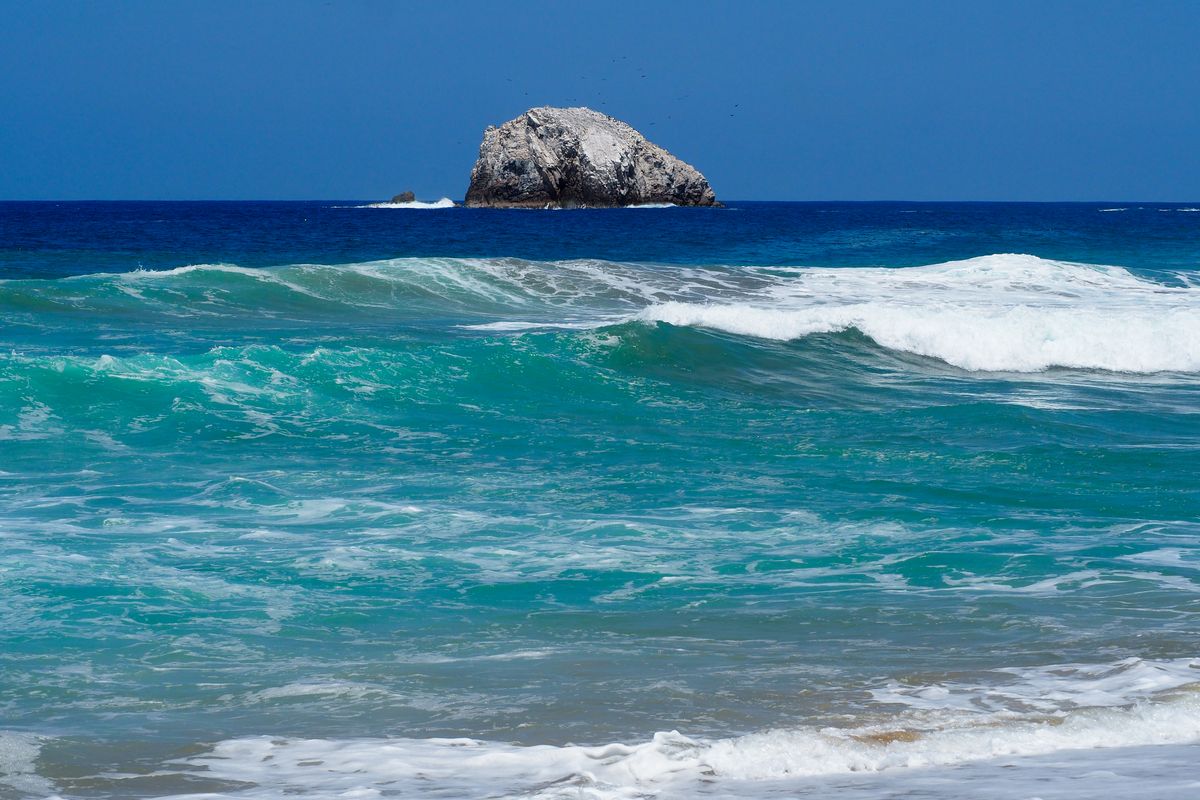
Day trips to the Marietas Islands — a protected biosphere reserve — add blue-footed boobies, manta rays, and a hidden beach accessible only at low tide. Los Arcos marine sanctuary, just south of the city, is one of the best snorkelling spots on the Pacific coast of Mexico: sea turtles, eels, pufferfish, and hundreds of reef species in waters you can reach in 20 minutes.
Tulum offers Caribbean reef snorkelling and sea turtle nesting beaches (July–October), along with the extraordinary Sian Ka'an biosphere reserve. But it doesn't have anything to match whale watching at the scale PV delivers.
The signature experiences: cenotes vs Malecón
Tulum's trump card is what's underground and just inland: cenotes. These freshwater sinkholes, connected by underground rivers through the Yucatán limestone, are unlike anything else on Earth. Gran Cenote, Dos Ojos, and Cenote Calavera are all within easy reach of the town. Add the clifftop Mayan ruins overlooking the sea, and you have a combination of archaeology and nature that simply doesn't exist anywhere near Puerto Vallarta.
Puerto Vallarta's answer is different but equally compelling. The Malecón — the oceanfront boardwalk running through the heart of El Centro — is one of the great public promenades in Mexico. Lined with sculptures, restaurants, bars, and street performers, it's where the city's social life spills onto the water's edge. Behind it, the cobblestone streets of El Centro climb into the hillside, with the cathedral, the river market, and dozens of galleries and restaurants that have been there for generations.
Then there's the Zona Romántica: the neighborhood south of the Cuale River that hosts the city's famously inclusive LGBTQ+ scene, its best concentration of independent restaurants, and the Olas Altas street market. Our team genuinely loves wandering this area at dusk — the energy is warm, the food is exceptional, and it feels authentically Mexican despite the international crowd.
The day trip options from PV are also worth noting: Sayulita (a laid-back surf and market town 45 minutes north), the colonial mountain village of San Sebastián del Oeste (a three-hour drive into the Sierra Madre), and the Marietas Islands biosphere reserve.
Food: local tradition versus resort variety
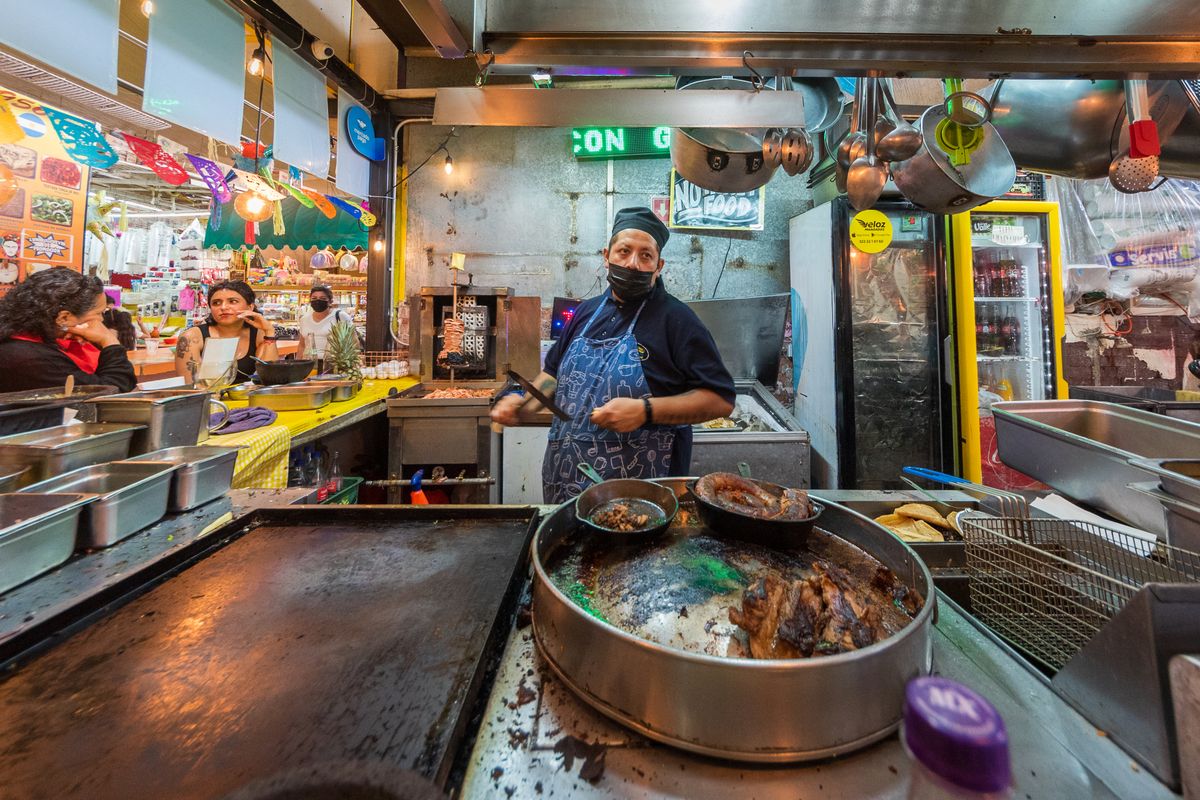
Puerto Vallarta punches well above its resort-city reputation when it comes to food. The Zona Romántica alone has enough independent restaurants to keep a serious eater busy for a week: Mexican seafood, traditional tacos de canasta, fresh ceviche, and a handful of genuinely excellent fine dining restaurants that would hold their own in any major city. The Mercado Municipal and the riverside Mercado del Río offer the fastest route to cheap, authentic local food — try the birria tacos and the fresh aguas frescas before you do anything else.
Fish and seafood are the natural starring ingredients here. Jalisco-style cooking shows up in the form of birria, pozole, and tortas ahogadas. Along the seafront, mariscos restaurants serve whole zarandeado fish (a specialty of the Nayarit coast just north of PV), shrimp aguachile, and oysters from the estuary. Prices in the Zona Romántica and along the Malecón skew toward visitors, but a short walk inland lands you in genuinely local territory at a fraction of the cost.
Tulum's food scene has gotten very good in recent years, but it's mostly high-end and international in flavor — which makes sense given the boutique hotel audience. For travelers who want to eat deep into Mexican regional cooking, Puerto Vallarta offers more accessible variety.
Nightlife: Puerto Vallarta wins clearly
There's no need to overcomplicate this section. Puerto Vallarta has one of the most active and welcoming nightlife scenes in Mexico, driven in large part by its famous Zona Romántica. The LGBTQ+ community has deep roots here going back decades — this is genuinely one of the most inclusive destinations in Latin America, not just a branding exercise. Olas Altas Street is lined with bars and clubs that stay busy until sunrise, with drag shows, live music, rooftop terraces, and a cross-section of locals and international visitors that creates a distinctive energy.
Beyond the Zona Romántica, the Malecón has its own strip of bars and live music venues, Marina Vallarta has a more polished cocktail bar scene, and Nuevo Vallarta (across the Nayarit border) adds resort-scale entertainment options. The nightlife here runs seven days a week in high season.
Tulum has a different kind of nightlife: open-air jungle clubs, boutique cocktail bars, and a curated scene that feels more exclusive and often requires advance reservations at higher prices. It's sophisticated but not lively in the way PV is. If dancing until sunrise in a social, open atmosphere matters to your trip, Puerto Vallarta is the clear choice.
Getting there: PV is the easy option

Puerto Vallarta International Airport (PVR) receives direct flights from dozens of US and Canadian cities — Los Angeles, Chicago, Toronto, Houston, Dallas, Denver, Seattle, and more — plus frequent connections from Mexico City and Guadalajara. For most North American travelers, getting to PV involves exactly one direct flight and then a 15-minute taxi to the hotel. It doesn't get simpler than that.
Tulum is a different story. Cancún International Airport (CUN) is the nearest major hub — a well-connected airport — but Tulum itself is about two hours south by road, requiring a shuttle, rental car, or ADO bus transfer. The town also now has a small dedicated airport (TQO), but connections remain limited. The Caribbean coast of Quintana Roo is served well from the US East Coast and Midwest, but for travelers coming from the US West Coast or Canada, the routing is often no simpler than flying to PV.
For sheer ease of arrival, especially from western North America, Puerto Vallarta is the straightforward choice.
Price: a more nuanced picture than you might expect
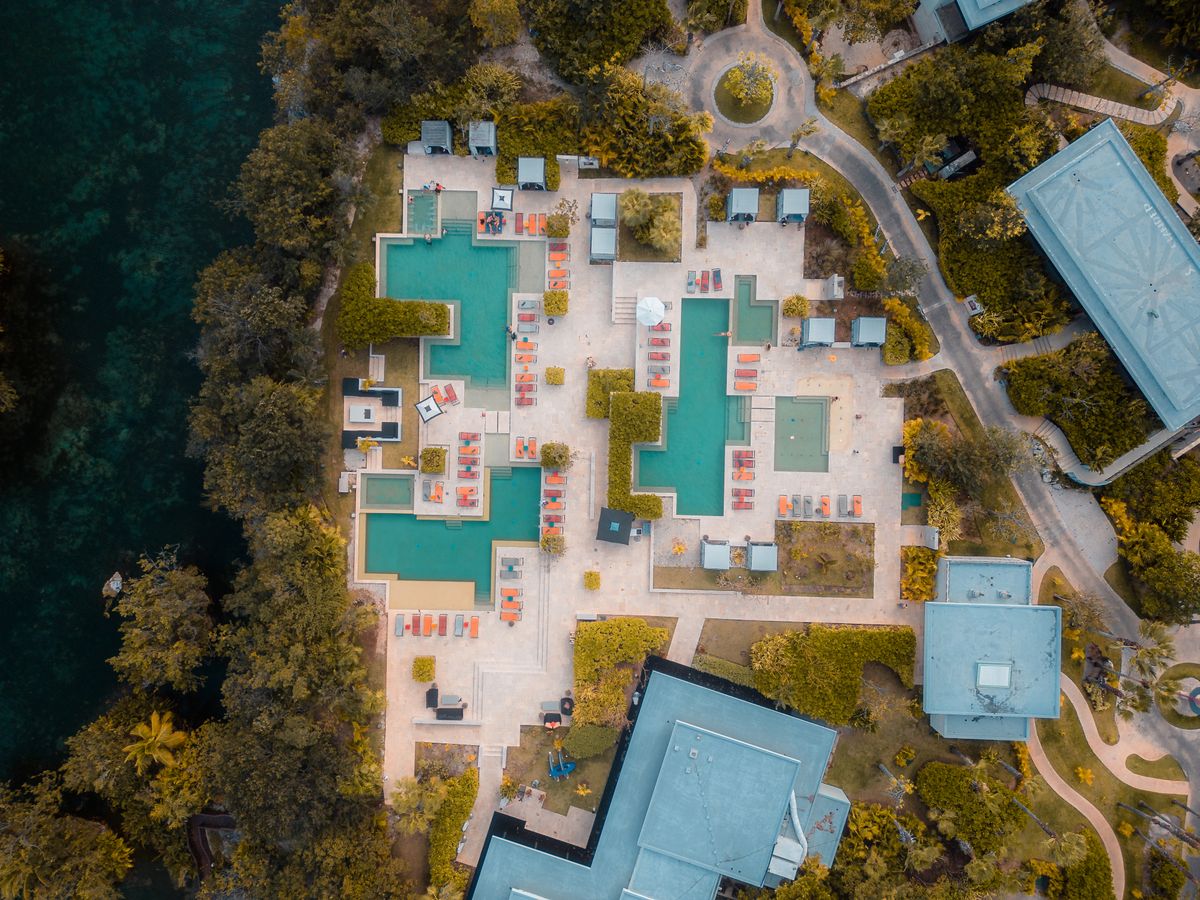
Tulum has a reputation as a Caribbean destination that has priced itself toward a luxury audience, and that reputation is largely earned. The boutique hotel strip along the beach road is genuinely expensive — $200–500 USD per night is common, and budget options are scarce on the beach itself. Food and activities follow the same curve.
Puerto Vallarta is more layered. Some indicative benchmarks (2025–2026):
- Accommodation: Guesthouses and small hotels in El Centro or the Zona Romántica start at $50–80 USD per night. Mid-range hotels in the Hotel Zone run $120–200. Full-service resorts in Nuevo Vallarta can exceed $350 per night, but you're never forced into that tier.
- Food: A proper taco lunch at a local spot in El Centro costs $4–8 USD. A sit-down dinner in the Zona Romántica averages $18–30 per person with drinks. You have real choices at every price point.
- Activities: A whale watching tour runs $65–85 USD per person. Snorkelling at Los Arcos comes in around $45–60. A Marietas Islands day trip is typically $80–100.
- Drinks: A beer or mezcal at a local bar in El Centro is $2–4 USD. At bars along the Malecón or in the Zona Romántica, $5–10 is standard.
The honest comparison: Puerto Vallarta gives you more flexibility across budgets than Tulum, particularly if you're willing to stay inland of the beachfront. Budget travelers can do PV well. Budget travelers in Tulum are fighting a much harder battle.
Family travel: both work, for different reasons
Puerto Vallarta has clear practical advantages for families: the sheltered water of Bahía de Banderas is safe for children of all ages, tourist infrastructure is mature and family-oriented, the Hotel Zone has pools and on-site entertainment, and getting there doesn't require a complicated transfer. Whale watching between December and March is a family experience that genuinely delivers — we've seen kids completely transfixed by breaching humpbacks in a way that no theme park can replicate.
Tulum works well for families who are specifically interested in cenotes, archaeology, and reef snorkelling. The ruins, the organized cenote tours, and the Sian Ka'an reserve can be extraordinary for children old enough to engage with them (roughly 7 and up). The challenge is that Tulum's beach scene is more adult-oriented and expensive, and the logistics of the Caribbean coast involve more planning.
For straightforward family beach vacations with young children, Puerto Vallarta is the easier call. For families looking for an educational nature and archaeology trip, Tulum has the content advantage.
Who should choose Puerto Vallarta?
- Wildlife and nature lovers who want to see humpback whales, blue-footed boobies, and Pacific marine life up close — experiences with no Caribbean equivalent. Don't miss the whale watching tour if you visit December through March.
- LGBTQ+ travelers looking for a destination with a genuinely welcoming, established, and vibrant community — the Zona Romántica is one of the best in Latin America.
- Families with young children who need calm swimming beaches, full-service infrastructure, and a simple arrival.
- Budget-flexible travelers who want options across the full price range, from local taquerías to beachfront resorts.
- Nightlife seekers who want an active, social, all-week scene rather than a curated jungle club experience.
- Foodies drawn to genuine Mexican regional cooking — Jalisco cuisine, Nayarit-style seafood, and the rich market culture of El Centro.
- West Coast North Americans for whom a direct flight to PVR is genuinely the simplest Pacific Mexico option.
- Day trip enthusiasts who want to explore: Sayulita, the Marietas Islands, and San Sebastián del Oeste are all accessible and distinct.
Who should choose Tulum?
- Cenote obsessives — there is truly nothing on the Pacific coast that approximates the experience of swimming through an underground river system in the Yucatán.
- Archaeology travelers who want Mayan ruins integrated into their beach trip (the Tulum ruins overlooking the Caribbean are genuinely spectacular).
- Honeymooners and couples drawn to the romantic boutique hotel scene and the polished, intimate atmosphere.
- Eco-travelers interested in the Sian Ka'an biosphere reserve, sea turtle nesting beaches, and Caribbean reef ecosystems.
- East Coast US and Midwest travelers with convenient direct flights to Cancún who are already planning to be on the Yucatán Peninsula.
- Travelers who've done the Caribbean standard circuit and want something with more cultural and ecological depth than Cancún.

Can you do both on one trip?
Technically yes, but understand that these destinations are not close to each other. Puerto Vallarta is on the Pacific coast of Jalisco. Tulum is on the Caribbean coast of Quintana Roo. They are more than 1,400 kilometers apart as the crow flies, on opposite sides of the country. There is no direct road connection. Combining them means a connecting flight (usually through Mexico City or Guadalajara) — typically an additional half-day of travel each way.
If you have two weeks and want to see both, it's doable — but you'll want at least five to seven days at each destination to make the journey worthwhile. A two-night stop at each isn't a fair trial of either place. Our recommendation: pick the one that fits your travel profile for this trip, do it properly, and put the other on the list for your next visit to Mexico. They're different enough that you won't regret either choice.
The final call
If you want whale watching in one of the most dramatic natural spectacles in the Americas, a vibrant and inclusive city atmosphere, cobblestone streets with genuine local character, the Malecón at sunset, and a range of options that works across budgets: Puerto Vallarta.
If you want to swim in cenotes, explore Mayan ruins, snorkel on Caribbean reef, and stay in a boutique hotel in the jungle: Tulum.
To plan your Puerto Vallarta trip in detail, browse our full selection of tours and excursions — from whale watching to Los Arcos snorkelling to Marietas Islands day trips. If you're still deciding on timing, whale watching season (December through March) is consistently our most-recommended window for first-time visitors.
auto_awesome Continue exploring Tulum
You Might Also Like
 calendar_today Apr 29, 2026
 Tulum vs Cancun: The Honest Comparison
Two completely different Mexican beach destinations. One wins on accessibility, all-inclusives, and nightlife. The other
 calendar_today May 9, 2026
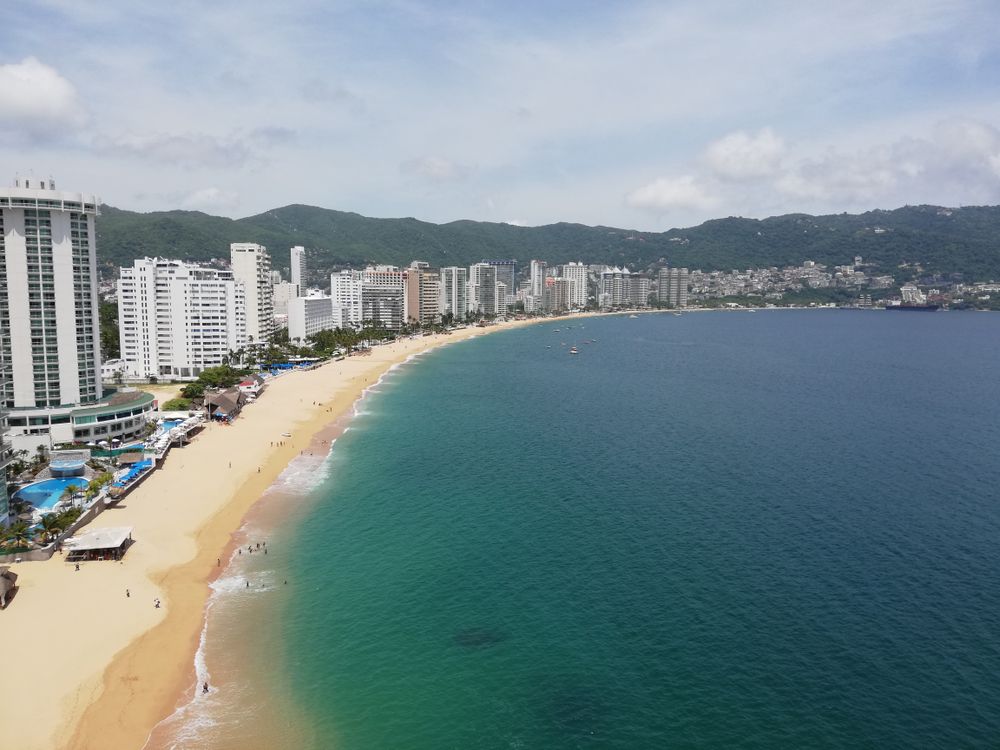
 Tulum vs Acapulco: Why the Caribbean Won
Acapulco was for decades the most glamorous beach resort in Mexico. Tulum is what grew to replace it — but on the opposi
 calendar_today May 6, 2026
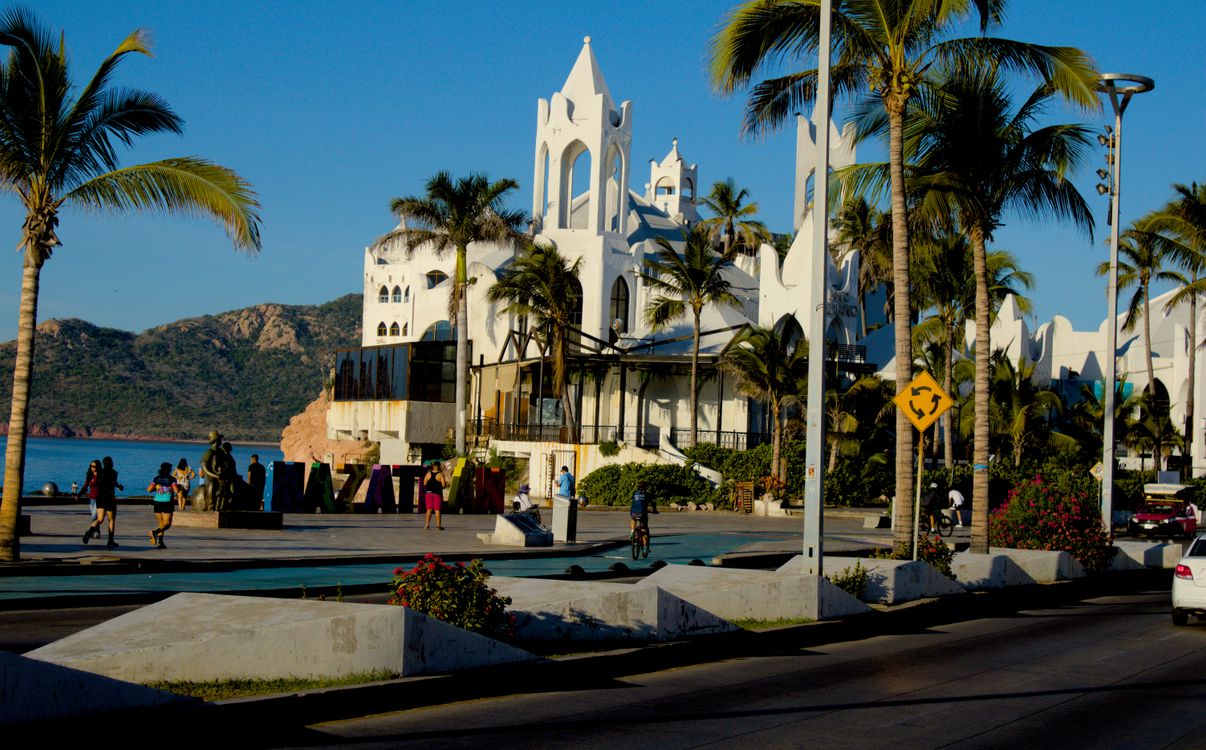
 Tulum vs Mazatlán: Caribbean Jungle Meets Pacific City
Mazatlán and Tulum sit on opposite coasts of Mexico and offer completely different experiences. One has one of Mexico's