
Tulum vs Cancun: The Honest Comparison
It's probably the most common question we get: "Cancun or Tulum?" And the honest answer isn't "Tulum, always" — it's "it depends entirely on what you're looking for." These two Mexican Caribbean destinations are so different from each other that comparing them actually makes more sense than picking one at random.
Cancun wins at some genuinely important things. So does Tulum. This guide isn't tourism marketing dressed up as a comparison — it's a real analysis to help you choose the destination that fits your travel style.
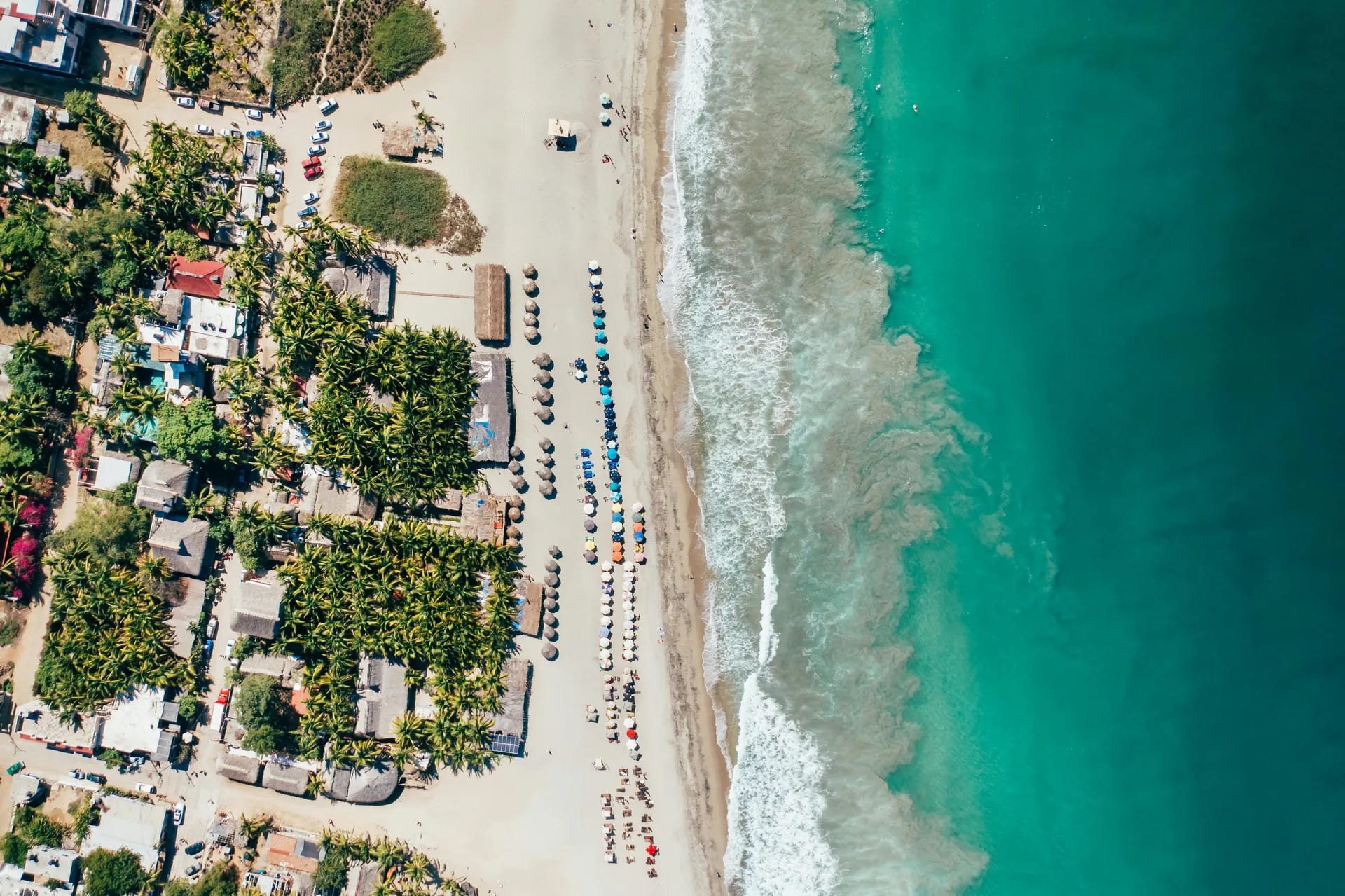
Quick Comparison Table
| Category | Tulum | Cancun |
|---|---|---|
| Vibe | Eco-chic, wellness, Mayan ruins, boutique | International resort, party, mass tourism |
| Ocean | Calm Caribbean, turquoise, warm, swim-friendly | Calm Caribbean, turquoise, swim-friendly |
| Cenotes | World-class (Gran Cenote, Dos Ojos, Jardín del Edén) | Access via day trips (slightly farther) |
| Ruins | Mayan ruins on-site; Cobá 45 min away | Chichén Itzá day trip (2.5–3 hr) |
| Marine life | Coral reef snorkelling, sea turtles at Akumal, cave diving | Coral reefs, whale sharks (seasonal), Isla Mujeres |
| Food | Strong vegan/organic scene; taco stands in Pueblo; upscale jungle restaurants | International, tourist-oriented (improving) |
| Nightlife | Intimate jungle clubs, beach bars, wellness-focused | Massive clubs, spring break, Coco Bongo |
| All-inclusive | Almost none | Available across all price ranges |
| Price | Mid-range to expensive (eco-chic premium) | Wider range (budget to ultra-luxury) |
| Accessibility | 130 km south of Cancun; ADO bus, taxi, or car rental | One of Mexico's busiest airports, direct flights worldwide |
| Safety | Generally safe with normal precautions | Hotel Zone very safe; some outer areas need awareness |

The Beaches: Both Caribbean, but Very Different Experiences
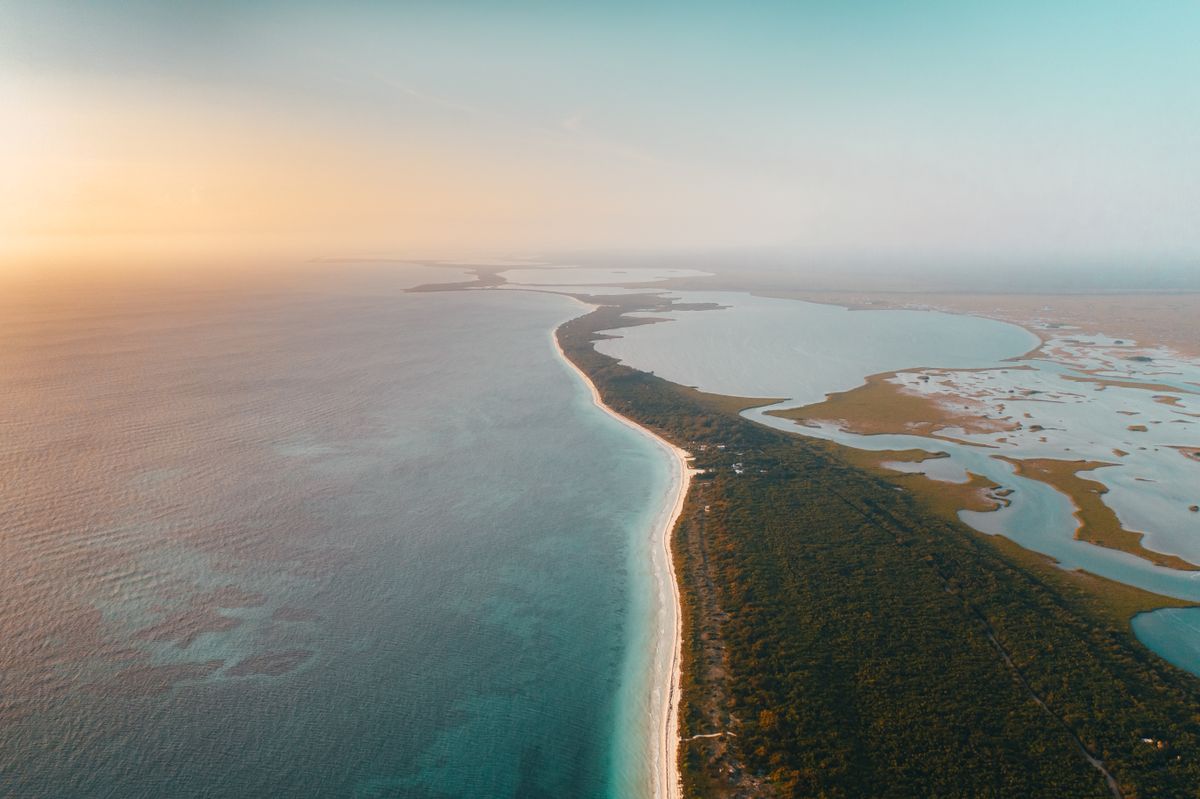
Here's something the comparison guides often gloss over: both Tulum and Cancun face the Caribbean Sea. The water is turquoise, warm, and calm in both places. The ocean itself isn't the deciding factor — it's the setting around that ocean that makes them feel worlds apart.
Cancun's beaches — especially in the Hotel Zone — are the Caribbean postcard: wide, manicured stretches of white sand with calm water that's perfect for swimming, snorkeling, or simply floating. Large beach clubs and all-inclusive resorts line the shore. It's exactly what most people picture when they think "luxury Mexican beach."
Tulum's beach scene is more intimate and wilder in feel. The Zona Hotelera (hotel strip) runs along a narrow coastal road lined with boutique eco-lodges, thatched-roof restaurants, and yoga platforms. The standout is Playa Ruinas — a stretch of white sand directly below the ancient Mayan cliff-top ruins, arguably the most photogenic beach in all of Mexico. Further south, Playa Paraíso is a quieter, palm-fringed stretch that consistently ranks among the Caribbean's most beautiful beaches.
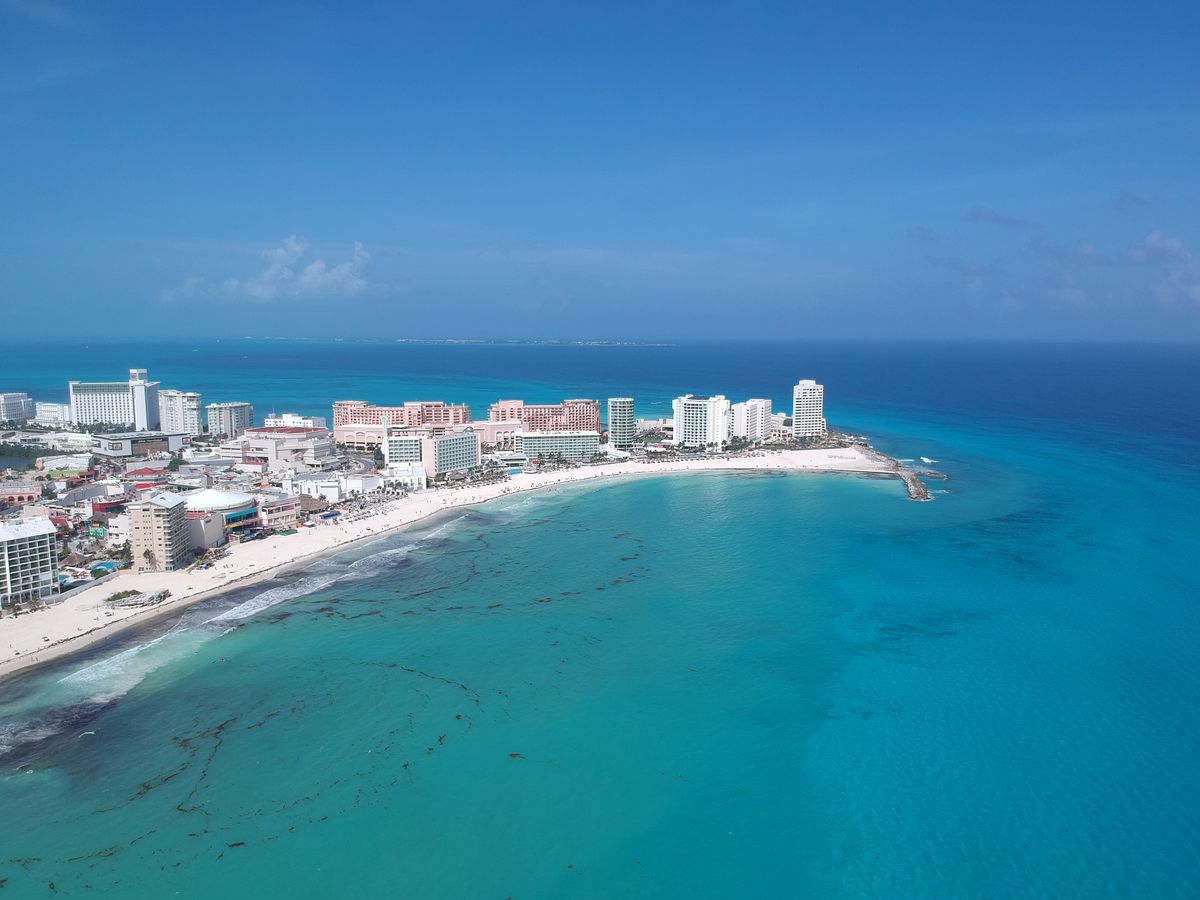
Verdict: Both have stunning Caribbean water. Choose Cancun for wide, open, easy-access beaches. Choose Tulum for the drama of Mayan ruins overhead, smaller boutique stretches, and a jungle-meets-sea atmosphere.
Cenotes: Tulum Has the Edge Here
This is where Tulum genuinely shines above Cancun. Cenotes — the Yucatan Peninsula's famous freshwater sinkholes, flooded limestone caves, and crystal pools — are one of the planet's truly unique experiences, and Tulum sits in the heart of cenote country.
Gran Cenote, just 4 km from Tulum's main strip, is arguably the most beautiful: a partially open cave pool with stalactites, crystal-clear water, and resident turtles. Dos Ojos is a world-famous cave-diving and snorkeling cenote with an incredible underwater cave system. Jardín del Edén (also called Ponderosa) is a sprawling open cenote perfect for swimming. Cenote Azul has a reef-like interior with incredible visibility. Casa Cenote, near the coast, connects to the sea through underground channels — an otherworldly experience.
Cancun also has access to cenotes, but they're generally farther away — the best ones are concentrated in the Tulum and Playa del Carmen corridor, meaning Cancun visitors often take a half-day or full-day trip to get to them. If cenotes are high on your list, Tulum puts you right at the source.
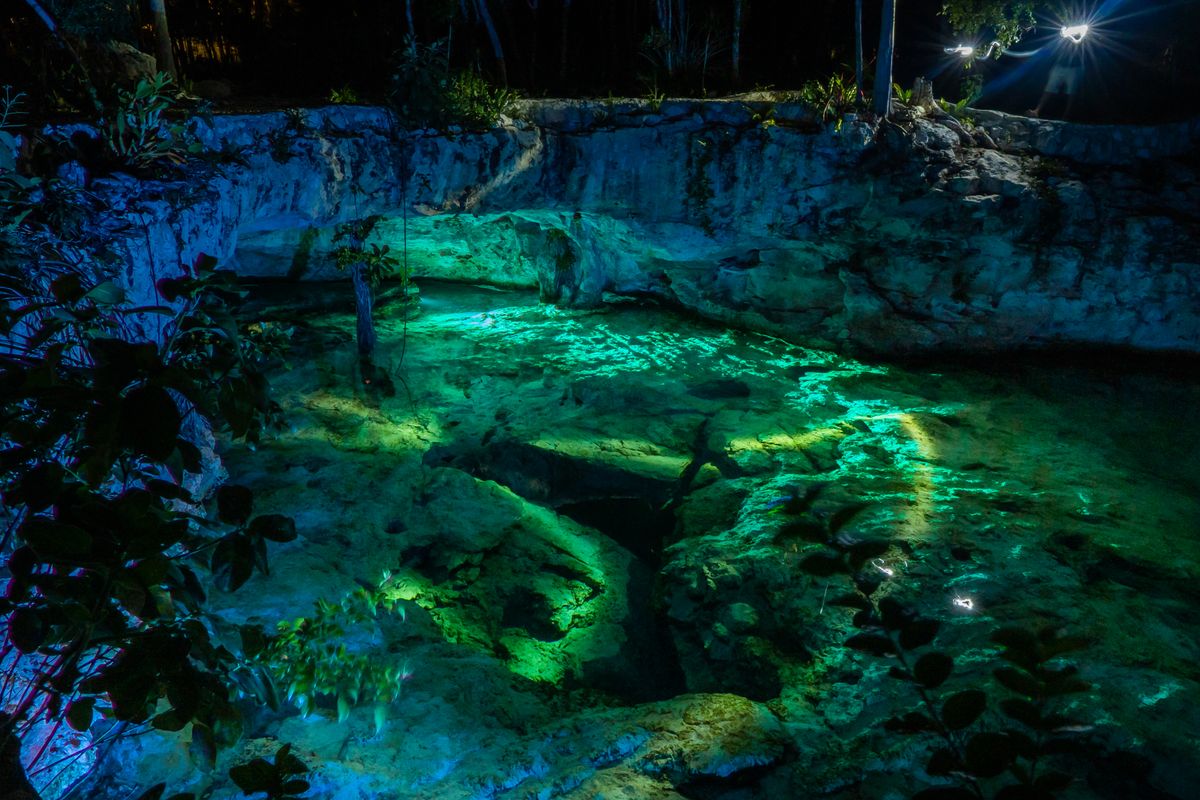
Book our cenotes tour from Tulum or the Dos Ojos snorkeling experience to visit multiple cenotes with a local guide who knows the best swimming spots and light conditions.
Mayan Ruins: Tulum Has Them On-Site
One of Tulum's most spectacular cards is that the ancient Mayan ruins sit right on the cliff above the beach — you can walk from your hotel to a UNESCO-recognized archaeological site in minutes. The Tulum ruins aren't the largest Mayan site on the peninsula, but the setting is unmatched: turquoise Caribbean water crashing below, iguanas basking in the sun, a walled citadel perched dramatically over it all.
For those who want to go deeper into Mayan history, Cobá is 45 minutes inland — a larger, more jungle-shrouded site with a tall pyramid you can still climb for panoramic views. Chichén Itzá, one of the New Seven Wonders of the World, is a 2.5-hour drive that's doable as a day trip from Tulum (or from Cancun, though Cancun is slightly closer).
From Cancun, the ruins require more logistics — Tulum's ruins are 130 km south, and Chichén Itzá is 2.5–3 hours west. Cancun is not a ruins destination in itself; it's a launching pad. Tulum, by contrast, is built around its archaeological heritage.
Marine Life: Snorkelling, Sea Turtles, and Cave Diving
There's no loser here — these are completely different experiences, equally valid.
Cancun is the gateway to the Mexican Caribbean's open-water marine ecosystem: the second-largest coral reef system on earth is minutes away by boat, Isla Mujeres offers whale shark snorkeling from June to September, and the waters are rich with tropical fish, rays, and sea life.
Tulum's marine offering is more focused on what happens underwater in the cenotes and the reef. The coral reef snorkeling off Tulum Beach is excellent — the reef is close to shore and accessible by short boat ride. But the real draw is cenote cave diving and snorkeling: the underground river systems at Dos Ojos and nearby cave systems are world-famous among divers and rank among the best freshwater cave experiences on the planet.
For sea turtles, Akumal — just 30 minutes north of Tulum along Highway 307 — is one of the few places in the world where you can swim with wild sea turtles year-round in their natural habitat. No tour boat required; just snorkel gear and a short walk into the bay.
Want whale shark snorkeling and open-water reef diving? Cancun and Isla Mujeres have the edge. Want cenote cave snorkeling and swimming with sea turtles steps from your hotel? Tulum wins. Book our Akumal sea turtle tour or the reef snorkeling excursion in advance during high season.
The Sian Ka'an Biosphere: Tulum's Wild Backyard
South of Tulum lies one of Mexico's most extraordinary natural reserves: the Sian Ka'an UNESCO Biosphere Reserve. Spanning over 500,000 hectares, it encompasses tropical forests, mangroves, coastal lagoons, and a section of the Mesoamerican Barrier Reef. It's home to jaguars, manatees, crocodiles, flamingos, and hundreds of bird species.
Day trips into Sian Ka'an from Tulum typically involve boat rides through the lagoon system, floating down ancient Mayan canals, birdwatching in the mangroves, and spotting wildlife in a landscape that feels genuinely untouched. There is nothing equivalent accessible from Cancun — the reserve is specifically a Tulum advantage.
Food: Organic, Vegan, and Local Taco Stands
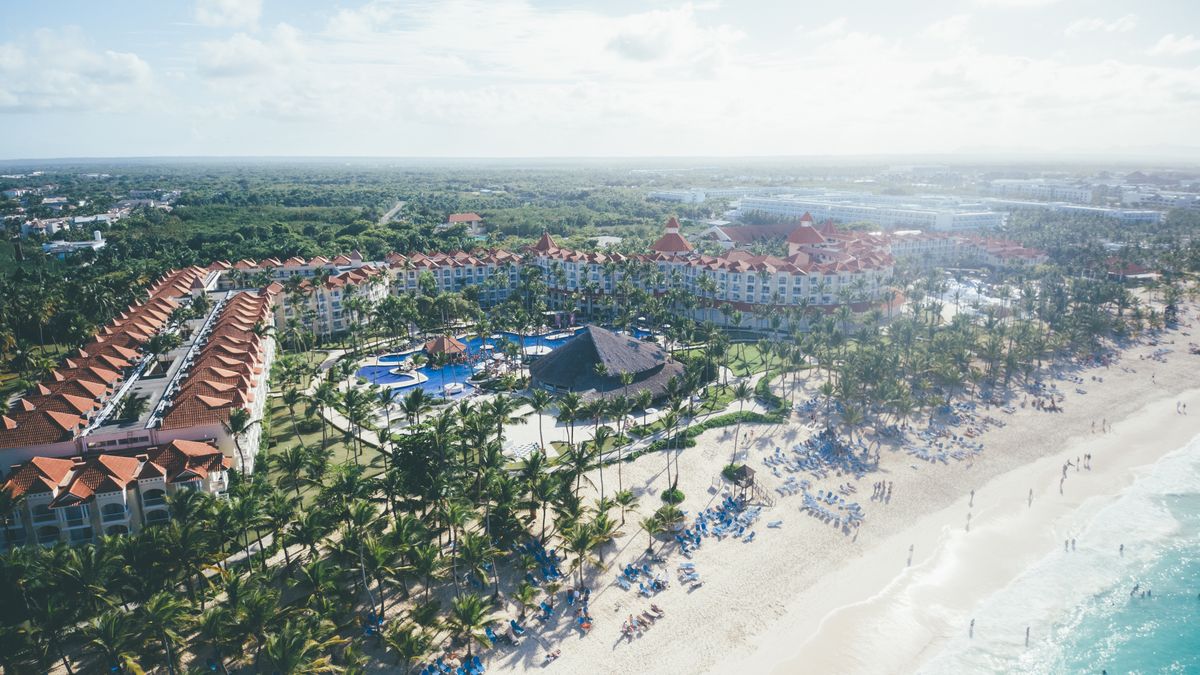
Tulum has developed one of Mexico's most distinctive food scenes — and it doesn't fit the typical beach-resort mold. The wellness and eco-chic crowd that settled here brought with it an unusually strong organic, vegan, and plant-based dining culture. The jungle restaurants in the Zona Hotelera are atmospheric and creative — open-air, thatched roof, candlelit, and often expensive.
But the better-value discovery is Tulum Pueblo (the town). The main strip in centro has excellent taco stands, the El Camello night market, and a range of local Mexican restaurants where a full meal costs $5–12 per person. The contrast between the boutique jungle dining of the hotel zone and the honest local cooking in Pueblo is part of Tulum's appeal.

Cancun has everything: quality international cuisine, global chains, upscale Hotel Zone restaurants, and genuine local options if you venture off the tourist circuit. The food scene has improved significantly in recent years. But the context is a destination built for mass tourism, and that shows in menus and prices. You can eat very well in Cancun — just don't expect the organic-jungle-meets-ancient-culture food identity that Tulum has carved out.
Nightlife: Cancun Wins — If That's What You Want
Let's be direct: if nightlife matters to you, Cancun is clearly superior. The Hotel Zone has clubs with capacity for thousands, Coco Bongo is a global institution, there are themed bars, beach clubs, and a spring break scene that runs for months. It's one of the largest party scenes in Latin America.
Tulum has its own version of nightlife — but it's a different animal entirely. The jungle clubs in the Zona Hotelera (think Papaya Playa Project, Zamna, Vagalume) are intimate, design-forward, and known for world-class DJ lineups in open-air settings under the stars. It's more boutique festival than mass-market club night. People who visit Tulum generally wake up for sunrise yoga and save energy for a late night that ends at midnight, not five in the morning.
All-Inclusives: A Structural Difference
Cancun has one of the highest concentrations of all-inclusive hotels in the world. From mid-range budget chains to ultra-premium 5-star resorts at several hundred dollars per night. For families, couples who want simplicity, or travelers who prefer knowing their total spend in advance, the all-inclusive model has genuine value.
Tulum has almost none of that. Accommodation is small boutique eco-lodges, design hotels, rental apartments, and some beachfront bungalows. It's more flexible but requires more planning — you leave the property for every meal and every activity. For independent travelers, this is a feature: every meal is a real choice, money goes to local businesses, the experience is more curated and authentic. For those who want a hassle-free week, Cancun simplifies things considerably.
Accessibility: Cancun Wins Clearly
Cancun International Airport (CUN) is one of the busiest in Mexico, with direct flights from dozens of cities across the United States, Canada, Europe, and Latin America. You land, take a taxi or shuttle, and you're in the Hotel Zone in 20 minutes. It's probably the easiest entry point to Mexico in the world.
Tulum is 130 km south of Cancun — and most visitors actually fly into Cancun and travel from there. The options are: ADO bus (about 2 hours, very comfortable and affordable), taxi or private transfer (about 2 hours), car rental along Highway 307, or colectivo shared vans that run frequently and cheaply. Tulum does have a small airport (TQO), but most international travelers still route through Cancun. Read our full guide on how to get to Tulum before booking flights.
This accessibility dynamic actually creates an interesting option: many travelers fly into Cancun, spend a few days there, then travel down to Tulum for the second half of the trip.
Price: Tulum Is Not the Budget Option
Here's a common misconception worth addressing: Tulum is not the cheaper alternative to Cancun. The eco-chic, boutique character of the destination has pushed accommodation prices up significantly. In Tulum's Zona Hotelera, even modest beach bungalows can run $150–300 per night. The design hotels and eco-lodges that define the destination often charge more than mid-range Cancun resorts.
Where Tulum is cheaper is in Tulum Pueblo: guesthouses run $40–80 per night, and eating local in the town is genuinely affordable. A comfortable week based in Pueblo with day trips to the beach, cenotes, and ruins can come in at $800–1,100 per person all-in. Cancun has more range at the budget end — three-star all-inclusives exist in the $80–120 per night range — but Cancun's luxury ceiling is similar to Tulum's. See our complete budget travel guide for tips on keeping costs down in Tulum.
Safety: Both Are Safe Destinations for Tourists
It's worth being direct on this because there's a lot of misinformation. Both Cancun and Tulum are safe destinations for tourists using normal common sense.
Cancun's Hotel Zone has a highly developed tourist security infrastructure — it's one of Mexico's most visited destinations and authorities have an enormous economic interest in keeping it safe. Incidents that occasionally get associated with Cancun generally occur outside tourist zones, in areas visitors have no reason to visit.

Tulum is a growing town on Quintana Roo's Caribbean coast. The tourist zones — the Zona Hotelera beach road, Tulum Pueblo centro, Aldea Zama — are lively and safe. The standard precautions you'd apply at any tropical destination apply here: don't leave valuables on the beach, be aware of your surroundings when walking late at night, use trusted taxis or Uber. Nothing unusual for any popular beach destination in Mexico or the world.
Who Should Choose Each Destination?
Choose Cancun if:
- You want wide, open beaches with plenty of amenities right on the sand
- The all-inclusive model fits how you like to travel
- You're traveling with young children who need structure and calm, shallow water
- Nightlife and large clubs are part of what you're looking for
- You only have 4–5 days and want to maximize beach time without logistics
- Whale shark snorkeling or Isla Mujeres are on your must-do list
- You prefer having everything sorted from the moment you arrive
Choose Tulum if:
- Cenotes are a priority — you want to be steps from Gran Cenote, Dos Ojos, and Jardín del Edén
- You want to walk to ancient Mayan ruins from your beach hotel
- Yoga, wellness, organic food, and a slower pace define your ideal trip
- You want to explore the Sian Ka'an biosphere and its mangrove lagoons
- Swimming with sea turtles at Akumal is on your list
- You prefer boutique and independent accommodation over all-inclusive resorts
- Design, eco-architecture, and curated experiences matter to you
- You can stay at least 5–7 days to properly explore everything the area offers
What If You Don't Have to Choose?
There's a very natural case for combining both on a single trip — in fact, this is exactly how most travelers structure a longer Mexico Caribbean itinerary. Fly into Cancun, spend 2–3 days exploring the Hotel Zone, doing a whale shark tour or Isla Mujeres day trip, then take the ADO bus south to Tulum for the second half of your trip. The contrast between Cancun's scale and Tulum's intimacy is part of the experience.
If your time is limited and you must choose one, we hope this comparison has helped. To go deeper on planning a Tulum trip, read our 4-day Tulum itinerary or the full guide to everything to do beyond the ruins.
auto_awesome Continue exploring Tulum
You Might Also Like
 calendar_today May 9, 2026
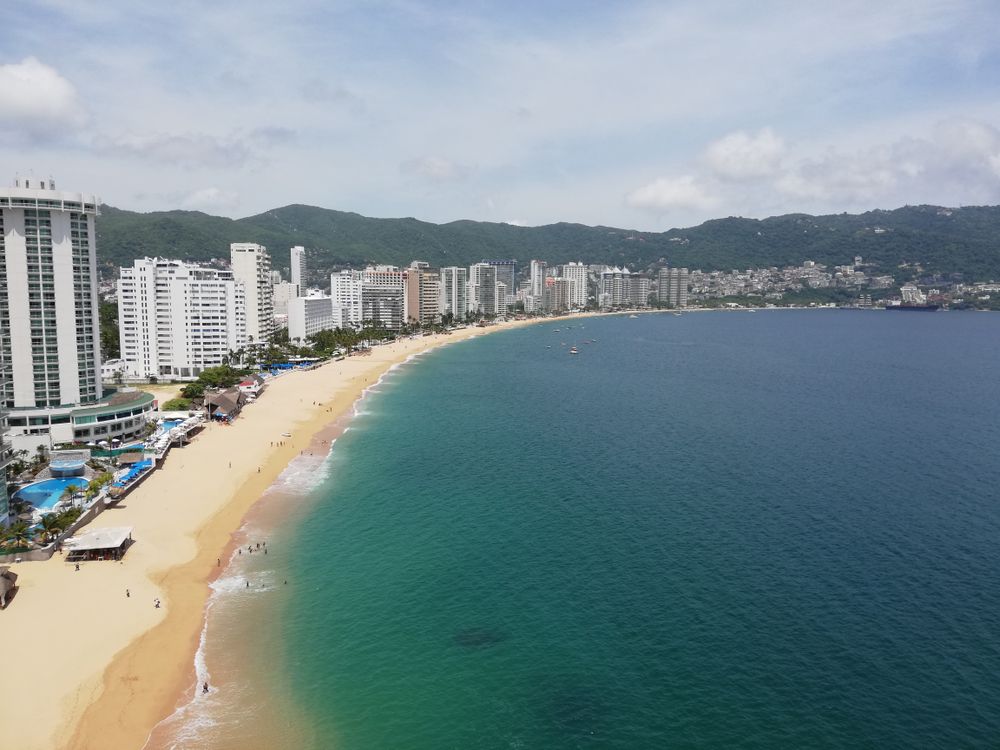
 Tulum vs Acapulco: Why the Caribbean Won
Acapulco was for decades the most glamorous beach resort in Mexico. Tulum is what grew to replace it — but on the opposi
 calendar_today May 6, 2026
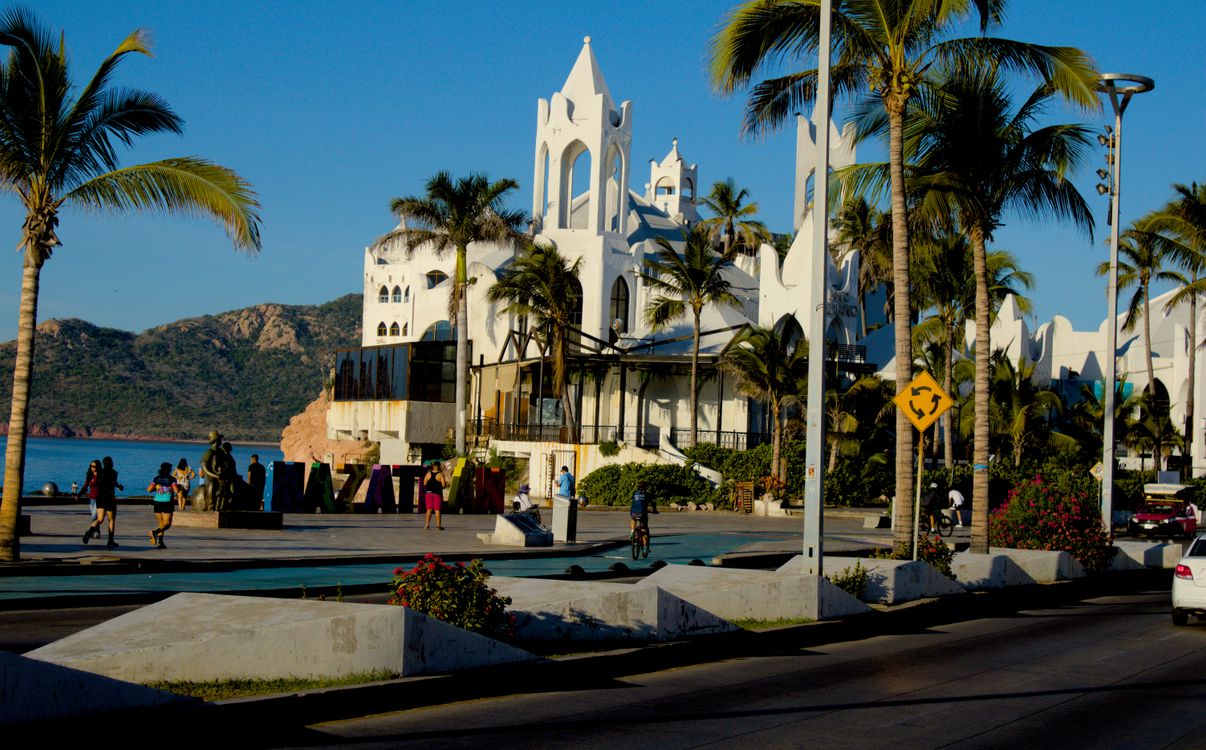
 Tulum vs Mazatlán: Caribbean Jungle Meets Pacific City
Mazatlán and Tulum sit on opposite coasts of Mexico and offer completely different experiences. One has one of Mexico's
 calendar_today May 3, 2026
 Tulum vs Cabo San Lucas: Caribbean Mystique vs Pacific Glamour
One sits on the turquoise Caribbean with ancient Mayan ruins and cenotes. The other commands the Pacific tip of Baja wit