Tulum vs Mazatlán: Caribbean Jungle Meets Pacific City
They are both in Mexico. Both have beaches, sunshine, fresh seafood, and an atmosphere that makes you extend your stay. But Mazatlán and Tulum arrived at their current moment by completely different paths — on different oceans, with different histories — and what they offer is as distinct as their geographies.
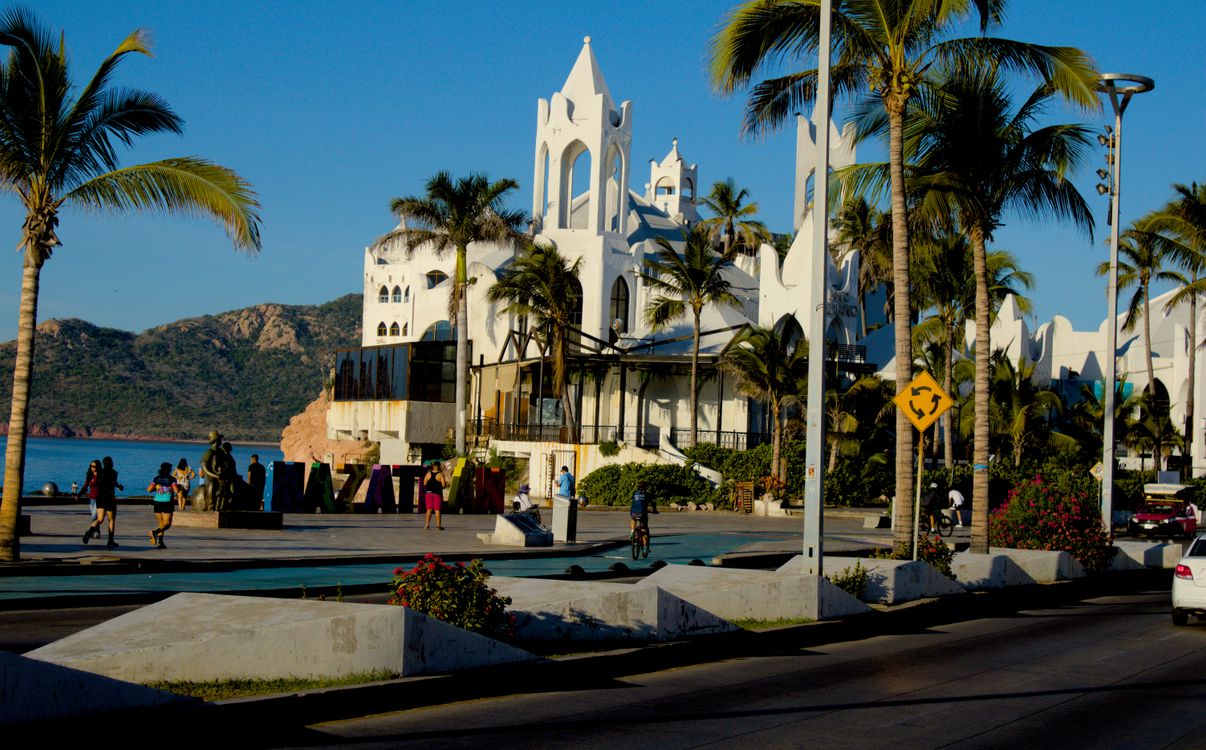
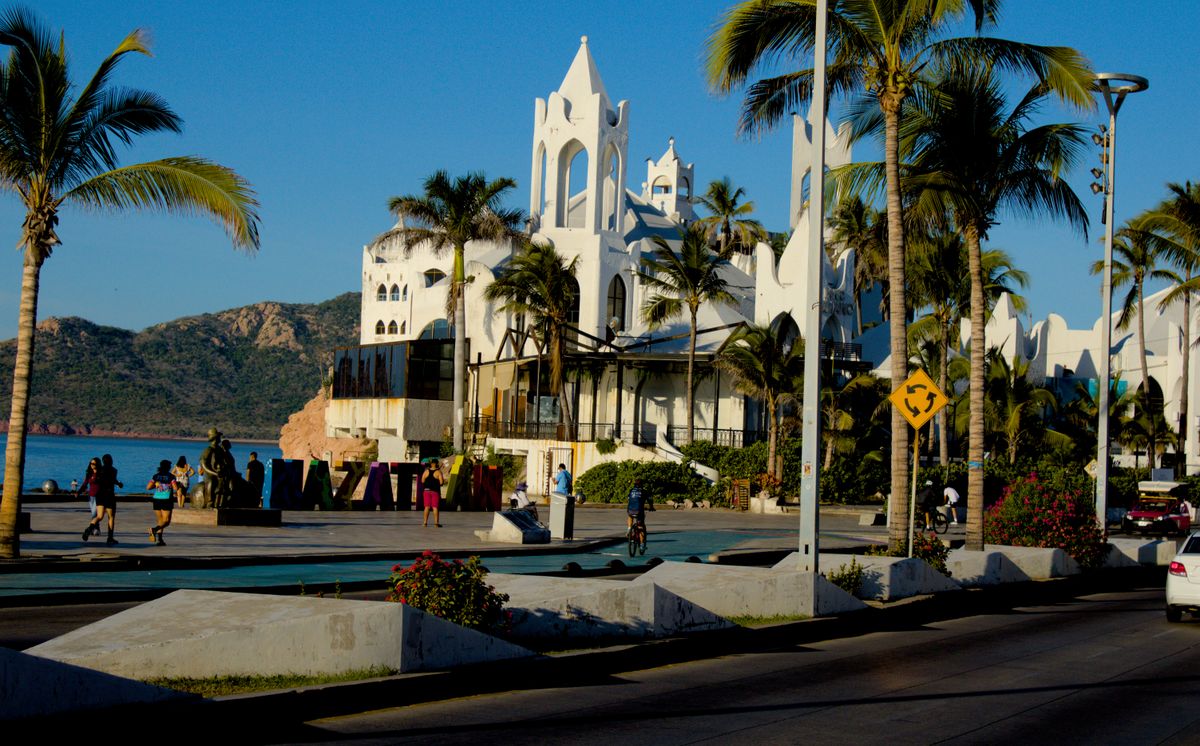
Mazatlán is a city that also has a beach. It sits on the Pacific coast of Sinaloa and has one of Mexico's most remarkable colonial historic centers, the country's longest Malecón, a carnival that rivals the world's best in scale, and a gastronomic tradition — Sinaloan aguachile, northern Pacific-style seafood — with its own cultural identity in Mexican cuisine. Over the past decade it has undergone a genuine revival: the Centro Histórico has been restored with care, boutique hotels have opened inside 19th-century buildings, and travelers who once dismissed it as a cruise port are discovering it as one of Mexico's most livable cities.
Tulum is a beach that also has a town — but on the Caribbean, not the Pacific. Perched on the Riviera Maya in Quintana Roo, roughly 130 kilometers south of Cancún, it has ancient Mayan ruins rising dramatically above turquoise water, a network of extraordinary freshwater cenotes (sinkholes connected to underground rivers), one of the most accessible sections of the Mesoamerican Barrier Reef, the vast Sian Ka'an biosphere reserve to the south, and an eco-chic, wellness-focused vibe that is genuinely earned, not manufactured. Its Caribbean is warm, calm, and extraordinarily clear — nothing like the Pacific.
This comparison won't crown a winner. It will help you understand which of the two fits what you're actually looking for.
Quick Comparison Table
| Aspect | Mazatlán | Tulum |
|---|---|---|
| Coast | Pacific (Sinaloa) | Caribbean (Quintana Roo) |
| Vibe | City with a beach | Eco-jungle meets Caribbean coast |
| History / Archaeology | Impressive colonial Centro Histórico | Ancient Mayan cliff-top ruins |
| Beaches | Long, accessible, urban, dark sand | Turquoise Caribbean, white sand, calm water |
| Unique attraction | 21 km Malecón, world-scale carnival | Cenotes, coral reef snorkelling, Mayan ruins |
| Food | Aguachile, Sinaloan seafood, craft beer | Strong vegan/organic scene, seafood, taco stands |
| Nightlife | World-scale carnival, clubs, Zona Dorada | Bohemian jungle bars, boutique parties, wellness events |
| Nature | Stone Island, El Quelite village, bird islands | Sian Ka'an reserve, cenotes, reef, sea turtles at Akumal |
| Accessibility | International airport, direct US flights | Via Cancún international airport (1.5 hr by road) |
| Price | Affordable, similar range | Wide range — budget to high-end boutique |
| Main visitors | Domestic tourists, cruise passengers, US expats | International travelers, yogis, eco-travelers, couples |

The Vibe: Pacific City vs Caribbean Jungle
This is the most fundamental difference, and everything else flows from it. Mazatlán has 500,000 residents. It has traffic, museums, theaters, live music bars, shopping centers, and an urban life that a small tourist destination simply cannot generate. When you arrive, you enter a city that functions with or without you. That is genuinely a point in its favor if you value urban texture — if you want to wander, get lost, stumble onto something unexpected in a cobblestone street of the Centro Histórico.
Tulum operates on a completely different frequency. Its town center — Tulum Pueblo — is a low-key grid of taco stands, colectivo stops, and local shops. Its hotel zone (Zona Hotelera) stretches along a jungle-backed Caribbean beach where boutique eco-lodges and open-air wellness centers sit behind palm trees and white sand. The two worlds are connected by a five-kilometer road and are more different from each other than many pairs of cities. If you're looking for escape and reconnection with nature, Tulum delivers that naturally — even if it has grown considerably in recent years.
History and Archaeology: A Different Kind of Legacy
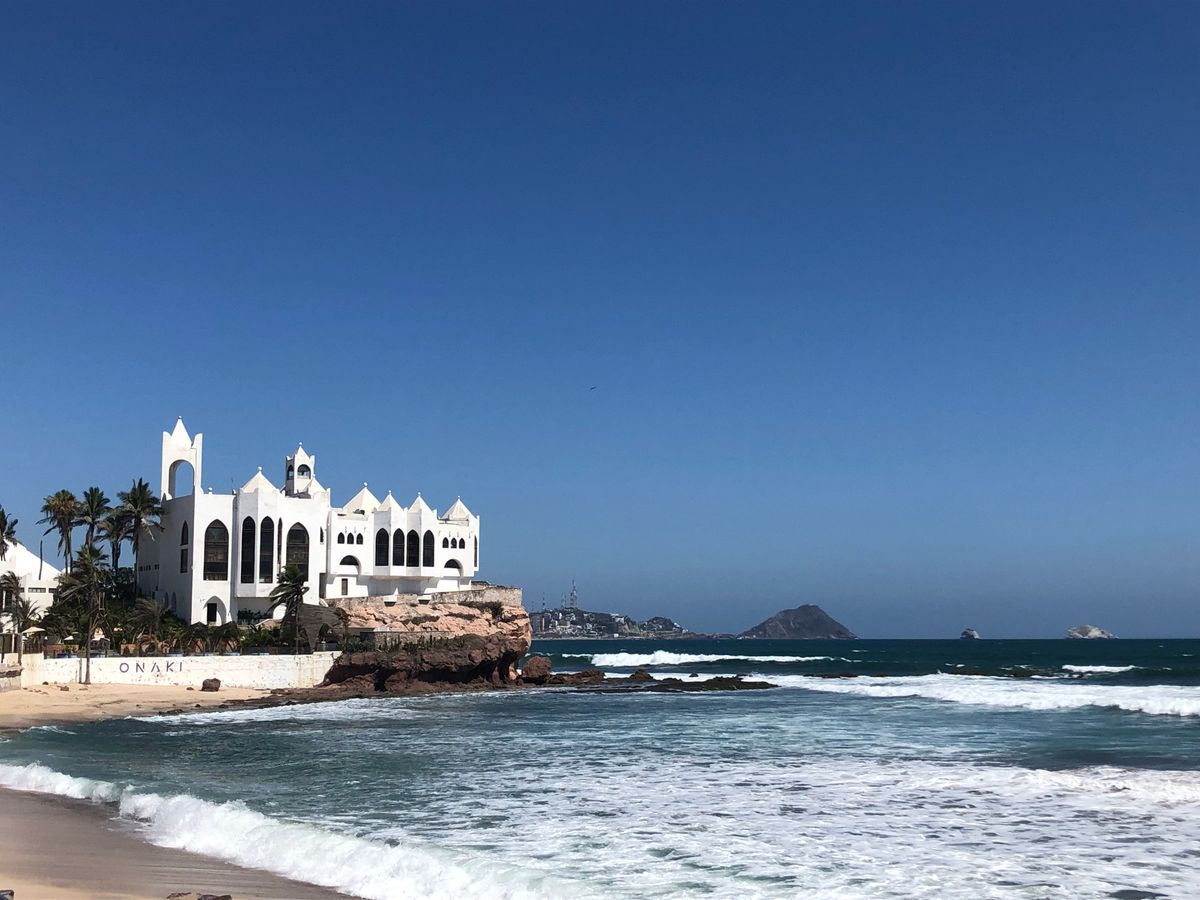
If colonial architecture matters to your trip, Mazatlán wins without debate. Its Centro Histórico is genuinely impressive — one of the most extensive and best-preserved colonial neighborhoods on the Mexican Pacific, with 19th-century mansions carefully restored, the Teatro Ángela Peralta (dating from 1874 and still operating), plazuelas with bougainvillea, contemporary art museums inside historic buildings, and a neighborhood life that does not exist only for tourists. Mazatlán's Malecón stretches 21 kilometers — the longest in Mexico — and connects the Centro Histórico with the Zona Dorada, passing sculptures, viewpoints, and seafront bars.
Tulum offers something entirely different: pre-Columbian history. The Tulum Archaeological Zone — a walled Mayan city perched on 12-meter cliffs directly above the turquoise Caribbean — is one of the most photographed ancient sites in the Americas, and rightly so. The ruins date primarily from the 13th–15th centuries and served as a major trading port. Watching the sunrise from the cliff edge, with the sea glittering below and the ruins catching the early light, is an experience Mazatlán simply cannot offer. For deeper Mayan archaeology, Cobá (45 minutes inland) and Chichén Itzá (2.5 hours) are easy day trips.
Colonial history: Mazatlán. Ancient Mayan heritage: Tulum. Both are genuine — just from very different civilizations and eras.
Beaches: Calm Caribbean vs Open Pacific
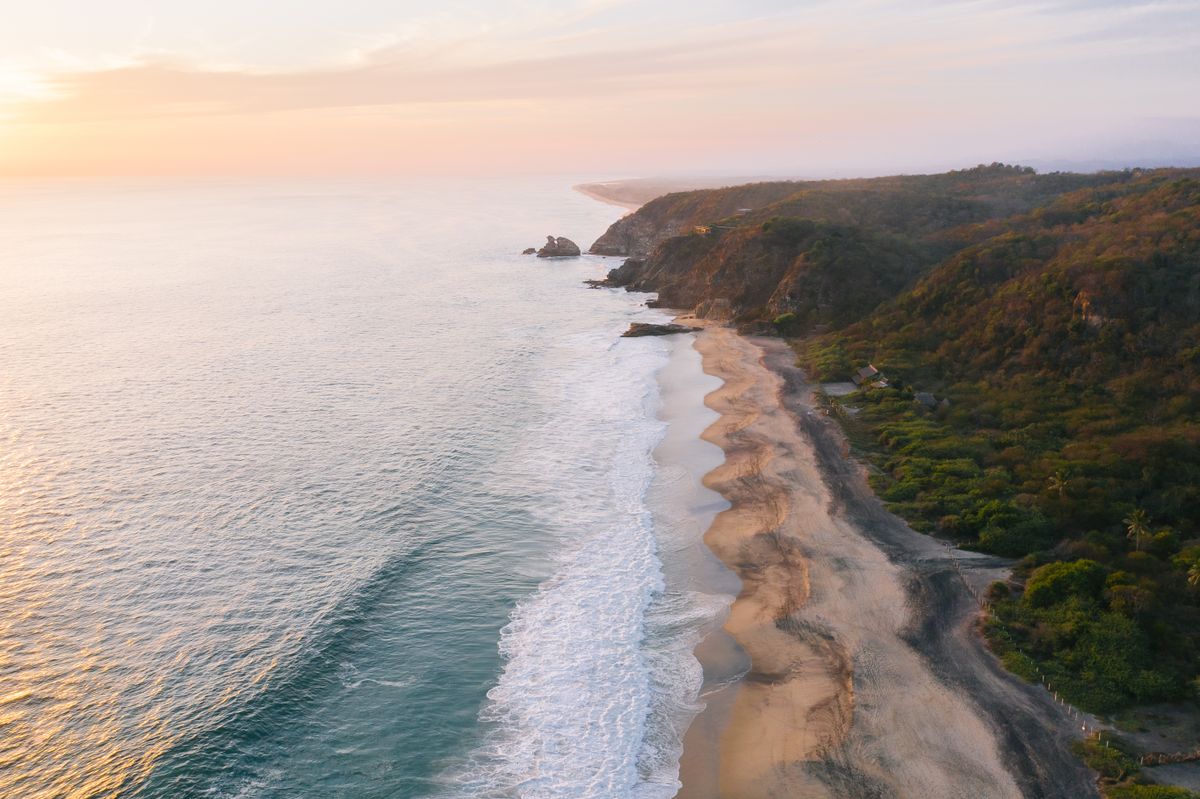
Mazatlán has several urban beaches with dark volcanic sand that are perfectly enjoyable. Playa Norte and Playa Olas Altas are wide, have services, sun loungers, and easy access from the center. Stone Island (Isla de la Piedra), reached by a short boat crossing, offers lighter sand and calmer water — Mazatlán's best-kept secret for repeat visitors.
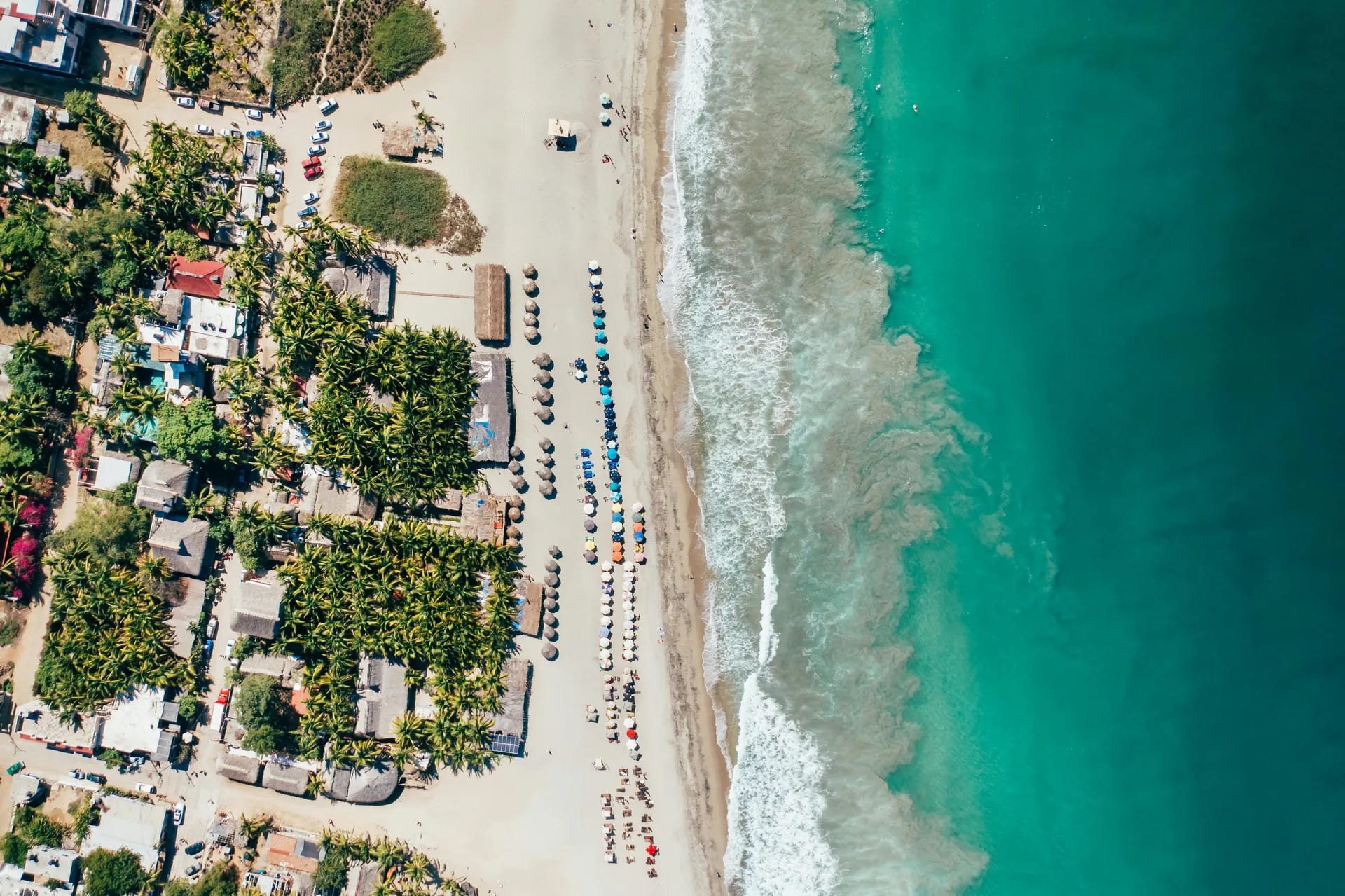
Tulum's beaches are on a different ocean entirely. The Caribbean coast here is warm, calm, and extraordinarily transparent — on a clear day you can see the sandy bottom in water three meters deep. Playa Paraíso, just south of the ruins, consistently ranks among Mexico's most beautiful beaches, with powdery white sand and water in shades that shift from turquoise to deep emerald depending on the hour. The Zona Hotelera beach strip runs for several kilometers, with beach clubs, open-air yoga decks, and hammocks strung between palms. Playa Ruinas — directly below the Mayan site — is more rugged and usually less crowded.
Mazatlán's beaches are better if you want urban integration, services, and a classic Pacific beach experience. Tulum's are better if you want warm, clear, calm Caribbean water backed by jungle — and the Mayan ruins as a backdrop.
Cenotes: Tulum's Unmatchable Advantage
There is nothing comparable to cenotes anywhere near Mazatlán — and cenotes are genuinely one of the world's great natural wonders. The Yucatán Peninsula sits atop a vast limestone shelf riddled with underground rivers and caverns. Where the roof of these caverns has collapsed, freshwater sinkholes of extraordinary clarity have formed — some open to the sky, some partly or entirely underground.
Within a few kilometers of Tulum town, our team recommends these essential stops: Gran Cenote (shallow, crystal-clear, excellent for snorkelling, ancient stalactites visible underwater), Dos Ojos (one of the world's longest underwater cave systems — incredible for certified cave divers and open-water snorkellers alike), Cenote Azul (wide open-air cenote perfect for families, no crowds before 10am), Jardín del Edén (lush vegetation, turtles, warm water), and Casa Cenote (connected to the Caribbean Sea by underground channels — brackish water, mangroves on the edges, wild atmosphere).
A cenote day in Tulum — visiting two or three spots with a rented scooter or bicycle — is one of the most memorable experiences in all of Mexico. It has no equivalent anywhere on the Pacific coast.

Food: Two Equally Strong Traditions
This is a genuine draw, though with very different profiles.
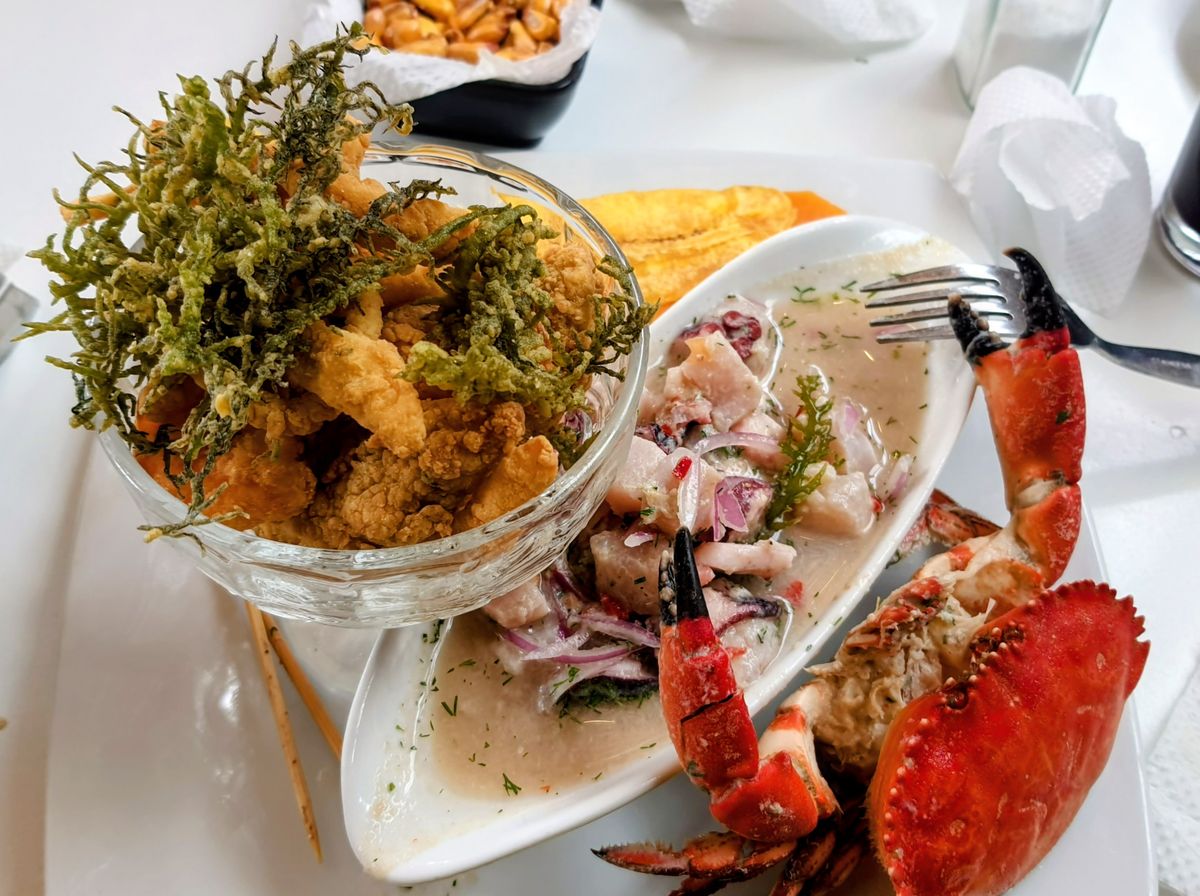
Mazatlán is the capital of aguachile. The Sinaloan green aguachile — raw shrimp marinated in fresh serrano chile, lime, and cucumber — originated in the region and in Mazatlán it is served with a purity and consistency difficult to exceed. Northern Pacific-style seafood — deviled shrimp, Altata oysters, zarandeado-style fish — is equally definitive. There is also a craft brewery scene that has grown considerably in recent years, and the Pino Suárez market is one of Mexico's finest seafood market experiences.
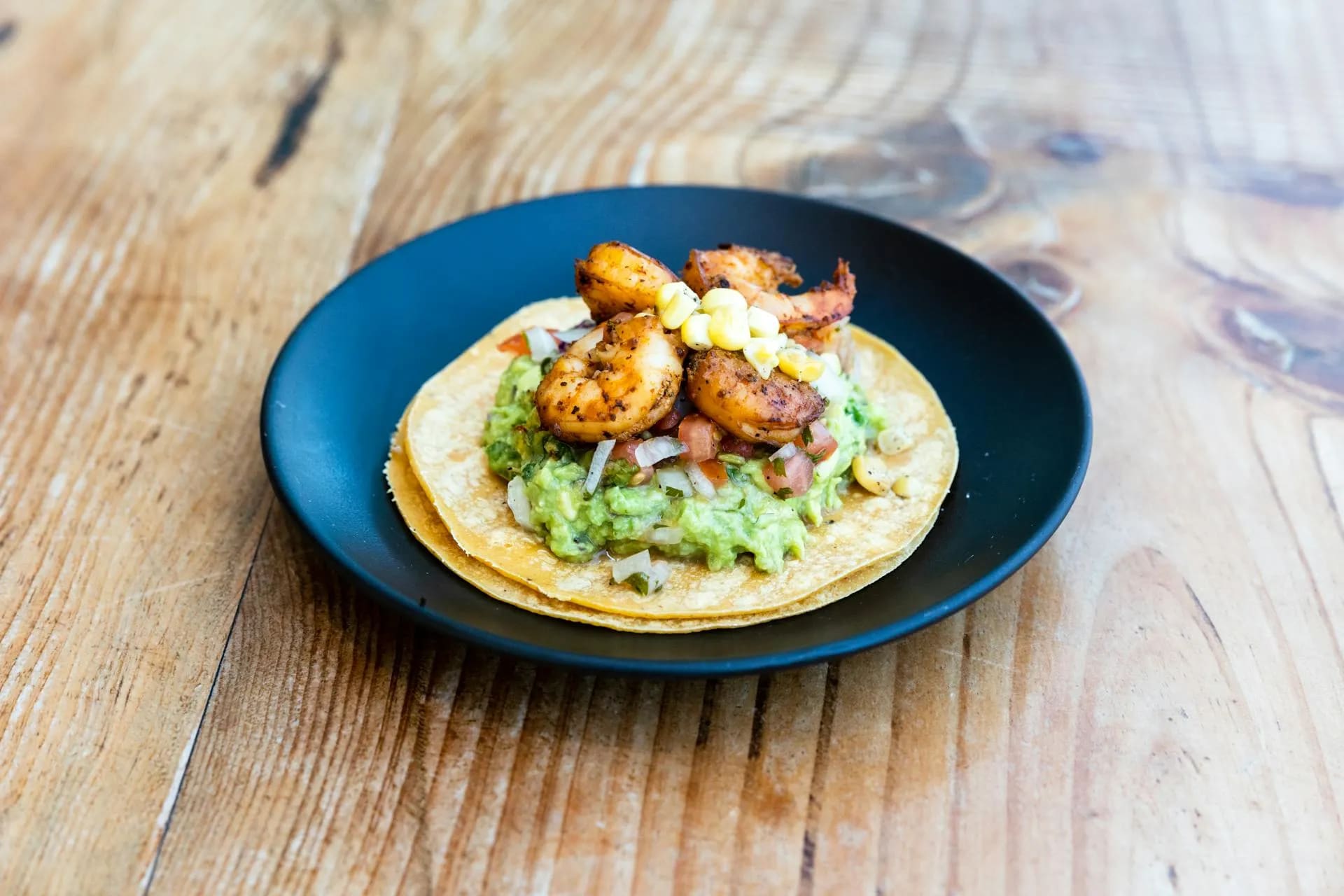
Tulum has carved out a distinctive culinary identity built on two pillars: a remarkably strong vegan and organic scene (driven by the international wellness crowd that has made the town its base), and genuinely excellent fresh seafood. The night market near El Camello in Tulum Pueblo is the best place to eat inexpensively and well — tacos de camarón, ceviches, fish tostadas. In the Zona Hotelera, open-air jungle restaurants serve grilled fish and lobster with their feet practically in the sand. Tulum is also one of Mexico's best towns for plant-based eating — a claim almost no Pacific destination can make.
If food is a deciding factor, the question is whether you prefer northern Pacific Sinaloan tradition or Tulum's unique Caribbean-meets-wellness food culture. Neither will disappoint.
Carnival and Nightlife: Mazatlán Operates at a Different Scale
Mazatlán's carnival is the third largest in the world — behind Rio de Janeiro and Barranquilla. Dating to the late 19th century, it is celebrated with float parades, royal coronations, fireworks, and between 300,000 and 500,000 attendees over several days before Ash Wednesday. If you coincide with those dates (typically February), Mazatlán is a completely transformed city. It is an experience with no equivalent anywhere else on the Mexican Pacific.
Mazatlán's nightlife outside of carnival is also consistent: the Zona Dorada has bars, clubs, and live music restaurants year-round. The historic Olas Altas neighborhood has craft breweries and terraces with a more grown-up atmosphere.
Tulum's nightlife is more curated and more boutique. The Zona Hotelera has open-air beach clubs that host DJ sets and live music — several have become internationally known. Tulum Pueblo has a more local scene: mezcal bars, late-night taco stands, and neighborhood terraces. It is not Mazatlán in scale. But if you want a candlelit dinner in a jungle clearing followed by a beach bonfire with travellers from a dozen countries, Tulum has that quality that is very hard to manufacture.
Nature and Wildlife: Tulum Wins
Mazatlán has genuine natural attractions — Stone Island, the bird islands visible from the malecón, the village of El Quelite a half-hour drive away (one of Sinaloa's best-preserved Pueblos Mágicos) — but it does not compete with the density of natural experiences concentrated around Tulum within a small radius.
In and around Tulum: the Sian Ka'an UNESCO biosphere reserve (ancient Mayan canals, mangrove lagoons, manatees, crocodiles, and hundreds of bird species — one of the largest protected areas in Mexico), the Mesoamerican Barrier Reef for snorkelling and diving, sea turtles in the water year-round at Akumal (30 minutes north — wild turtles feeding on sea grass, not a staged encounter), the humpback whale watching tours available from November to March departing from Cancún and Isla Mujeres, and the cenote network described above. Nature here is not an add-on — it is the destination's reason for being.
If nature and marine wildlife are priorities, Tulum wins clearly.
Accessibility: Mazatlán Is Direct, Tulum Is Easier Than You Think
Mazatlán's international airport receives direct flights from several US cities (Phoenix, Los Angeles, Houston, Denver among others) and from Mexico City, Guadalajara, Monterrey, and Tijuana without connections. For North American travelers or Mexicans traveling from the north of the country, Mazatlán is considerably more straightforward to reach.
Tulum's situation has improved substantially. Cancún International Airport — the third-busiest in Mexico — is 130 kilometers north and receives direct flights from across North America, Europe, and Latin America. From Cancún airport, Tulum is reachable by ADO bus (comfortable, air-conditioned, roughly 2.5 hours), shared colectivo van on Highway 307 (faster and cheaper), or taxi and rental car. The Tulum area also now has its own airport (Aeropuerto Internacional de Tulum), with service expanding from major Mexican cities. Read our guide to getting to Tulum for current options.

Price: Both Are Accessible, Tulum Has More Range
Both destinations are relatively accessible by international tourism standards. A mid-budget traveler can navigate either comfortably on $50–100 USD per day (basic-mid accommodation, meals at local restaurants, transport). Real price differences between the two are marginal at the middle level.
Tulum has more pronounced range at the top end — some of the Zona Hotelera's boutique eco-lodges are genuinely expensive — but Tulum Pueblo offers excellent budget value: cheap colectivos, taco stands with meals under 80 pesos, and hostels and guesthouses at backpacker prices. If you stay in the Pueblo and visit the beach by bicycle, Tulum can be done on a shoestring.
See our Tulum budget guide for specific options with prices.
Who Should Choose Each?
Choose Mazatlán if:
- Colonial architecture and urban history are part of what you seek in a trip.
- You're traveling from northern Mexico or the US and ease of direct access matters.
- You want carnival or a destination with consistent, city-scale nightlife year-round.
- You prefer a city that works around you — services, urban variety, a city's pace.
- Sinaloan cuisine (aguachile, northern Pacific-style seafood) specifically appeals.
Choose Tulum if:
- Cenotes, snorkelling, and Caribbean reefs are a central part of your trip.
- Ancient Mayan ruins and pre-Columbian history draw you.
- Nature (Sian Ka'an reserve, sea turtles, whale watching tours) is a priority.
- You want more of an escape than a city — Caribbean beach, eco-chic setting, interesting international crowd.
- Yoga, wellness, and organic food are part of how you travel.
- You're flying into Cancún and want to explore the Riviera Maya corridor.
And if you genuinely cannot choose: the two destinations can be combined in a two-week trip. Mazatlán and Cancún (gateway to Tulum) both have strong international flight connections, and a week in each gives you two completely different Mexicos — one colonial and Pacific, one ancient and Caribbean. Seeing them together makes each one easier to understand.
To plan the Tulum portion: the 4-day Tulum itinerary is the most useful starting point.
auto_awesome Continue exploring Tulum
You Might Also Like
 calendar_today Apr 29, 2026
 Tulum vs Cancun: The Honest Comparison
Two completely different Mexican beach destinations. One wins on accessibility, all-inclusives, and nightlife. The other
 calendar_today May 9, 2026
 Tulum vs Acapulco: Why the Caribbean Won
Acapulco was for decades the most glamorous beach resort in Mexico. Tulum is what grew to replace it — but on the opposi
 calendar_today May 3, 2026
 Tulum vs Cabo San Lucas: Caribbean Mystique vs Pacific Glamour
One sits on the turquoise Caribbean with ancient Mayan ruins and cenotes. The other commands the Pacific tip of Baja wit